The 1968 papal encyclical Humanae Vitae was “a prophetic document” which predicted the catastrophic 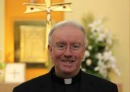 consequences for society of the sexual revolution, the Bishop of Portsmouth, Philip Egan (pictured), has said.
Humane Vitae reiterated the Catholic Church’s traditional teaching on sexual morality and artificial contraception.
In a pastoral letter [1] issued for the Feast of the Holy Family, Bishop Egan said that the encyclical’s author, Pope Paul VI “repeated the traditional teaching of the Church, based on the natural law and confirmed by revelation, that sexual intercourse is an integral act for love and for life”
These two aspects of sexuality, Bishop Egan said “cannot be divorced”.
He added: “Humanae Vitae was a prophetic document. Pope Paul spoke of catastrophic consequences for society and culture if these two ends of marriage were split.
“Forty five years on, we can see what he meant in such things as the reduction of sex to a leisure activity, the trafficking of people for prostitution and pornography, broken family relationships, and the explosion of addictive behaviours leading to despair, shame and guilt.”
He said that Catholics “believe that the purpose of sexual intercourse is to express the love between a man and a woman, a love which, within the permanent commitment of marriage, is open to being fruitful to life”.
“This is the way to lasting happiness and fulfilment, even if to become chaste – that is, to develop a mature and fully integrated sexuality, as a single person or a married couple – involves a life-long struggle and ‘apprenticeship in self-mastery’,” he added.
Bishop Egan said that the teaching of Humanae Vitae about sexual morality and family values had “become something of an ‘elephant in the room’ that no-one seems to mention”.
He invited “all families, whatever their form or circumstances, to think about developing a deeper and richer Catholic ethos in the home, so as to give a clearer witness to contemporary culture”.