A Department of Education survey on school patronage in 38 areas has revealed only a “limited request for 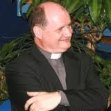 change”, the Council of Education of the Catholic bishops has said.
Education Minister Ruairi Quinn has said that the survey showed “sufficient demand for change” and the Department has recommended that schools be transferred to new patrons from the Catholic Church in 23 separate areas.
This would amount to 23 schools out of 306 in the 38 locations.
However, in a statement, the bishops said that the results of the survey suggested limited parental demand for new school patrons.
It pointed out that, in the 23 areas where the report said there was sufficient demand for change only between 2.2pc and eight percent of parents with children in school in these areas expressed an opinion in favour of change.
In the remaining 15 locations demand for a change of patrons in any of the schools was too small to warrant a change.
The statement said: “In seeking to respond to this limited request for change, attention must be given to the large majority who have expressed no such interest.
“All of the stakeholders need to analyse the data in detail. An issue that will arise in many of these 23 areas is the level of displacement caused by trying to cater for the views of a minority who want change.”
It added that, while the survey accurately reflected the views of those who participated, “a large majority of parents did not take part in the surveys”.
Fr Michael Drumm (pictured), chair of the Catholic Schools Partnership suggested that participation rates for the survey within each area varied between only 13pc to a little over a quarter.
He advised against drawing conclusions and said there was a need for much closer analysis of the figures and consultation with communities on the ground
For example, Fr Drumm said in Ballina, where the department is recommending an Educate Together school, parents of only 2.2pc of existing primary pupils expressed a preference for an English-language multi-denominational school.
Only 105 parents in Ballina said they would avail of a school with a different patron.
Fr Drumm warned the proposals could involve much greater displacement for pupils in an existing school than those the department is seeking to accommodate.
In other areas, the survey showed similarly low levels of demand. For example, in Ballinasloe, only 63 parents indicated they would take up the option of sending their children to a school with an alternative patron.
In Buncrana, 78 parents said they would avail of a wider choice of school patronage, while in Carrick-on-Suir, 84 parents said they would choose to send their children to an alternative school.
Mr Quinn said: “Almost two thirds of the areas surveyed as part of this process, including the pilot phase, have shown sufficient parental demand for a wider choice of school patron. We cannot ignore this call for change.”
He said that the Department would now contact the Catholic patron in each of the areas identified to request that they now consider options for reconfiguring schools under their management in order to allow the transfer of a school to a new patron.”
The surveys were undertaken for four weeks from the 14th of January. Parents of 0-12 year olds in each area were invited to participate.
The towns were chosen as they had a relatively stable population of between 5,000 and 20,000 and therefore little prospect of any new schools opening in coming years to cater for demographic demand.