

An explosive claim that the dates and times of abortion appointments at a Limerick hospital were leaked to pro-life activists so that protests could be timed to harass women, has been falsified by evidence from a freedom of information request, according to Gript media.
The released documents list every date on which an abortion was carried out in University Maternity Hospital Limerick [UMHL]. These were compared with a regularly scheduled prayer vigil consisting of a small number of women walking on the public streets outside UMHL in quiet prayer.
Rather than being held only on days in which abortions were carried out, there were only two instances between June of 2021 and April of 2022 in which the prayer vigil coincidentally occurred on the same day as an abortion.
Commenting on the investigation, Gary Kavanagh of Gript said :“So we have a group who have been meeting on the same day since September of last year, who have held multiple vigils which did not coincide with abortions, and who then had two of their vigils coincide with abortions due to the actions of UMHL, and this was presented as the group being leaked private medical information by sources within the hospital, an immensely serious charge which led to negative attention both for the prayer vigil and the hospital. And we now know that it all seems to have been entirely accidental and that the claims of the deliberate leaking of medical information to a pro-life group are baseless”.
Revealed: The abortion falsehood repeated again and again in the Dail
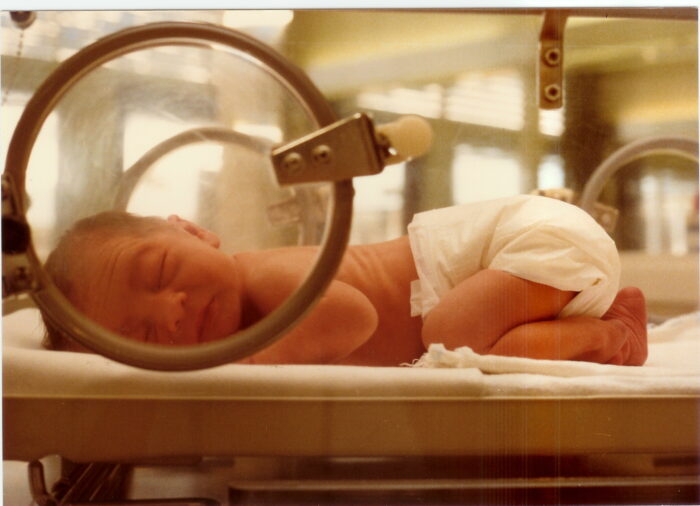
The relocation of the National Maternity Hospital (NMH) from Holles St in Dublin to St Vincent’s has been approved by Cabinet.
A memo was added to the agreement that the term ‘clinically appropriate’ allows the new hospital to provide all legally permissible procedures in the areas of maternity, including abortion and ‘gender recognition’ surgery.
Meanwhile, the presence of Christian symbols in St Vincent’s private hospital has been attacked.
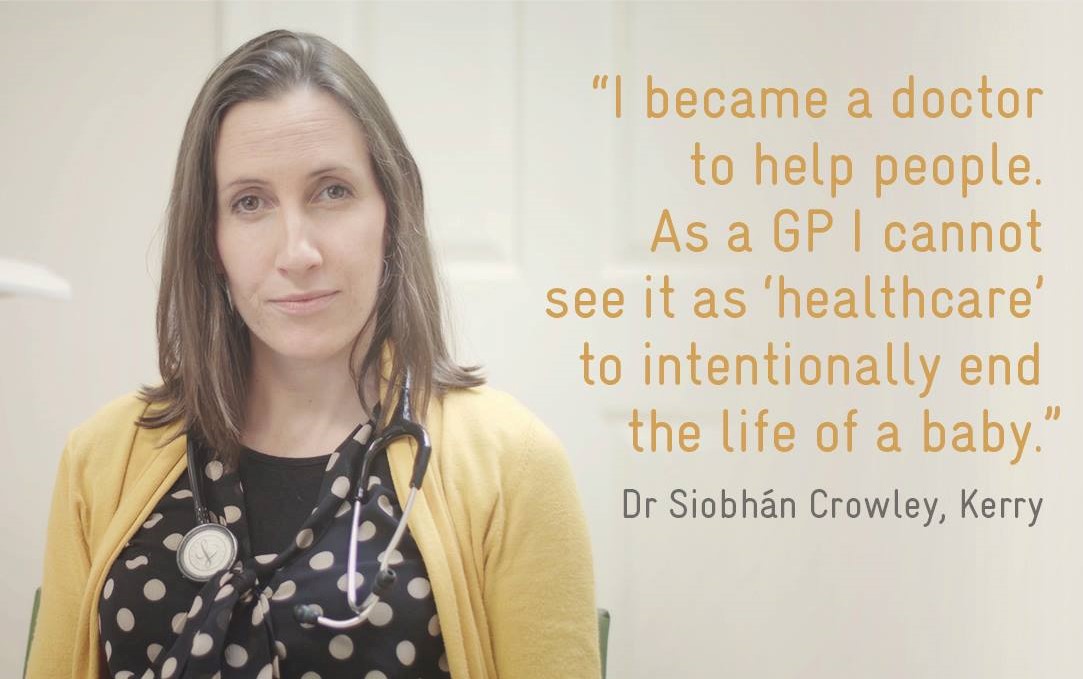
The Pro-life Campaign has expressed alarm over calls for doctors conscientiously objecting to abortion to be monitored by the State.
The calls have come from the state-funded National Women’s Council (NWCI).
The PLC has said said the NWCI “are pressing hard for the Government to start ‘monitoring’ pro-life doctors to make sure they’re helping facilitate abortions”.
Calling the move “a truly terrifying development”, the PLC said the pro-choice lobby group had “raised the issue in media interviews and at a recent meeting of the Oireachtas Health Committee”.
In an op-ed in the Irish Examiner, Orla O’Connor, Director of the National Women’s Council, wrote that “with just one 1 in 10 GPs providing abortions and only half of maternity hospitals providing the service in line with the law, access continues to be a major issue”.
She continued: “We urgently need better data collection and careful monitoring of conscience-based refusal of abortion, as well as Safe Access Zones to ensure all those providing and receiving care can do so in dignity, without fear of harassment or abuse”.
The vital contribution that families make to building strong communities was remembered on Sunday’s International Day of Families.
The Federation of Catholic Family Associations said the day was “a special occasion to say thank you to our families, to all its members”.
FAFCE President, Vincenzo Bassi added: “It is a precious moment to highlight the hidden and priceless work of many fathers and mothers and the contribution of our families and family networks to the social cohesion of our communities. Public policies should recognise that”.
He said it is crucial to recall in these terrible times of war in our continent that “to work for the family is to work for peace and reiterates its commitment to be a tool of peace”.
Looking ahead to the thirtieth anniversary of the International Year of the Family, 2024 (IYF+30), he said the focus on selected megatrends, including technological change, migration, urbanisation, demographic and climate change, “aims to facilitate the analysis of their impacts on family life and to recommend responsive family-oriented policies in order to harness the positive aspects of those trends and counteract their negative facets”.

One of Asia’s top Catholic cardinals said the arrest of Cardinal Joseph Zen highlights “the situation for human rights and threats to religious freedom in Hong Kong.”
Myanmar Cardinal Charles Bo issued after the Hong Kong authorities arrested Zen and accused him of violating the territory’s draconian security law, which was imposed on the former British colony by Beijing in 2020, after a series of pro-democracy protests in the territory. The cardinal has participated in a fund that is raising money for the defense of those accused under the security law.
Zen was released on bail the same day as his arrest after hours of questioning by police.
“Hong Kong used to be one of Asia’s freest and most open cities. Today, it has been transformed into a police state,” the Myanmar cardinal said.
“Freedom of expression, freedom of the press, freedom of assembly and association, and academic freedom have all been dismantled. There are early signs that freedom of religion or belief, a human right set out in Article 18 of the Universal Declaration of Human Rights and the International Covenant on Civil and Political Rights, to which Hong Kong is a party, is threatened,” Bo continued.
The cardinal’s statement is one of the strongest to appear after Zen’s arrest, with the official Vatican statement only noting “concern” over the arrest, and that the Holy See was “following the development of the situation very closely.”
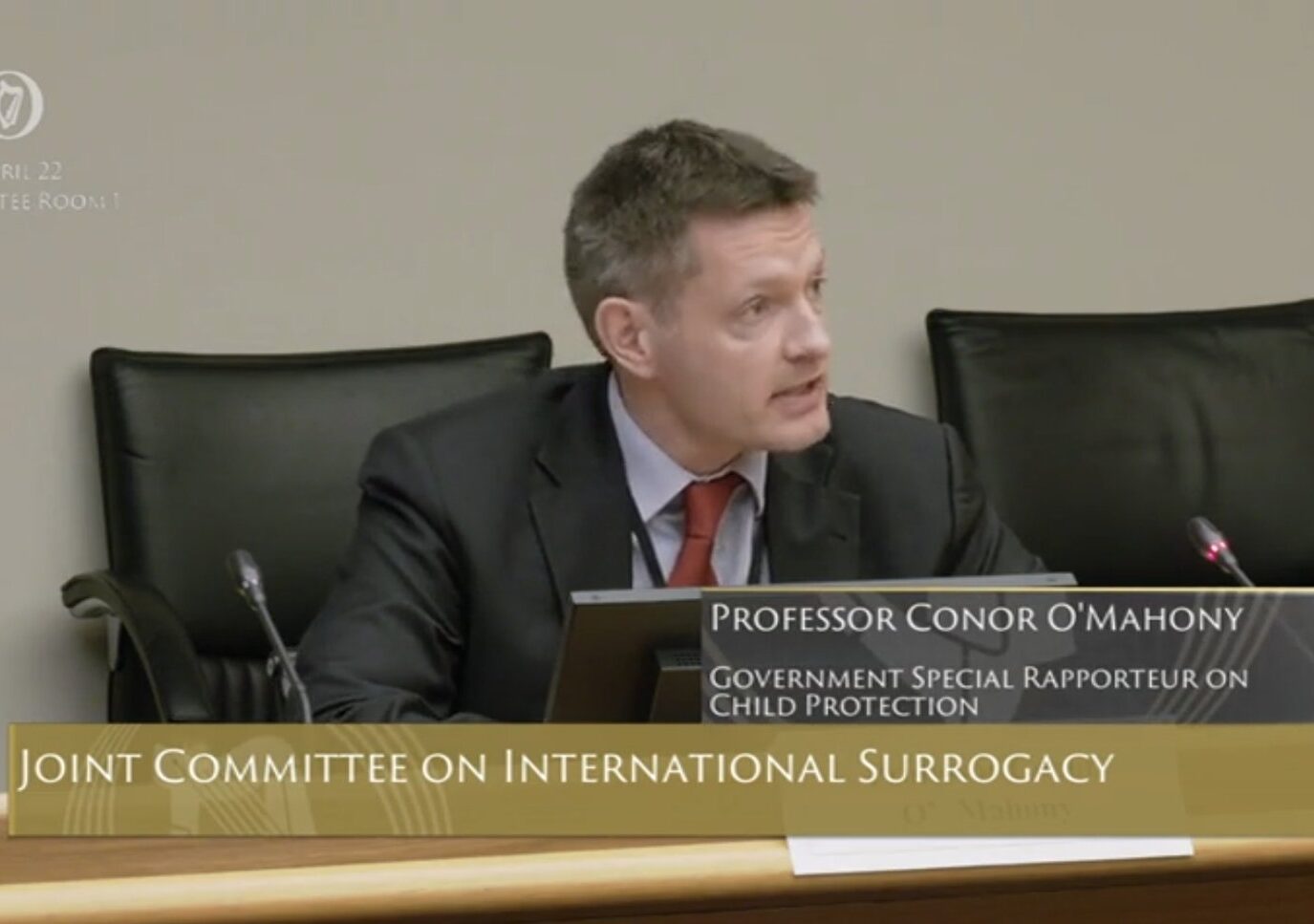
The three-month timeline for the Oireachtas Committee on International Surrogacy to consider and make recommendations on the matter is too short, Government Special Rapporteur on Child Protection Prof Conor O’Mahony has said.
The target of completing work by the committee on the relevant Assisted Human Reproduction Bill, leading to legislation on surrogacy, was “very, very tight and is, in some senses, arbitrary”, Prof O’Mahony said.
“Whatever we enact is going to regulate surrogacy in Ireland for a generation,” he said, “so I would be of the view that it would be much better for it to take another six months, or 12 months if necessary, to get it right.”
He “would rather see this Bill coming back around next year than being enacted in its current form”.

Many Americans, especially those who are highly religious Christians, express discomfort with techniques that in some cases blend the human body with machine-enhancements like brain chip implants, according to a Pew Research Center report.
Among U.S. adults with a high level of religious commitment, 81% say that the widespread use of computer chip brain implants for faster and more accurate information processing would be “meddling with nature and crosses a line we should not cross.” In contrast, Americans with a low level of religious commitment are evenly divided on this question: 50% say that brain chip implants cross a line that should not be crossed, and 49% more closely identify with the notion that “we are always trying to better ourselves and this idea is no different.”
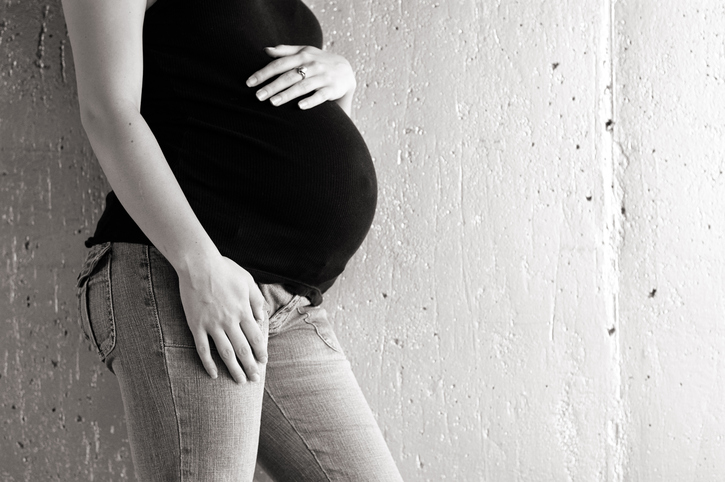
Spain is finalising the details of a draft law that would guarantee the right to seek an abortion in the country’s free public healthcare system and scrap the requirement for 16-year-olds and above to obtain parental consent.
This follows a move last month to criminalise anyone trying “to impede (a woman) from exercising her right to abortion” through “bothersome, offensive, intimidating or threatening acts”.
Sources from Spain’s Equality Ministry confirmed last week that the draft legislation was in its final stages. Media outlet Cadena SER said it would be submitted for cabinet approval tomorrow.
While the final details of the proposed law are not clear, one of the radical shifts is the scrapping of parental permission for 16 and 17-year-olds, a measure that was introduced by the former conservative government in 2015.
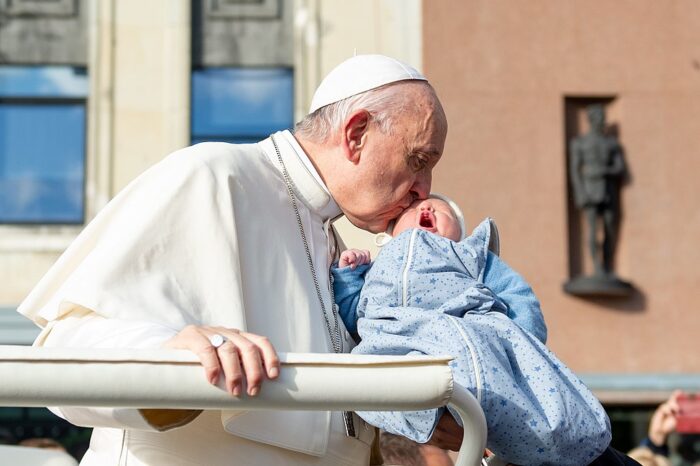
The steady decline of birthrates across Europe and the West are signs of a new form of poverty that deprives humanity of a future, Pope Francis said. Births all across Europe, including Ireland, are well below replacement level.
Families unable to have children and young people who struggle with having a family due to economic hardship or the allure of “mediocre substitutes” risk turning the “beauty of a family full of children” into a “utopia, a dream that is difficult to fulfill,” the pope said in a message to participants of a conference on low birthrates in Italy.
“This is a new poverty that scares me,” he said. “It is the generative poverty of those who discount the desire for happiness in their hearts, of those who resign themselves to watering down their greatest aspirations, of those who are content with little and stop hoping for something great.”
According to the national statistics agency, ISTAT, Italy’s birthrate hit an all-time low with 399,431 births in 2021 compared to 404,892 in 2020. Italy, Malta, Spain, Greece and Luxembourg have the lowest fertility rates in Europe.
The 90-year-old former Catholic bishop of Hong Kong is believed to have been detained in his role as a trustee of the 612 Humanitarian Relief Fund, which helped pro-democracy protesters to pay their legal fees.
Zen, who stood down as Hong Kong’s Catholic bishop in 2009, is a supporter of the pro-democracy movement in the territory.
In 2020, a sweeping National Security Law came into force, criminalising previously protected civil liberties under the headings of “sedition“ and “foreign collusion.”
Before the law’s implementation, many Catholics, including Zen, warned that it could be used to silence the Church in Hong Kong.
Soon after the news broke, Matteo Bruni, spokesman for the Vatican, said that “the Holy See has learned with concern the news of Cardinal Zen’s arrest and is following the development of the situation with extreme attention.”
The U.S. State Department condemned the arrest as the latest example that the city’s authorities “will pursue all means necessary to stifle dissent and undercut protected rights and freedoms.”