
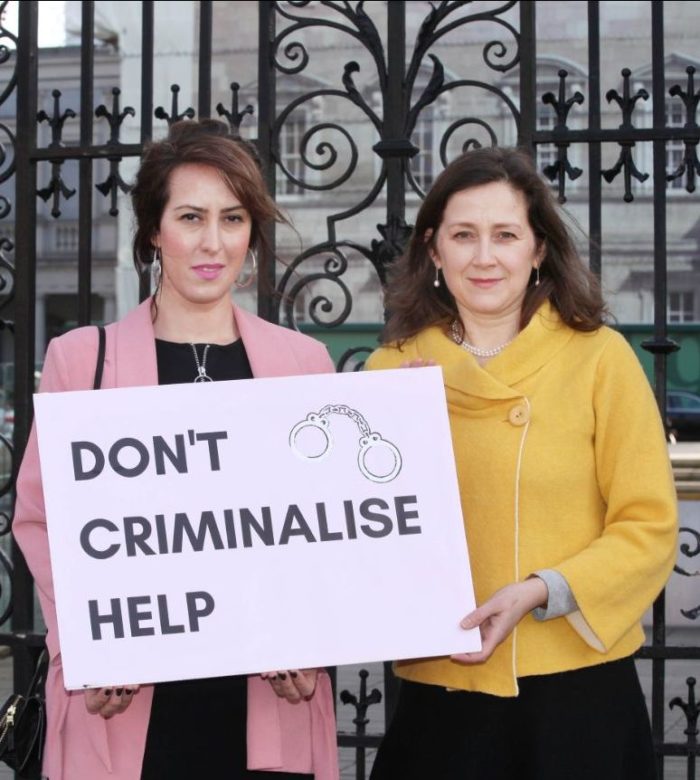
Legislation to provide access “without harassment” to hospitals providing abortions has been introduced by Sinn Féin Senator Paul Gavan as the Government confirmed it is also drafting a Bill.
No country in Europe has a national law banning the practice.
Mr Gavan told the Seanad, without evidence, that daily protests being held outside hospitals across the State are attempting to “intimidate and cause upset” to those seeking abortions.
“They are invading the privacy and bodily autonomy of women and pregnant people at a profoundly vulnerable and sensitive time. People should not have to access healthcare like this,” he said, adding that people had “fundamental rights to privacy and dignity, especially so when they are visiting a hospital”.
Protesters who demonstrate outside pregnancy or contraception services or who harass, intimidate or record women within the buffer zone would face fines of up to €3,000 or imprisonment for up to six months. Under the legislation it would also be illegal to seek to influence a person’s decision to access an abortion or hold signs within the exclusion zone.
When legislation was introduced to provide for abortion in the wake of the 2018 referendum on the Eighth Amendment, a separate Bill was promised to prevent anti-abortion groups from going within a certain distance of hospitals.
Opposition TDs and campaigners are calling on Minister for Health, Stephen Donnelly to outlaw pro-life adverts outside GP practices and hospitals as part of abortion-exclusion zones legislation.
It comes as The Life Institute and The Iona Institute launched a billboard campaign in Dublin, Cork, Galway and other parts of the country marking the “disturbing rise in the number of abortions”.
Social Democrat TD Holly Cairns said the current billboard campaign contains “misleading” information, but said that “there is nothing at the moment to stop groups putting these adverts up where they like”.
She accused pro-life campaigners of “targeting” hospitals and GP clinics where women go for treatment, calling it “a deliberate tactic”.
“We have seen it with those grotesque physical protests that happen outside hospitals and we have been waiting for legislation to create safe zones outside hospitals since 2018.”
“That safe zone legislation could also include billboards like this,” she said.

The government will only legislate for domestic surrogacy in the forthcoming assisted human reproduction bill and will not deal with international surrogacy until a later date, the Sunday Business Post has reported.
The new bill will create a regulatory framework around surrogacy and many aspects of assisted reproduction for the first time, however, provisions for international surrogacy services has now been delayed due to legal difficulties.
The Ministers for Justice, Health and Children, and the Attorney General have had meetings on the matter and drawn up an “options paper”, but they are struggling to overcome balancing the rights of children and of parents who avail of services in completely different jurisdictions.
There are also concerns about the potential for surrogates to be exploited in other countries.
Two out of three Irish voters are in favour of legalising assisted suicide for people with terminal illnesses, according to a new Behaviour & Attitudes poll for The Sunday Times.
Following the collapse of proposed legislation in the Dail earlier this year, seven out of ten people (71 per cent) said they would be opposed to the state prosecuting someone for helping a terminally ill person to end their life, while just 12 per cent said they would support a prosecution and the rest did not express an opinion.
Sixty-eight per cent of those interviewed said they would support legislation that would enable people with terminal illnesses to commit suicide in certain circumstances, to avoid pain or suffering, while one in five were opposed to this and the remaining 12 per cent had no opinion.
Support for assisted suicide was highest among those under the age of 35, with 79 per cent in favour. It was more than 20 percentage points lower among older voters, those aged 55 or over.
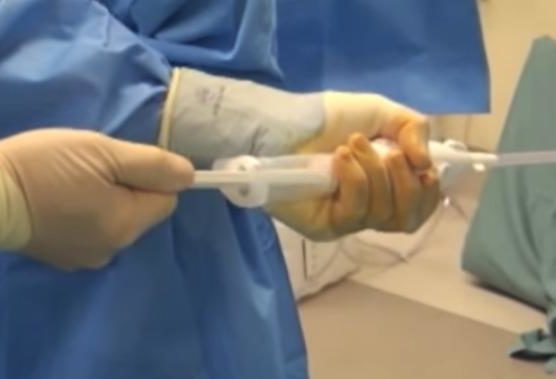
It was mentioned in a UCD study published earlier in the year that doctors were receiving training in how to perform D&E abortions but the admission that these abortions are actually being performed came this week in reply to a Parliamentary Question from Galway East TD Seán Canney.
Before the 2018 abortion referendum, senior politicians promised voters that D&E abortions would never happen if the Eighth Amendment was repealed.
Included in this week’s confirmation from the HSE that D&E abortions are being carried out in Ireland was a reference to the fact that it’s the IOG who are overseeing the training of doctors in how to carry out these types of abortions.
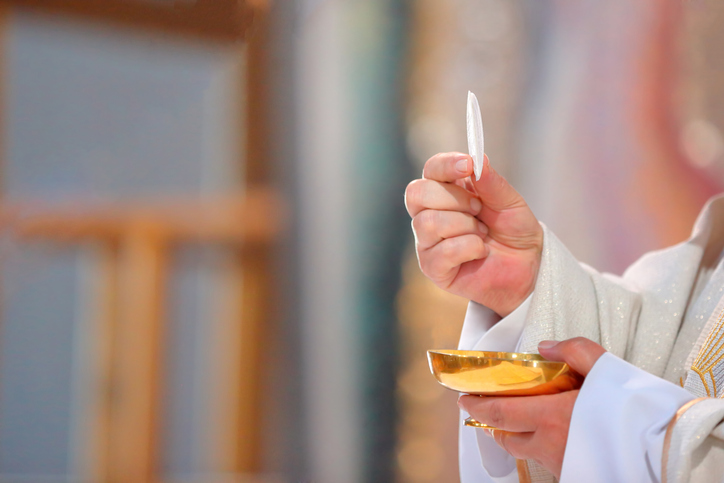
A Catholic priest was prevented from giving Conservative MP Sir David Amess the last rites as he lay dying in his Essex constituency because police refused him entry to the crime scene.
Father Jeffrey Woolnough arrived at the police cordon stretching across tree-lined Eastwood Road North in Leigh-on-Sea, offering to administer the Last Rites to the devout Catholic, 69, on Friday afternoon after he was stabbed multiple times by a suspected terrorist.
But police officers said “that because it was a crime scene, and also the nature of the scene, it just wasn’t possible.”
He later clarified on social media that he respected the Police’s decision and he instead prayed a rosary for the dying man from outside the police cordon.
A law that would make assisted suicide legal for terminally-ill people in Scotland is a “danger” to the disabled, according to the first Member of the Scottish Parliament to use a wheelchair full-time.
Pam Duncan-Glancy, who represents Glasgow for Labour, raised concerns over the definition of “terminally ill” in new proposals.
She told the BBC’s Debate Night programme: “You start to question what’s terminally ill. How long do you need to be terminally ill? How terminal does it need to be to be ill? You’re looking at a backdrop of a situation in society where disabled people are so far from any kind of equality whatsoever, that there is no safeguard I believe that can be put in any bill.” She added: “I have said this [bill] is a danger.”
A nationwide pro-life billboard campaign has been launched to ask people to rethink our abortion law as the legislation is subjected to the first review since its introduction in January 2019.
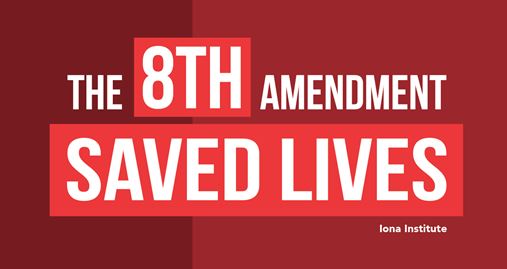
“We’re bringing public attention to the disturbing rise in the number of abortions – 13,243 in just two years, despite assurances from Leo Varadkar that it would be ‘rare'”, the Life Institute said. The billboards from the Iona Institute say: “The 8th amendment saved lives”.
The Life Institute billboards are central to a campaign urging both TDs and the public to examine the surge in abortion and the other negative outcomes that have accompanied the new regime.
Pro-life groups say the review of the 2018 legislation is in danger of being a “whitewash designed to ignore the reality of abortion which would be disturbing to many – including many Yes voters.”
The billboards are running in Dublin, Cork, Galway and elsewhere in the country through the middle of October, and others are being planned by the Life Institute over the coming months.
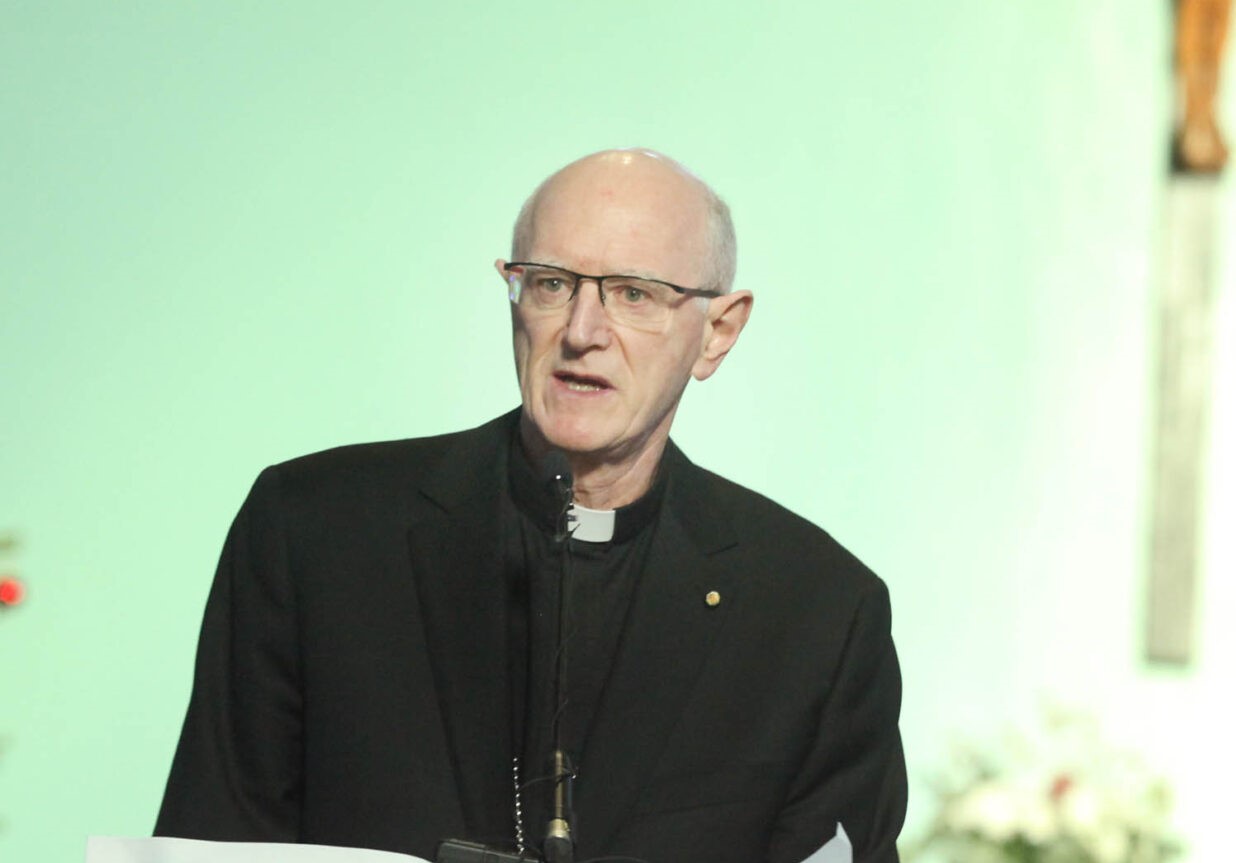
People are mistaken who “think that most parents are less interested in a school with a Catholic ethos than previous generations,” Archbishop Dermot Farrell of Dublin has said.
“We should not shy away from our ethos. We must put ourselves in the public square. If the Catholic school is to fulfil its mission properly, it cannot retreat into what it considers a safe space. A Catholic school that isolates itself becomes self-centred and self-referential,” he said.
Those with responsibility for such schools “now need to consider seriously what it is we do, how we do it, and how we prepare these schools to continue to reflect the Catholic ethos for the families who wish to enrol their children in them,” he said.
Archbishop Farrell was speaking yesterday at a Mass for the Association of Patrons and Trustees of Catholic Schools (APTCS) in the Dominican retreat centre, in Tallaght.
An SNP Member of the Scottish Parliament has attended an anti-abortion gathering by the 40 Days for Life group outside Queen Elizabeth University Hospital (QEUH) in Glasgow.
In an email, Mason said the gathering, “could not really be described as a protest. It was more like a vigil.”
“They stood across a wide road from the hospital entrance and certainly did not approach anyone, harass anyone or cause alarm or distress.”
He added that he considered abortion to be “seldom essential or vital”, before claiming the vigils might help women realise “they have a choice”.
Mason, the MSP for Glasgow Shettleston, added: “Sadly some women are being coerced by a partner or family to have an abortion when they may not realise they have a choice, eg by having the baby and giving him/ her up for adoption.”
He also said he was “unconvinced” of the need for a new exclusion zone law. Mason later told The Times that “the key dividing line in all this is when life begins” and argued that if life was deemed to begin at conception then society had a “responsibility to support the health of both mother and baby”. He added: “But I respect the view of others that life does not begin until birth so only the woman’s health is a consideration.”