
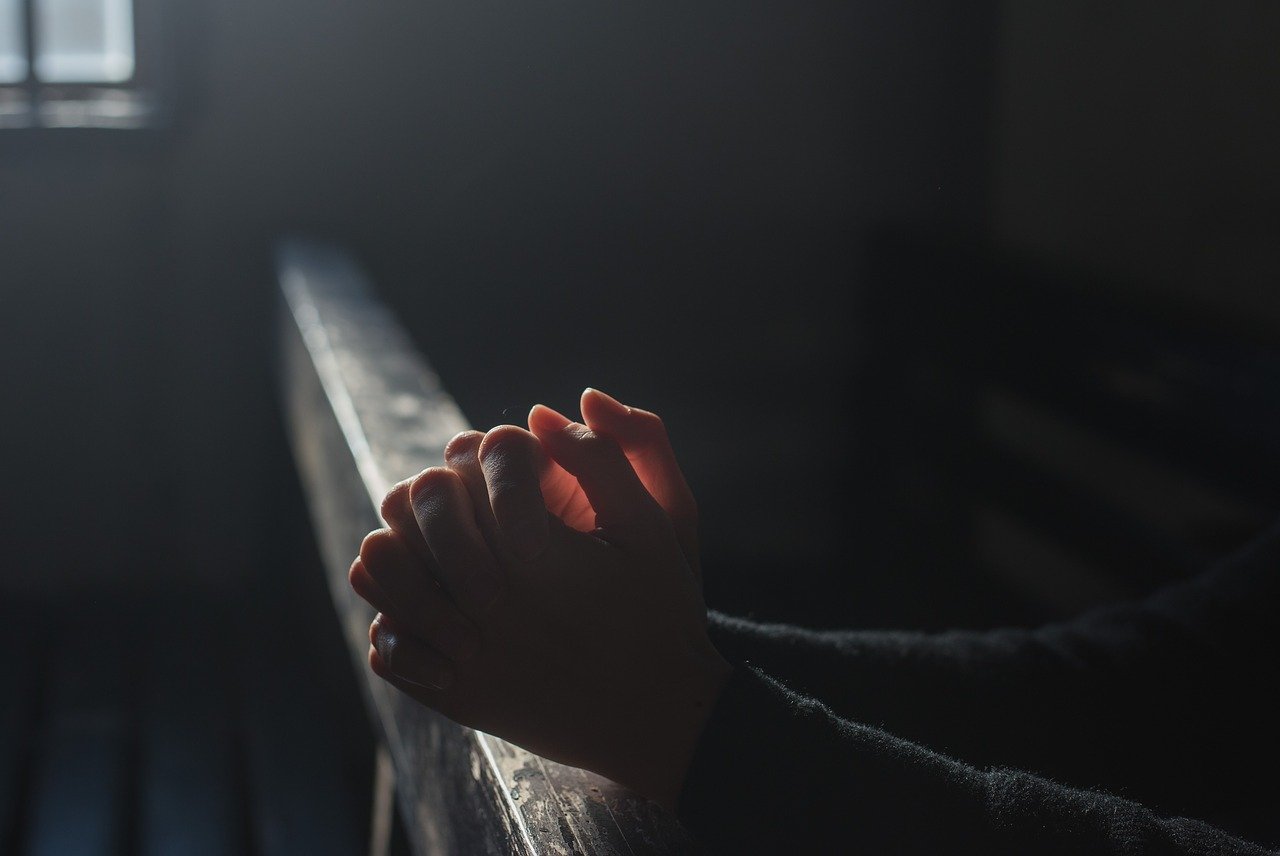
A majority of Irish prisoners abroad identified prayer and spirituality as “the most helpful” means of managing stress and anxiety.
That’s according to a survey conducted by the Irish Council for Prisoners Overseas (ICPO), an agency of the Catholic bishops.
Of the 1,100 Irish prisoners surveyed in 30 countries, almost 70 per cent were in UK prisons with the remainder in jails in the US, Europe, and Australia.
The unprecedented survey was conducted in the final quarter of last year by the ICPO, which was set up by the Catholic bishops in 1985 to work with Irish prisoners overseas regardless of faith, conviction or prisoner status.
Commenting on the survey findings, Bishop Denis Brennan, chair of the ICPO said, “Our survey highlights the mental health difficulties experienced by Irish people who are in prison abroad. While it is widely accepted that such problems are a reality for many in prison at home, in the case of a citizen in prison in a foreign country these are exacerbated by time; distance, especially from loved ones and family; finance; isolation; language, and a myriad of potential cultural barriers.”
Bishop Brennan continued, “I am concerned by the relatively high number of survey respondents indicating an absence of a clear sense of direction after their release from prison. It seems that such uncertainty is a consequence of resettlement supports being withheld from foreign national prisoners in a number of countries and the inability for many to access educational, resettlement and offender behaviour courses during the pandemic”.
https://www.irishtimes.com/news/social-affairs/religion-and-beliefs/one-in-four-irish-prisoners-abroad-experience-racism-survey-finds-1.4656861
https://www.catholicbishops.ie/2021/08/26/icpo-survey-60-of-irish-prisoners-abroad-experience-mental-health-difficulties/

A sexual consent education programme for students in second level was launched on Tuesday, which includes workshops for teenagers and seminars for parents.
The programme was developed by Active Consent researchers at NUI Galway over the last two years and is aimed at 15- to 17-year-olds. The programme does not say whether anything more than consent is morally necessary before a couple has sex.
It also includes seminars for parents and resources to increase ‘critical skills’ about topics such as body image, pornography and consent. One of the researchers is Kate Dawson who believes in ‘ethical’ pornography.
The programme aims to teach young people how to be knowledgeable and confident about consent, that consent should be “ongoing, mutual and freely given”.
It aims to help young people recognise the impact of gender, alcohol and drugs on sex and to teach the legal meaning of consent.
The programme will offer a 10-credit professional development module from September, as well as consent workshop training for teachers.

The experience of working from home during the pandemic has given many parents in the US the desire to continue with the arrangement.
More than half of American parents with children under age 18 said that COVID-19 has made them more likely to prefer working from home for a significant portion of time.
That’s according to a new survey conducted by YouGov on behalf of the Institute of Family Studies (IFS) and the Wheatley Institution in the US.
33% of the parents said they would work at home most of the time, while an additional 20% said they would prefer to work at home half of the time.
The respondents also chose “both parents work flexible hours and share child care” as the best child care arrangement for families with kids ages 0-4.
Mothers were more likely than fathers to prefer that option (37% vs. 25%).
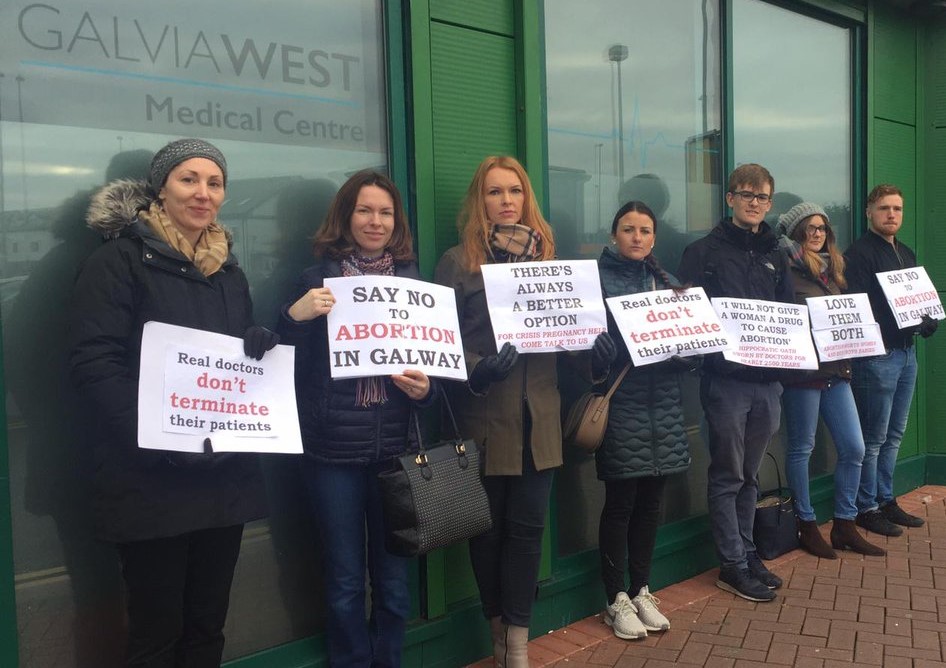
Pro-life prayer vigils and protests have taken place across at least 10 counties, according to research currently being carried out by Maynooth University in collaboration with the activist ‘Together for Safety Campaign‘.
They found that pro-life campaigners have gathered outside GP surgeries and clinics in Cork, Donegal, Dublin, Galway, Limerick, Louth, Roscommon, Tipperary, Waterford, and Wicklow.
There have also been a pro-life presence outside maternity hospitals in Galway, Cork, Drogheda, and Dublin since January 2019 when the abortion regime was rolled out.
Protests were reported outside Limerick Hospital on 17 days in February and March, when the country was under level 5 lockdown.
Camilla Fitzsimons of NUI Maynooth said she has received reports of demonstrators praying loudly, holding up graphic placards, and distributing leaflets outside healthcare facilities.
She added that a number of respondents raised concerns about the impact so called “safe access zones” could have on the right to protest.
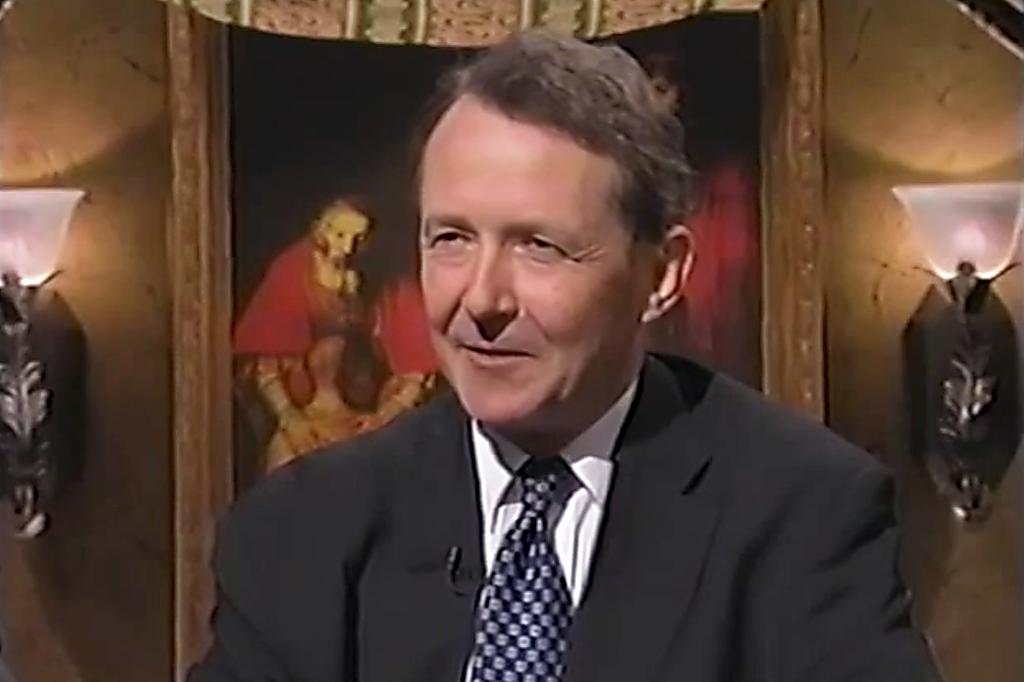
Lord David Alton is urging UK politicians to defend religious freedom around the world and shine a light on the “horrendous atrocities” being perpetrated against people of faith.
The crossbench peer said solutions needed to be found for minorities in Afghanistan after the Taliban seized control last week.
“The last few days have been dominated by the appalling news from Afghanistan and the ever-growing fear of what this will mean for women and girls, religious minorities and countless others,” he said.
“That fear is grounded in our knowledge of what they have done before – by the horrific legacy of the atrocities perpetrated by the Taliban. We need to find solutions to help all those at risk.”
Lord Alton made the comments in his capacity as vice chair of the All Party Parliamentary Group on Freedom of Religion or Belief.
Afghanistan’s tiny Christian minority is bracing for a new round of persecution in the wake of the Taliban’s takeover of the country, Christian leaders and aid organisations warn.
The head of Aid to the Church in Need, which helps persecuted Christians, Dr Thomas Heine-Geldern stated: “ACN predicted the deterioration of the situation in its recent Religious Freedom Report, published in April 2021. Throughout the 22-year history of this report, Afghanistan has always been among the countries that most violates this fundamental right. Especially in the last three years, the report highlights the repeated and egregious attacks against places of worship, religious leaders, and worshippers.
He continued: “Our analysis, unfortunately, does not leave much room for hope. All those who do not espouse the extreme Islamist views of the Taliban are at risk, even moderate Sunni. The Shia (10%), the small Christian community, and all other religious minorities, already under threat, will suffer even greater oppression. This is a huge setback for all human rights and especially for religious freedom in the country.
Meanwhile. an Afghani Christian leader told the aid organisation International Christian Concern (ICC): “We are telling people to stay in their houses because going out now is too dangerous”.
He said that Christians in the country fear that Taliban attacks on Christian communities would start soon.
“It will be done mafia style. The Taliban will never take responsibility for the killings.”
He added: “Some known Christians are already receiving threatening phone calls. In these phone calls, unknown people say, ‘We are coming for you.’”

Jerker Schmidt, a priest and church politician for the Bourgeois Alternative, is one of many who would stipulate that Lutheran priests must conduct same-sex ceremonies, telling Swedish broadcaster SVT: “It’s about the Church’s image of God and the view of man.”
The results of an election survey published by the newspaper Kyrkanstidning earlier this month revealed that the issue is hotly contested, with five of the 11 nominating groups saying they were supportive of forcing Lutheran priests to carry out the services while six said they were not.
Same-sex marriage has been permitted in the Church of Sweden since 2009. But a clause allowing priests to abstain from such ceremonies, known as the “conscience clause”, has been a topic of discussion for years.
An investigation is underway into the tragic death of a young mother in Blackpool that occurred following a post-abortion infection.
Sarah Louise Dunn (31), died at Blackpool Victoria Hospital on 11 April 2020 almost four weeks after having the abortion.
After feeling unwell following the procedure, the mother of five approached her GP several times over the course of two weeks. On 10th April, she was taken by ambulance to Victoria Hospital’s A&E department and died the following day from the sepsis infection.
A spokesperson for the pro-Life Campaign said that sadly, this is not the first case of its kind in England where a woman lost her life due to an infection from an abortion.
“The lack of media interest in her case is also very noticeable, in contrast for example to the round the clock media coverage of the Savita Halappanavar case that was used to foist abortion on Ireland. Savita died as a result of a mismanaged sepsis during her care and not as a result of being denied an abortion as the media continually and vehemently claims”.
A mother of a disabled boy is asking the Canadian government to extend euthanasia to children so a lethal injection might be given to her son.
Karie-Lyn Pelletier, from L’Islet, says she wants to be able to end the life of her four-year-old boy, Abel, if his condition further deteriorates.
The child suffers from Mednik syndrome, an incurable genetic disease which has left him deaf and with severe learning disabilities and intestinal problems.
Miss Pelletier says she wants euthanasia to be “the end that will deliver Abel from his sufferings and the fight he leads”.
She is supported by Senator Pierre-Hugues Boisvenu, a politician who worked on the Bill C-7 which in March removed many of the safeguards from the country’s five-year-old Medical Assistance in Dying regulations permitting euthanasia and assisted suicide.
Computer science teacher and atheist Fachtna Roe said he views the statue as a symbol associated with oppression, cruelty and the humiliation of women and children, and its placement in the school caused him “offence and upset”.
In May 2015, he attempted to remove the statue as he viewed it as victimisation of him, but was opposed by the school’s caretaker and a scuffle ensued.
Mr Roe argued that the placement of the Virgin Mary statue in 2015 was done to make him feel inferior as a humanist in his place of work, and that the statue represents Roman Catholic dogma, which humanists oppose.
Mr Roe also argued at the Labour Court that there is no place in a vocational school for ‘religious dogma’.
The court found that Mr Roe has not established any facts from which an inference of discrimination could be drawn in the case.