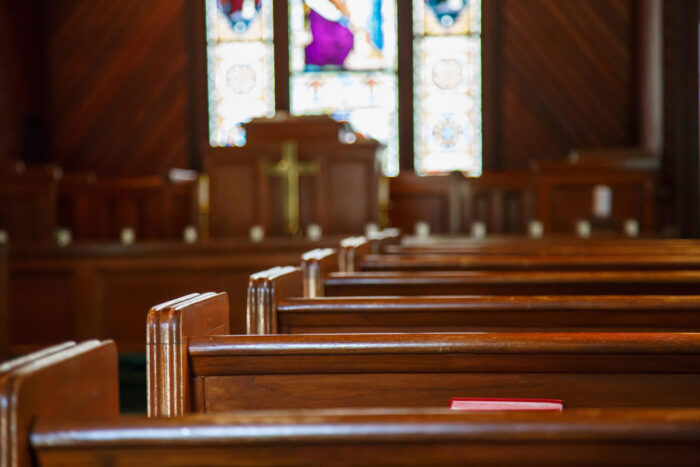
That’s according to a survey conducted in July and August by the Center for Applied Research in the Apostolate. Another 51 percent say they will return to their normal pattern of attendance after the pandemic, and 14 percent said they plan to go to Mass more often.
2,214 self-identified Catholics between the ages of 18 and 35 were surveyed. A quarter said they participated in Mass online or on television during the pandemic “somewhat” or “very” often. Another 22 percent said they watched Mass “a little,” and 54 percent said they had not watched at all.
A major correction has been issued by the American Journal of Psychiatry that neither “gender-affirming hormone treatment” nor “gender-affirming surgery” reduced the need of transgender-identifying people for mental health services.
The authors and editors of an October 2019 study, titled “Reduction in mental health treatment utilization among transgender individuals after gender-affirming surgeries: a total population study,” have retracted its primary conclusion. Letters to the editor by twelve authors led to a reanalysis of the data and a corrected conclusion stating that in fact the data showed no improvement after surgical treatment.
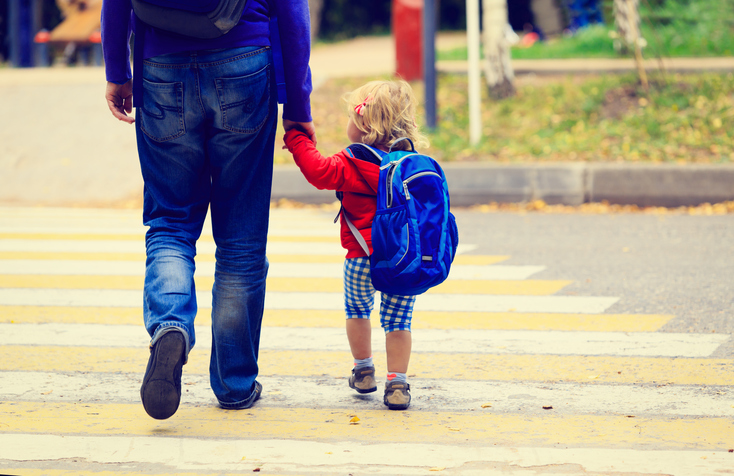
Catholic primary schools in the greater Dublin area are to end the practice of giving priority enrolment to siblings of pupils currently attending school.
Schools who operate “sibling-first” enrolment policies say they have been instructed by the archdiocese of Dublin to give parity to all children in the local catchment area alongside children of siblings.
The revised policies are due to be signed off by the archdiocese this month, and will come into effect for children enrolling in the 2021/22 school year.
A spokeswoman for the archdiocese said that its school enrolment policies do not permit over-subscribed schools to prioritise siblings of current pupils only. She said this did not represent a change in the policy of the archdiocese, and these policies had been in place for many years.
However, several schools confirmed to The Irish Times that they have operated sibling-first enrolment policies for years with no objection until now.
The principal of one Catholic school said: “There will be uproar among parents when this comes out. It means that families risk being split up. It undermines the sense of school community.”

The Catholic Church has accused the SNP of trying to prevent individuals who oppose abortion and gender reform plans from being selected for next year’s Scottish Parliament election.
Anthony Horan, director of the Catholic Parliamentary Office in Scotland, claimed that there had been “open and vicious hostility” shown to party members who opposed abortion. He alleged that SNP officials were prepared to act against colleagues on the basis of their religious convictions, a claim that the party strongly rejects.
Mr Horan cited the case of Lisa Cameron, the MP for East Kilbride, Strathaven & Lesmahagow, who received “a significant degree of virtual and actual hostility for her belief in the right to life of the unborn, including calls by some for her deselection”.
Mr Horan raised doubts about the reassurance that the church received at that time after it raised concerns with Nicola Sturgeon. He said: “Alarmingly, recent reports suggest that religious affiliation, pro-life beliefs and the belief that gender is not fluid and changeable may lead to some individuals being excluded from the SNP candidate selection process ahead of next year’s Scottish parliament elections.
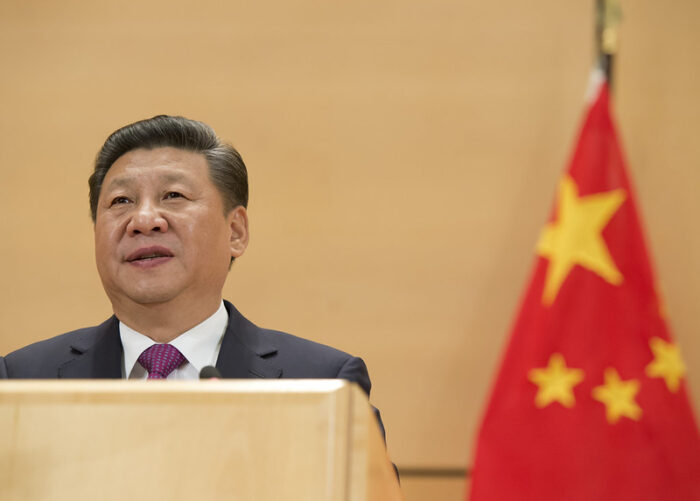
More than 100 British lawmakers signed a letter to the Chinese ambassador Wednesday condemning what they described as “a systematic and calculated programme of ethnic cleansing against the Uighur people” in China’s far western Xinjiang region.
“When the world is presented with such overwhelming evidence of gross human rights abuses, nobody can turn a blind eye,” said the cross-party letter, which was signed by 130 lawmakers.
The letter referred to reports of forced population control, including coerced sterilisations and abortions, mass detention of Uighur Muslims in Xinjiang, as well as video apparently showing a large number of blindfolded and shaven men waiting to be loaded onto trains. The lawmakers said the video bore “chilling” similarities to footage of Nazi concentration camps.
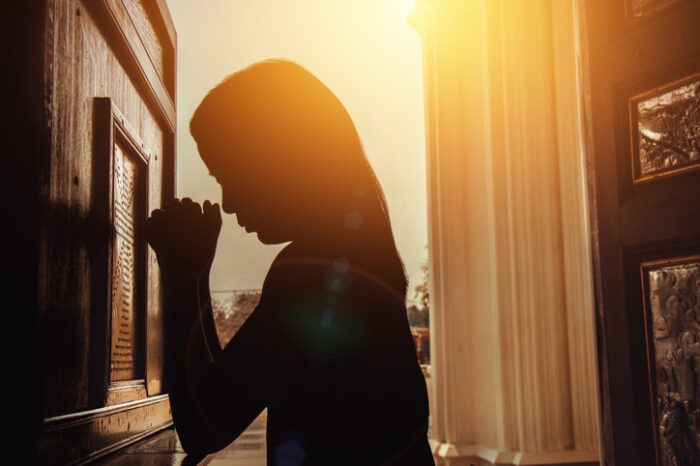
The Vatican has told Church leaders in Australia that the Seal of Confession can never be violated.
The comments followed upon the August 2018 response of the Australian Catholic Bishops to Royal Commission on Institutional Responses to Child Sexual Abuse.
In its final report, the Commission recommended that the Australian Bishops request that the Vatican consider introducing voluntary celibacy for clergy and end the Seal of Confession for cases of abuse, as well as requiring that abusers confess to the police before sacramental absolution can be given.
In its comments, the Vatican reaffirmed that “a confessor is prohibited completely from using knowledge acquired from Confession to the detriment of the penitent even when any danger of revelation is excluded.”
“However, even if the priest is bound to scrupulously uphold the seal of the confessional, he certainly may, and indeed in certain cases should, encourage a victim to seek help outside the confessional or, when appropriate, to report an instance of abuse to the authorities,” the document said.
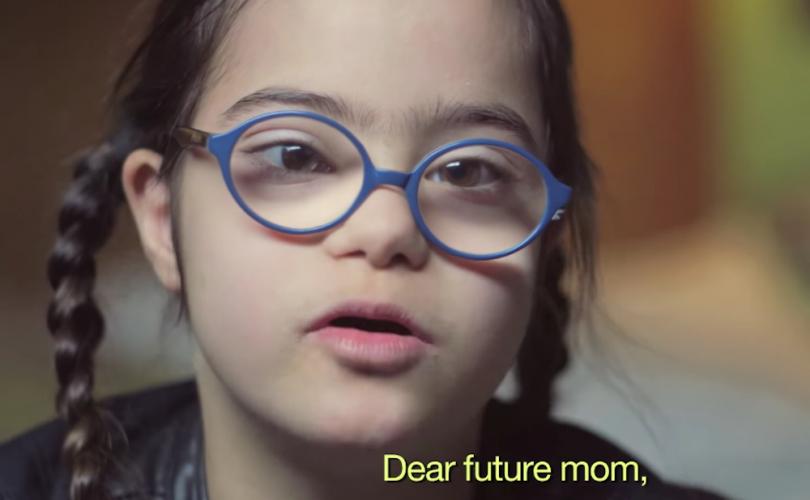
The UK actress Sally Phillips, whose son Olly has Down Syndrome, has criticised Amazon, after the website was to used to sell Down Syndrome “hatewear” T-shirts.
She said: “Eugenic ideas are really taking hold — the idea that there is this subclass of humans and it is better we get rid of them. If you have a world view in which you regard academic intelligence or money-making possibilities as the ultimate goal . . . then you feel perfectly justified in saying these things.
“It would break my heart if Olly saw anyone wearing those T-shirts.”
Meanwhile, a petition to ban Amazon sellers from selling the T-shirts has been signed by more than 5,000 people.
“Many people from the Down Syndrome Community have contacted Amazon time and time again to remove product inciting Hate speech against people who have Down’s syndrome,” the petition reads.
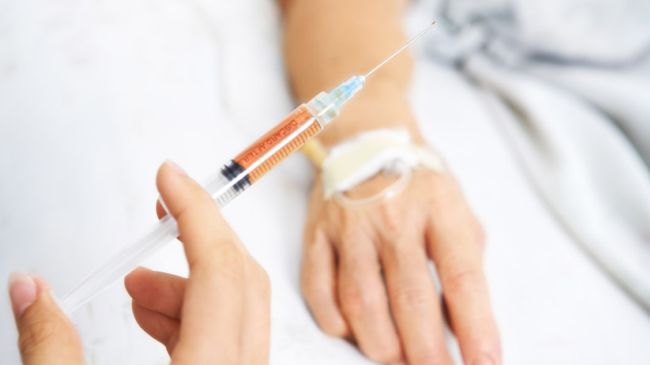
Vicky Phelan has appealed to politicians to back an assisted suicide Bill to be introduced in the Dáil tomorrow. The Bill defines ‘terminal illness’ very broadly.
Her message to politicians, she said, was: “Allow us to die a peaceful death with dignity.
“Palliative (care) does not always work. I have seen people in recent years with a certain amount of suffering that no pain management can get on top of.
Ms Phelan said she had suffered from depression, had sought help and come through it, and a schedule of illnesses could be specified under the law, if passed.
“This Bill is about giving people who are at the end of their life, and in pain, the choice to go gently – so that they don’t have a certain amount of unnecessary suffering.
“We don’t do it to animals. I don’t see why we should do it to humans.”
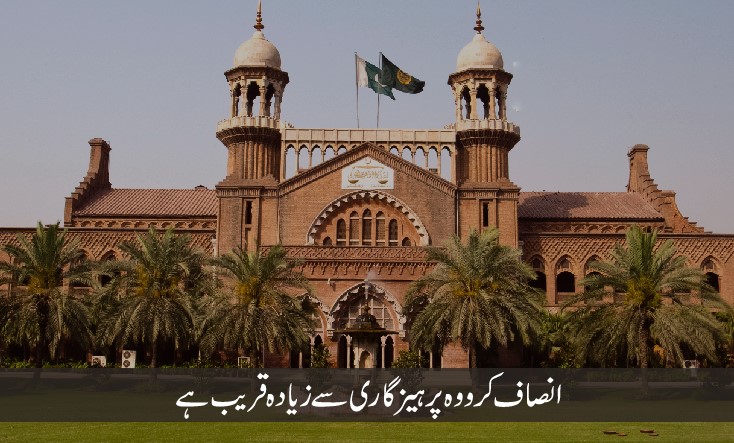
A Pakistani court sentenced a Christian man to death on charges of blasphemy.
A court in Lahore charged that Asif Pervaiz, 37, included insulting remarks about Muhammad in a text message sent to his supervisor at the garment factory where he had worked.
Pervaiz was also sentenced to a fine of 50,000 Pakistani rupees ($300), and three years’ imprisonment.
His lawyer told Reuters he would appeal the sentence. The lawyer has added that Pervaiz said he was accused of blasphemy only after refusing to convert to Islam.
Pervaiz’ trial began in 2013.
Pakistan’s blasphemy laws are reportedly used to settle scores or to persecute religious minorities; while non-Muslims constitute only 3 percent of the Pakistani population, 14 percent of blasphemy cases have been levied against them.
Many of those accused of blasphemy are murdered, and advocates of changing the law are also targeted by violence.
More than 40 people are serving a life sentence or face execution for blasphemy in the country.
Pro-life advocates have expressed concern over another significant rise in abortion figures in the UK.
The first six months of this year saw over 4,296 more abortions in England and Wales than the same period of last year giving a total of 109,836 abortions between 1 January and 30 June 2020.
And that came despite 2019 recording the highest number of abortions ever for England and Wales when there was one abortion for every three live births.
Catherine Robinson of Right to Life UK called the figures a national tragedy.
She said they represent a failure by society to protect life and a failure to offer full support to women with unplanned pregnancies.