
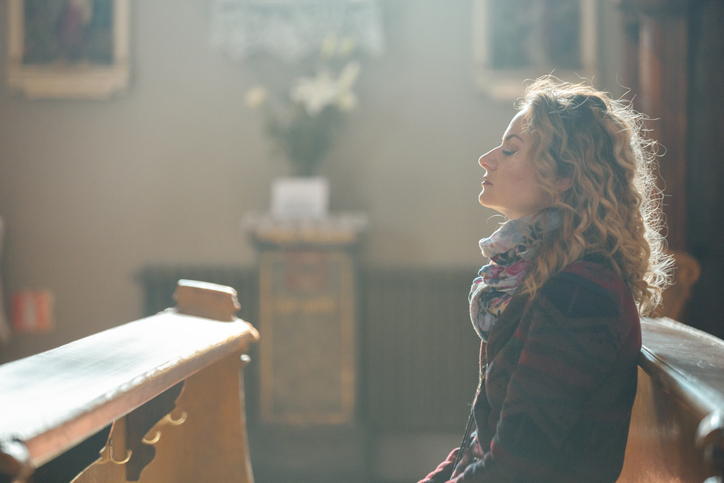
The number of lay chaplaincy appointments in the higher education sector has remained static and the overall spend has increased despite recommendations in a 2015 review.
In 2015 then Minister for Education Jan O’Sullivan asked the Higher Education Authority (HEA) to conduct a review of higher education institutions to determine existing chaplaincy arrangements across the sector. This was as a result of a campaign by Atheist Ireland.
The review, which was completed in the summer 2016, made a number of recommendations including ensuring value for money, making support services available to students of all faiths (and none) and compliance with public sector appointment criteria.
Several institutions had no public appointment or tendering procedure for the employment of chaplains.
To address the availability of services to students of all faiths, the HEA had suggested at the time that the use of lay chaplains be considered. A lay chaplain is a representative of a religious institution who is not a cleric of that faith.
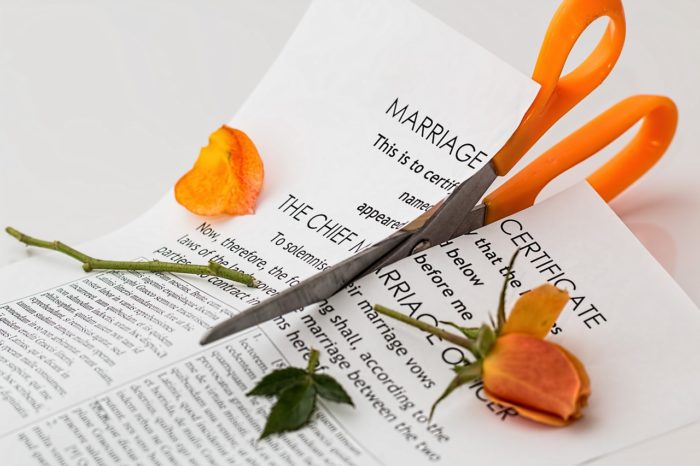
The new law to significantly reduce divorce waiting times and further weaken the bonds of marriage, legally speaking, has come into effect this week. The legislation that followed upon the Divorce referendum cuts in half the required waiting period for divorce from four years to two years and removes any need for a waiting time from the Constitution altogether meaning the waiting time can be further reduced in the future. Minister for Culture, Heritage, and the Gaeltacht, Josepha Madigan, who shepherded the Government’s campaign in favour of the change in law, celebrated the enactment of the legislation on Newstalk. Speaking to Mark Cagney, she called it a “significant achievement” by all those who campaigned for it and said it reflects “a kindness and understanding” that people have about other people’s situations.
The law took effect on Sunday.
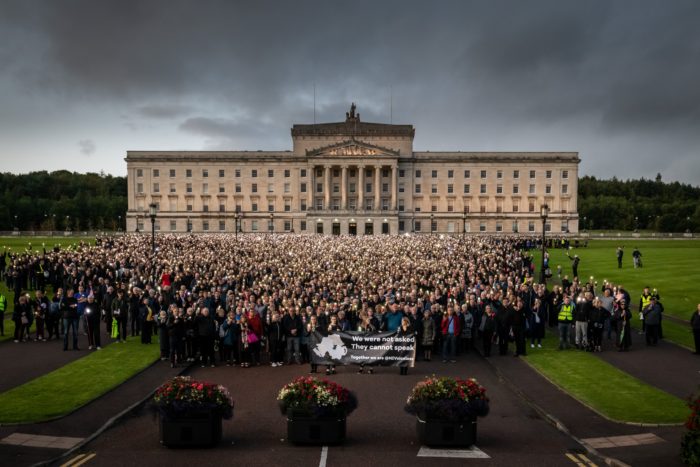
Thousands took part in a Belfast rally against the imposition of an extremely permissive abortion law on the North by Westminster. Abortion will be decriminalised up to the point of foetal viability which is more liberal than the British law.
The NI Voiceless initiative was set up by citizens who object to the people of Northern Ireland not being consulted on the new law.
One of the organisers, Sarah Crutchley, said: “We are heartbroken over the change in Northern Ireland and we want to express our sorrow, because the right to life of unborn children has been totally disregarded.
“We are also here to stand for unity, to shine a light for life.
“We want a life-affirming society here, where every life is valued and no death is chosen.
“We want to stand, speak and serve for the lives of unborn children and for women in need.”
A new group, the Detransition Advocacy Network, founded by Charlie Evans, has just been launched in the UK to support people who have stopped or reversed gender reassignment.
To celebrate its launch, Make More Noise, an ‘independent feminist collective’, hosted a conference discussing the ethics of the social and medical transition of gender non-conforming women and girls. Social media commentary was tagged #ManchesterDetrans.
Professionals working in the field gave talks, while a panel of detransitioned spoke about their experiences.
Among the speakers were Susan Evans, a mental health nurse and psychotherapist, who resigned her position at the Tavistock clinic over concerns that hormones were being prescribed to vulnerable children without due care; Dr Anna Hutchinson a chartered Clinical Psychologist who held senior positions at a number of internationally renowned London hospitals, including Great Ormond Street Hospital and The Tavistock Centre; and Stella O Malley an Irish psychotherapist, best selling author and public speaker whose documentary ‘Trans Kids – it’s time to talk’ was one of the first films to investigate the treatment of transgender children.
In a follow up interview with the Sunday Independent, Ms O’Malley said ‘Born in the wrong body’ is a great description of a feeling, “but it’s not a diagnosis”.
“And psychologically, that is a very dangerous thing to say to somebody. Can you be born in the wrong body? Can you be born in the wrong head? Are people who are born in very challenging bodies, through disability, are they born in the ‘wrong’ body? I reject the concept”, she added.
Meanwhile, the Government here is pushing ahead with plans to make it far easier for under 18s to change their legally recognised gender.
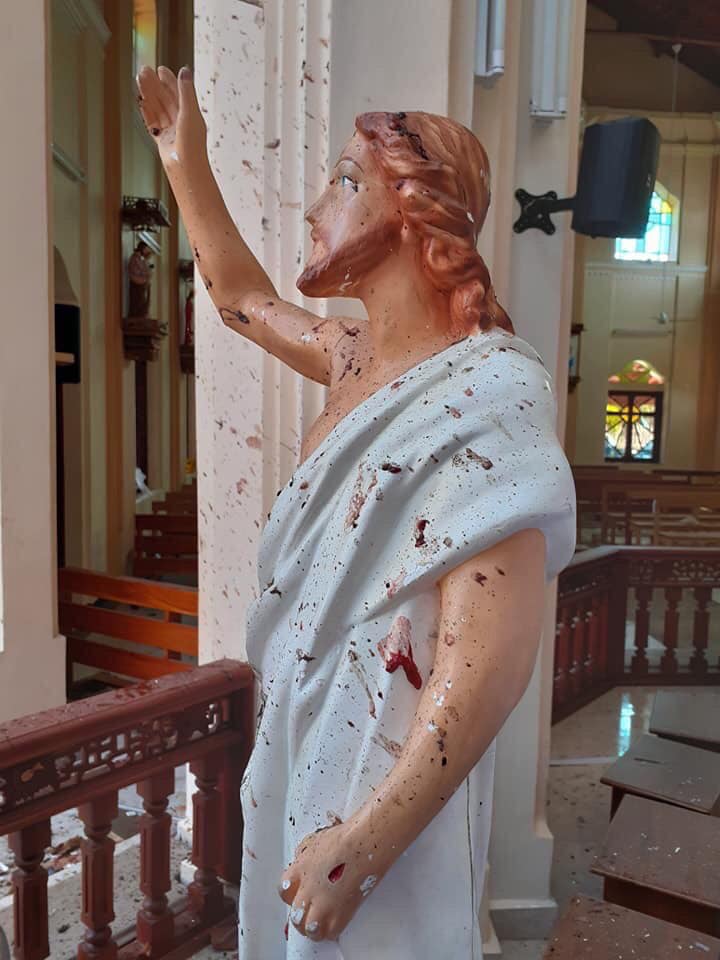
At least 14 people were killed in eastern Burkina Faso on Sunday morning, the government there said.
The identity of the gunmen was not immediately clear and further details on the attack had yet to emerge. Burkinabe armed forces were caring for the wounded and searching the area, the government said in a statement.
This year an Islamist insurgency has ignited ethnic and religious tensions in Burkina Faso, rendering large parts of the country ungovernable, especially in northern areas bordering restive Mali.
On Nov. 6 gunmen opened fire on a convoy of buses carrying mine workers in the Est region, killing 39.
The timing of the latest incident, during hours of worship, mirrored other attacks on Christians this year — a new phenomenon in a West African country that has long prided itself on its religious tolerance.
Violence during consensual sex has become normalised, campaigners have warned. They said: “This is likely to be due to the widespread availability, normalisation and use of extreme pornography.”
It comes after more than a third of UK women under the age of 40 said in a survey that they have experienced unwanted slapping, choking, gagging or spitting during consensual sex.
Of the women who had experienced any of these acts, wanted or otherwise, 20% said they had been left upset or frightened.
The Centre for Women’s Justice told the BBC the figures showed the “growing pressure on young women to consent to violent, dangerous and demeaning acts”.
Steven Pope, a psychotherapist specialising in sex and relationships, told 5 Live that he deals with the negative impact of the rise of acts of these kinds “day in, day out”.
“It’s a silent epidemic. People do it because they think it’s the norm but it can be very harmful. What we see is that for many, it devalues the relationship but – at its worst – violence becomes acceptable.”
Euthanasia should be legalised according to well-known CervicalCheck campaigner Vicky Phelan. She told the Irish Mail on Sunday she would avail of it herself if it were available in the State, although if it were not, she wouldn’t travel abroad to avail of it in case it got any of her family into legal difficulties.
In a candid interview she said she would be “pro euthanasia, definitely”.
“I would hate to be in position where I was in a lot of pain or lingering, as can happen a lot, that people are waiting for four or five days for somebody to die. It’s terrible for the patient. It’s terrible for the family having to sit and watch their loved one. It’s not a nice sight to see people when they’re dying,” she said.
In countries such as Belgium and the Netherlands, the grounds for assisted suicide have broadened far beyond cases of terminal illness.
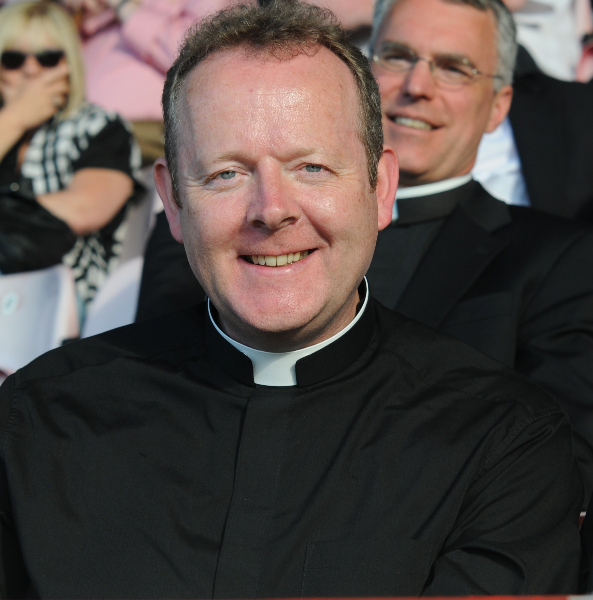
Eighty per cent of all acts of religious persecution around the world today are being committed against Christians, Archbishop Eamon Martin said, responding to a new report from Aid to the Church in Need Ireland.
He was speaking at a special prayer service at Armagh Cathedral to remember those who have died for their faith. The event marked Red Wednesday, the highpoint of a special ‘Week of Witness’ that invites Christians across Ireland to stand in solidarity with persecuted Christians and other people of faith across the world.
Archbishop Martin said the 2019 Aid to the Church in Need Report ‘Persecuted and Forgotten’ “shockingly reminds us that martyrdom is not just a phenomenon of the past but continues, and is even increasing, in today’s world”. He continued: “Eighty per cent of all acts of religious persecution around the world today are being committed against Christians; 245 million Christians in more than 95 countries are facing extreme persecution for their faith. We remember them all in prayer at this time”.
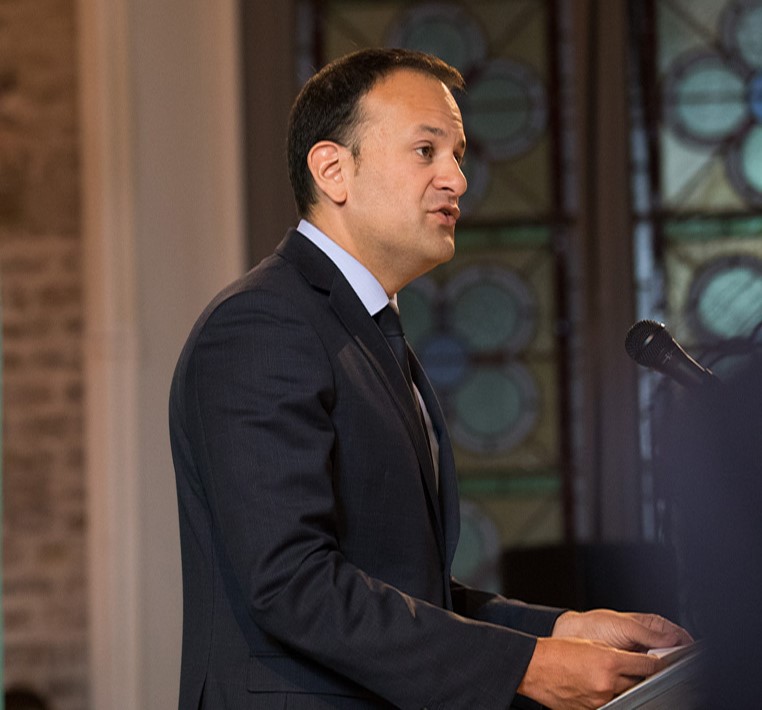
The Taoiseach has touted the upcoming Citizens’ Assembly on gender inequality as a means to end all discrimination against girls and women, including the gender pay gap.
Mr Varadkar was speaking at a conference on equality in the workplace as part of #WorkEqual, an annual campaign run by the Dress for Success Dublin (DFSD) charity.
Mr Varadkar said the Assembly will specifically examine pay inequalities across the economy because “all too often” women are disproportionately represented in the low-pay sectors.
“I also want it to challenge the remaining barriers and social norms and attitudes that facilitate gender discrimination towards girls and boys, women and men,” he added.
Sweden which has universal, affordable childcare has about the same gender pay gap as Ireland.

A new Government strategy intends to “explore opportunities” for the inclusion of LGBTI+ lives in primary and secondary cycle curriculum as part of the review into content being taught.
The strategy also plans to include LGBTI+ matters in the review of relationship and sexual education curriculum.
National LGBTI+ Inclusion Strategy, launched by Minister for Children and Youth Affairs Katherine Zappone and Minister for Justice Charlie Flanagan on Thursday, contains over 100 actions which are aimed at promoting inclusion, protecting rights and improving the quality of life and wellbeing of LGBTI+ people.