

A new pro-abortion law in the Mexican state of Campeche has prompted local Bishop José Francisco González to warn that those who promote and facilitate the practice — including women, doctors, and legislators — will be excommunicated from the Catholic Church.
The abortion measure, promoted by Campeche state’s Human Rights Commission, was passed Feb. 24 in a closed session of the state congress.
With this move, the Penal Code was changed to allow the “interruption of pregnancy” within the first 12 weeks.
Campeche is now the 21st Mexican state to decriminalize abortion.
During a Feb. 26 press conference, Bishop González described the decision as “incomprehensible” from a legal and social point of view.
The prelate pointed out that the Code of Canon Law establishes that those who support abortion “are as a matter of practice outside of communion with the Church. That is, those who promote it, those who carry it out, and those who collaborate cannot participate in the sacraments.”
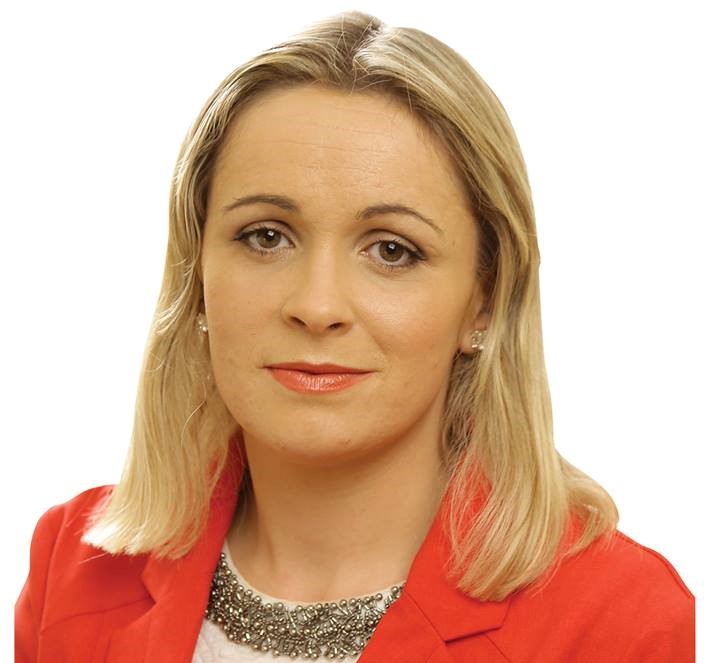
A proposal by the Social Democrats and Labour to remove the prayer reading before Dáil sessions has been denounced by other TDs as showing a “contempt for Christian practices”.
The prayer is read out in both Irish and English by the Ceann Comhairle before Dáil sessions. It is followed by a 30-second moment of reflection. Such a practice is common in parliaments based on the British model.
Carol Nolan TD for Laois-Offaly told The Irish Catholic the issue of the prayer was debated and resolved in 2017 when it last arose, which showed “there is no desire to abandon the prayer”.
“Here we go again on the self-indulgent merry-go-round with parliamentarians trying to disguise what is really a fundamental contempt for Christian practices under a guise of inclusiveness,” Ms Nolan said.
Minister of State and Kerry TD Michael Healy-Rae said that he would be “vehemently opposed to any suggestion to remove the prayer and the moment of reflection that we have in the Dáil”.
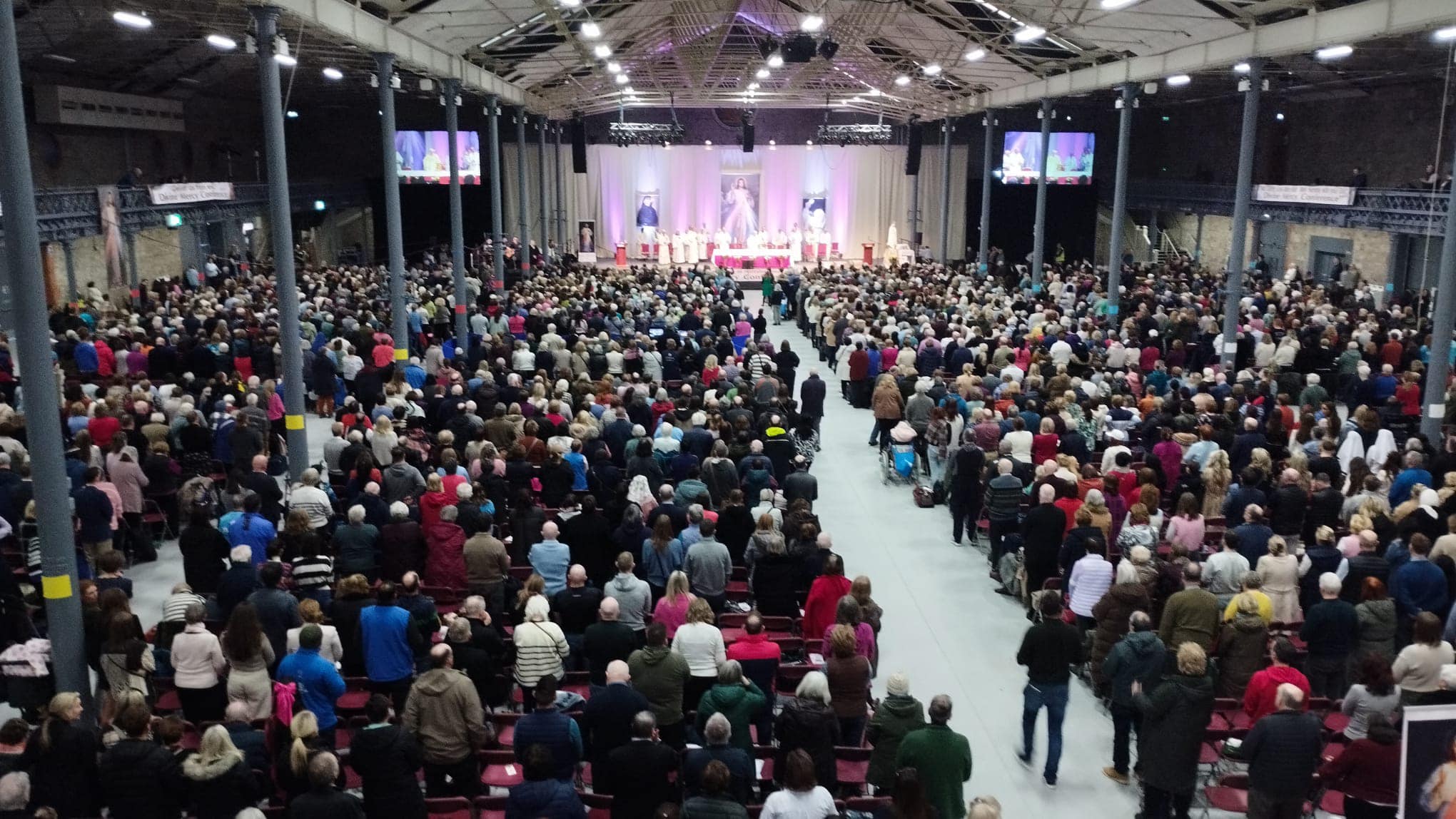
The Divine Mercy Conference held at the RDS in Dublin this year saw a record turnout, with over 9,000 attendees from all walks of life, including many young people.
The event was sold out and scores of people were turned away despite some of them having travelled long distances to make the event.
One attendee, Alison, was impressed at the turnout and the incredible energy at the event. “It’s amazing to see so many people here, especially with so many young people and families,” she said. “It’s encouraging to meet so many full-time missionaries. People are really giving up their lives for God’s work. It’s incredible to see the faith alive in such a large community.”
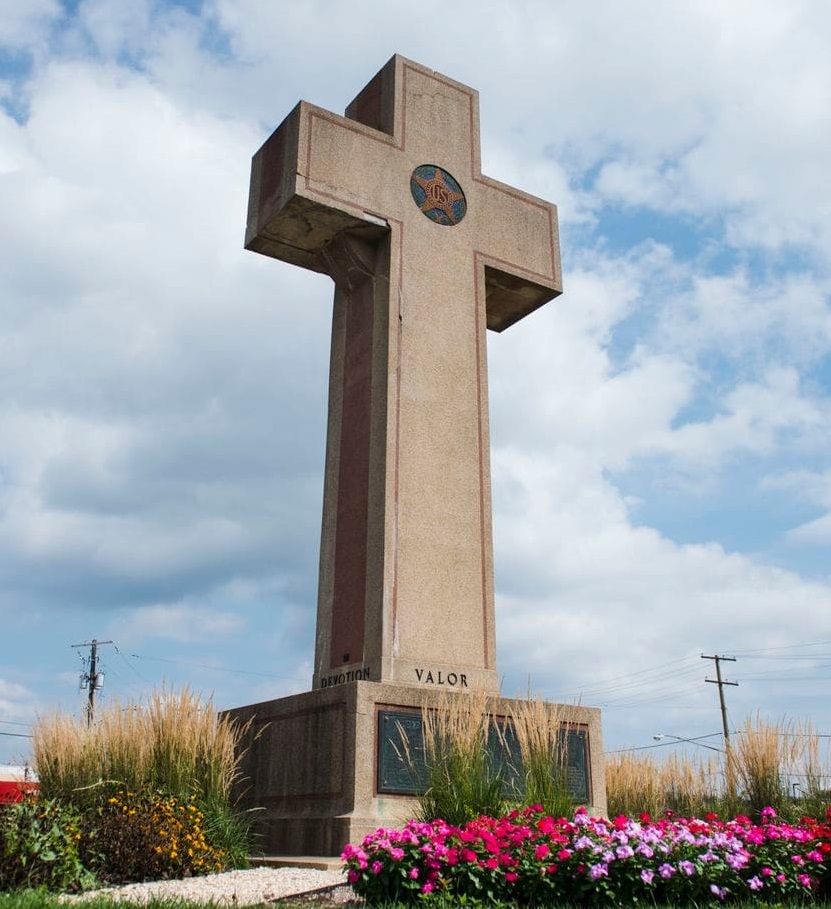
The steady decline of Americans who identify as Christians shows signs of levelling off and now stands at slightly above six-in-ten, according to a massive new Pew Research Center survey of 36,908 U.S. adults.
The percentage of U.S. adults who say they attend religious services at least monthly has also remained steady at about 33pc over the past five years.
The Religious Landscape Study (RLS) is the largest single survey the Center conducts, aiming to provide authoritative figures on the size of U.S. religious groups because the U.S. census does not collect that information.
The first such survey, fielded in 2007, found that 78% of U.S. adults identified as Christian (which does not measure church attendance). That number ticked steadily downward in surveys each year after that, but the latest RLS finds that 62% of U.S. adults identify as Christians. This means that over the last five years the Christian share of the adult population has been stable meaning that the decline of Christianity in America has halted for the time being.
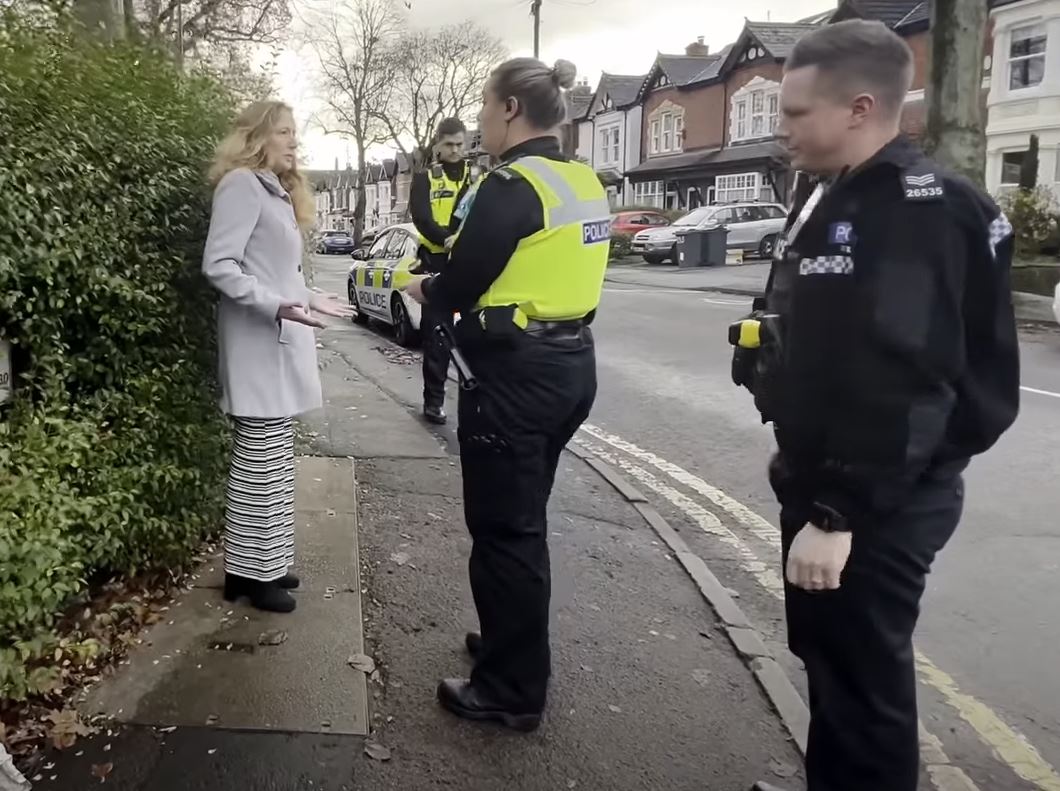
Prayer by a window in one’s own home could be an offence according to the politician who authored the Scottish “buffer zones” law which forbids “influence” within 200m of an abortion facility.
Speaking to BBC’s “Scotcast” podcast this week, the Green Party Gillian Mackay MSP repeatedly denied that prayer was being criminalised under the law. But when asked if “performative prayer” with “clasped hands”, visible from a window, could be prosecuted, she responded: “well, that depends on who’s passing by the window…”
US Vice President JD Vance recently highlighted the censorious nature of the law, referring to letters that had been sent to people’s homes which he alleged warned that “even private prayer within their own homes may amount to breaking the law”.
Mackay claimed that the Vice President was spreading “shameless misinformation”, and in the same Scotcast interview, pointed out that “nowhere in that letter does it say private prayer.”
The letter refers to a prohibition on activities that would “intentionally or recklessly…influence somebody’s decision to access” an abortion facility.
When pressed as to whether visibly praying from a window could meet the threshold of “influence”, Mackay admitted that it would depend on who saw it.

A threat against Spain’s Cathedrals has been issued by the Islamic terrorist group Daesh (ISIS) prompting calls for the country’s Ministry of the Interior to strengthen security at the sacred sites.
A poster with the label “Let’s slaughter” is being disseminated online in which a terrorist armed with a knife and an image of a Spanish cathedral can be seen.
According to the Spanish newspaper La Razón, the poster is accompanied by the incitement to “make the next news yourself and show your anger at what is happening to Muslims. Follow in the footsteps of your brothers who preceded you and sowed fear in the hearts of unbelievers.”
These threats come as major events are being held in some Spanish cathedrals, for example in Madrid and Seville, to pray for the health of Pope Francis, where a large number of faithful are expected to attend.
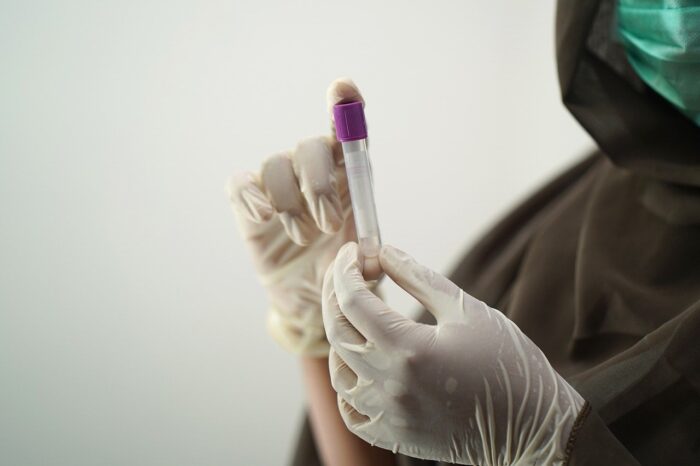
The US Catholic bishops have criticised the new Trump administration order expanding in vitro fertilization (IVF) access.
“As pastors,” the bishops said, “we see the suffering of so many couples experiencing infertility and know their deep desire to have children is both good and admirable; yet the administration’s push for IVF, which ends countless human lives and treats persons like property, cannot be the answer.”
The executive order calls for White House advisers to submit policy recommendations to protect access to IVF and to reduce its out-of-pocket costs.
“The IVF industry treats human beings like products and freezes or kills millions of children who are not selected for transfer to a womb or do not survive. Tuesday’s executive order promoting IVF is thus fatally flawed and stands in regrettable contrast to the promising pro-life actions of the administration last month,” they said.
Pro-life advocates also reacted with dismay to the President’s order.
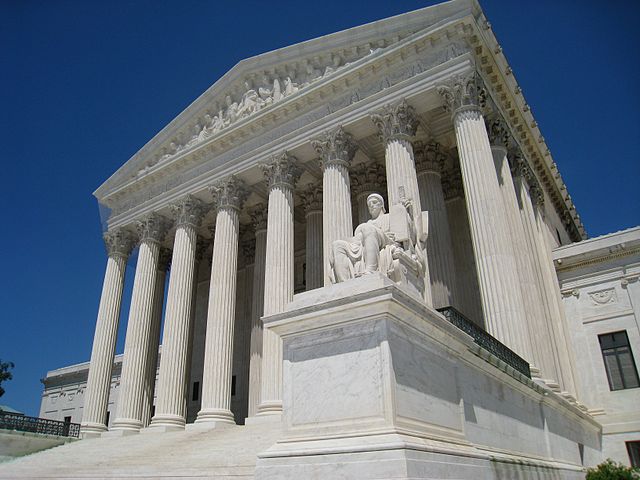
A federal judge has ruled that the U.S. government will not be permitted to conduct unrestricted arrests of suspected unauthorised immigrants at some religious sites while a lawsuit over the policy plays out in federal court.
In an injunction on Monday, U.S. District Judge Theodore Chuang blocked the Trump administration policy carrying out “potential or actual immigration actions” at houses of worship.
The Department of Homeland Security under President Donald Trump last month rescinded Biden-era guidelines that previously required Immigration agents to seek their superior’s approval before arresting people at or near “sensitive locations” such as churches, hospitals, or schools.
The religious groups filed suit against the federal government shortly after, arguing in part that the policy’s enforcement would infringe on constitutional religious rights.
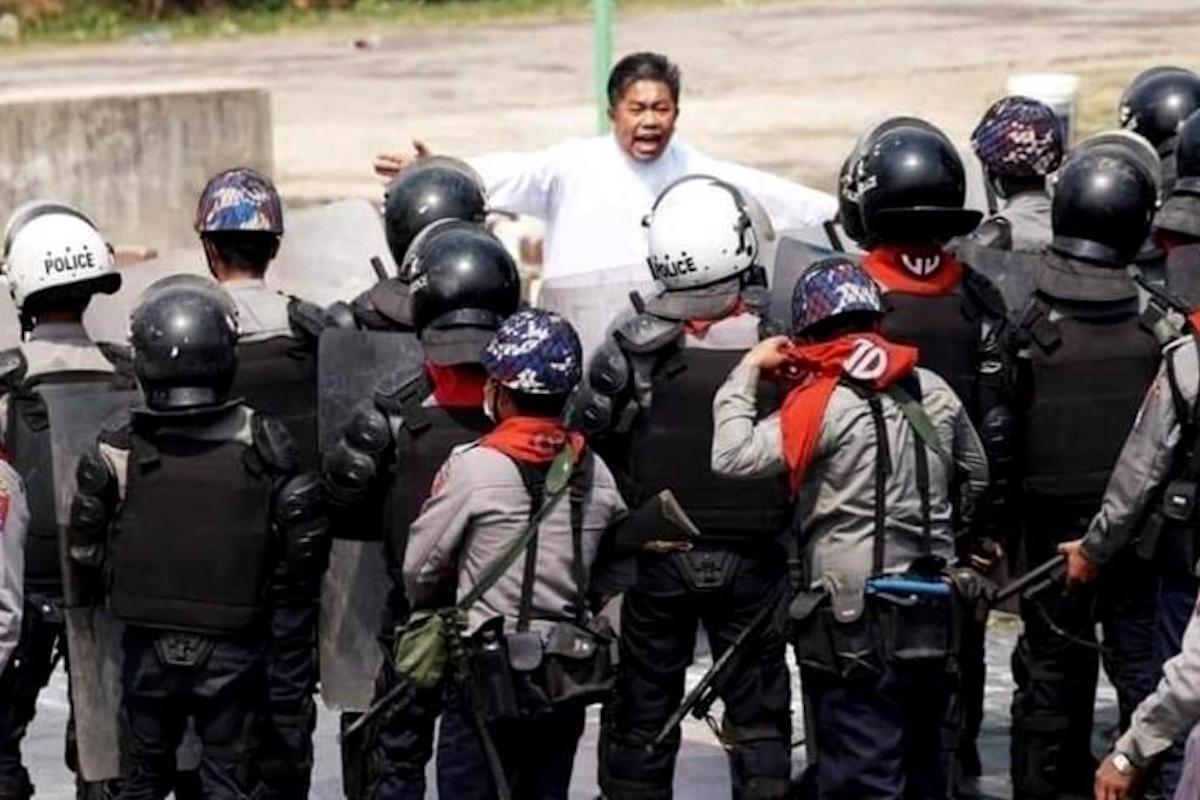
A newly-designated Catholic cathedral in Myanmar has been bombed by the military regime amid an ongoing conflict in the region.
The Sacred Heart of Jesus Church in Mindat was severely damaged by airstrikes by the Myanmar military regime in Chin, Myanmar’s only Christian-majority state.
The church’s roof and stained-glass windows were destroyed, rendering the church unusable, according to Fides, the information service of the Pontifical Mission Societies. No injuries were reported and the area had recently been evacuated.
Less than two weeks before the bombing, Pope Francis designated the church a cathedral for the newly-formed Diocese of Mindat. In the days leading up to the attack, local Catholics were planning upcoming liturgical celebrations, including the consecration of the newly-appointed bishop, Father Augustine Thang Zawm Hung.
Myanmar, formerly known as Burma, is in the midst of a civil war following a military coup in early 2021, in which a junta overthrew the elected government.
The coup sparked widespread resistance by militants of the People’s Defense Forces, mass protests, and an escalation of conflict across the country.
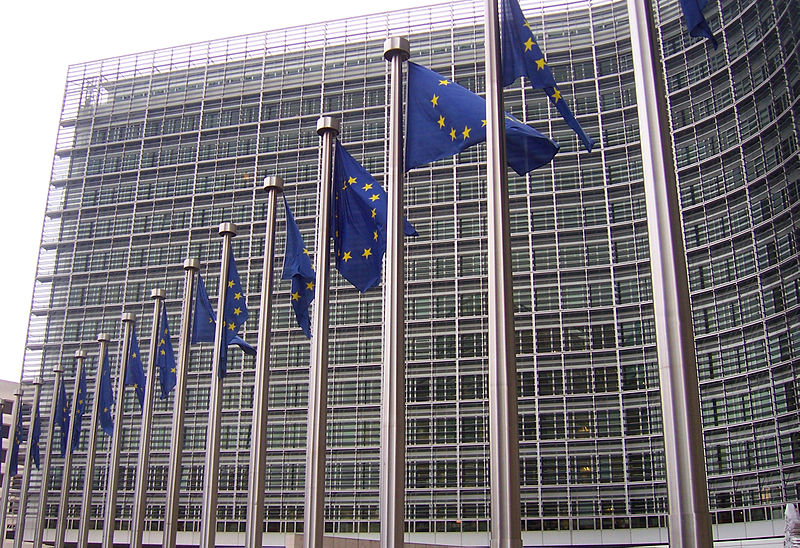
Ireland has one of the fastest ageing populations in Europe, according to new EU data. While the median age of the EU’s population increased by 2.2 years between 2014 and last year, Ireland’s increased by 3.6 years. The median population age across the EU is 44.7.
The median age in Ireland is 39.4 in Ireland chiefly because we had higher fertility rates on average for longer than most of the rest of the EU, resulting in a somewhat younger population. However, Ireland’s fertility rate is now 1.5, well below the replacement level of 2.1 and in line with the EU average.
A median age of 44.7 years means that half the population of Europe was younger than this while half was older. Across the EU, it ranged from 39.4 years in Ireland to 48.7 years in Italy.
The increases were recorded in all EU countries, except Malta (-0.7 years) and Germany (-0.1 years).
The ageing of the population was most pronounced in Greece, Italy, Portugal and Slovakia, with the median increasing by 4.0 years. The median age in Cyprus, Spain and Poland increased by 3.8 years.
Immigrants on average are only two years younger than the native-born population.
Compared with the native-born population, foreign-born people were overrepresented between the ages of 20 and 54, while they were underrepresented in both the younger and older age groups. In total, 59.7% of the foreign-born population was between the ages of 20 and 54, compared with 42.1% of the native-born population.