
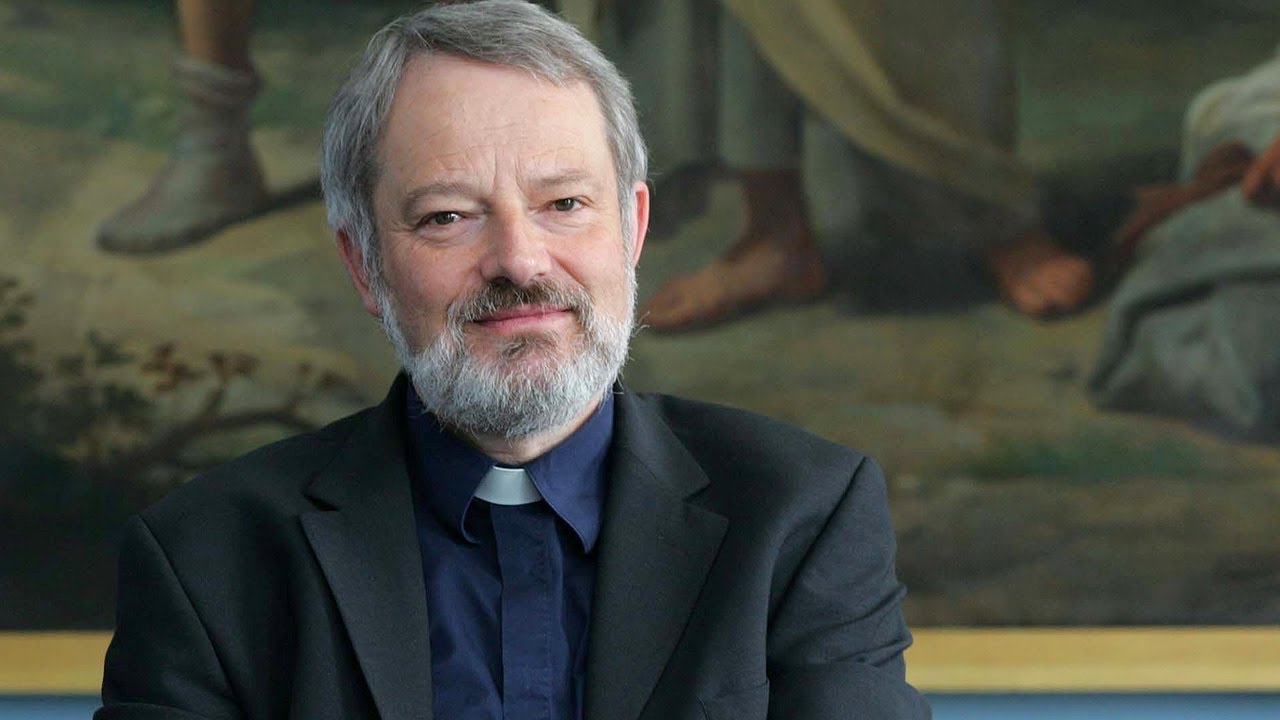
The Catholic Church in Ireland will reiterate its opposition to ‘assisted dying’ as it celebrates its annual Day for Life Sunday this weekend.
A special message commemorating the day says there has been much discussion about assisted suicide and euthanasia with a view to possibly legalising it. However, every country that has gone down this routes see numbers availing of it expanding along with grounds for eligibility.
Opposing such proposals, Bishop Kevin Doran said, people who are coming towards the end of their lives are vulnerable, and recent research shows that many feel themselves a burden on their loved ones and wider society.
“We are called to defend this gift of life to its natural end and to protect vulnerable citizens from a culture that could pressure them into assisted suicide”, he said.
“Far from abandoning people who are living with terminal illness, we need to surround them with the kind of love that enables them to live life as fully and as richly as possible for the time that is left to them”.
https://www.catholicbishops.ie/2024/06/11/bishop-doran-far-from-abandoning-people-with-terminal-illness-we-need-to-surround-them-with-love-that-enables-them-to-live-life-as-fully-as-possible/
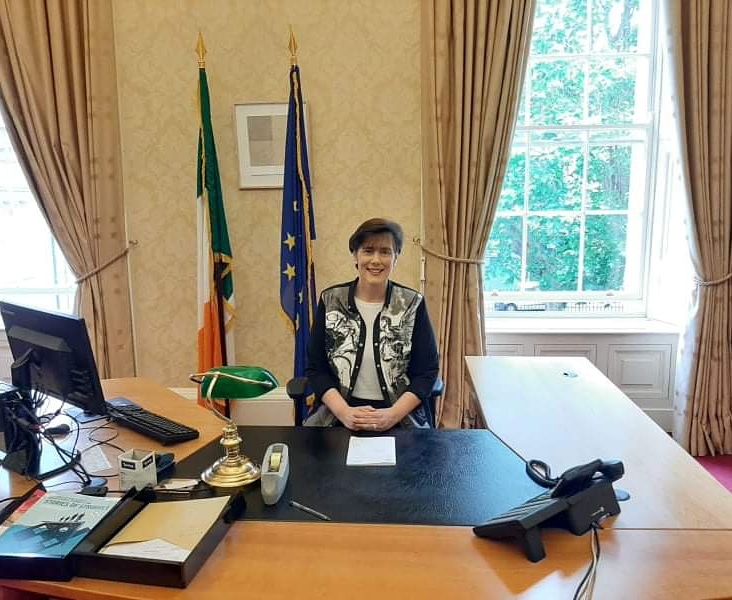
Parents of primary and preschool aged children will be invited to share their preferences on what type of school they want in their local area as part of “national conversation” on school choice.
The national poll, due to take place in the coming school year, will ask parents to state their preferences on school ethos (such as religious or multi denominational), gender mix (single sex or coeducational) and language (English-medium or Irish-medium). When parents are asked whether they want to divest their local Catholic school, they almost always vote to keep the status quo.
While there were plans to poll parents on school ethos alone, Minister for Education Norma Foley said an expanded poll is being planned to paint a more accurate picture of parental demand for types of education.
Ms Foley was speaking at a primary school in Dublin city centre, which is to become the first Catholic primary school in the State to change to Educate Together patronage.
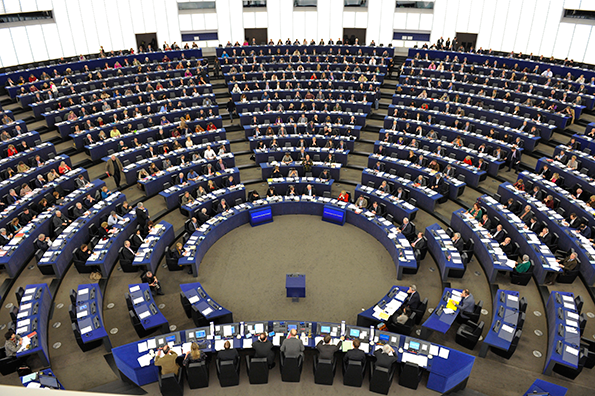
Combatting the “demographic winter,” policies that support work-family balance, and promoting digital safety for children are among a policy toolkit for the European Parliament announced by the Federation of Catholic Family Associations in Europe (FAFCE).
“These elections come as Europe faces a critical moment,” Vincenzo Bassi, president of FAFCE, told Catholic News Agency. “The demographic winter threatens a long-term existential crisis for the continent, as without children we have no future.”
“Birth rates have plummeted and the pandemic of loneliness has spread across the continent,” Bassi noted in the press release.
“We need our European institutions to dedicate resources and human capital to understanding its root causes as well as investing in a demographic spring for the continent,” he continued.
“Without intergenerational solidarity, we can’t begin to meet the many challenges in front of us,” he noted. “This requires families and children to be prioritized, without whom there is no future.”

The promotion of marriage for the renewal of British society should be a central concern of politicians running in the upcoming UK general election, according to a Catholic Bishop.
The Bishop of Shrewsbury, Mark Davies, noted that the “single most important factor” in the flourishing of children was the stability of the relationship of their parents.
He said that marriage has been diminished in recent years to one of many lifestyle choices, instead of being recognised as the bedrock of society.
The harm caused by family breakdown must lead “our elected representatives to have the courage and responsibility to recognise the central place of marriage in securing the good of society and of new generations”, Bishop Davies said.
At the annual diocesan Mass on 8 June in celebration of marriage, he told the congregation in Chester that the faithful would be right to expect candidates seeking their votes to take the place of marriage in society seriously.
More than 365 million Christians, approximately one in seven worldwide, face high levels of persecution for their faith, according to a top Vatican official, Archbishop Paul Richard Gallagher.
In his speech at a conference on religious freedom held in Rome, Archbishop Gallagher said attacks on churches and Christian properties “increased significantly in 2023, with more Christians than ever before reporting violent attacks.”
The prelate went on to describe his concern that “according to some estimates, almost 4.9 billion people live in countries with serious or very serious violations of religious freedom.”
The Vatican diplomat underscored that religious freedom, “although not the only aspect of human rights, is probably the most fundamental,” adding that “the violation of the right to religious freedom has the effect of undermining not only one right but also the entire category of human rights,” he added.
“Religious freedom plays a decisive role in achieving integral human development,” Archbishop Gallagher continued. For this reason, he added, “the state should exercise a detached neutrality and grant religious groups and all individuals an equal right to the public manifestation of their religious convictions.”

A new poll from Ipsos has found that support for same-sex marriage among Americans has fallen to just 51% approval.
The finding marks an eight-point drop since a peak for support in 2021, part of a steady decline following the rapid rise in approval around the time the US recognised same-sex marriage nationwide. When asked their opinion on same-sex couples in the new poll, 51% of Americans supported legal marriage, 14% supported some form of legal recognition besides marriage, and 18% supported no legal recognition.
The decline in support since 2021 is a major reversal from the years prior, when approval was consistently growing. In 2014, 46% of Ipsos respondents believed gay couples should be allowed to marry. That climbed to 59% by 2021, then dropped to 54% in 2023 and decreased a further three points this year. The post-2021 decline in support has been smaller than the pre-2021 rise, but it has occurred at a much faster rate.
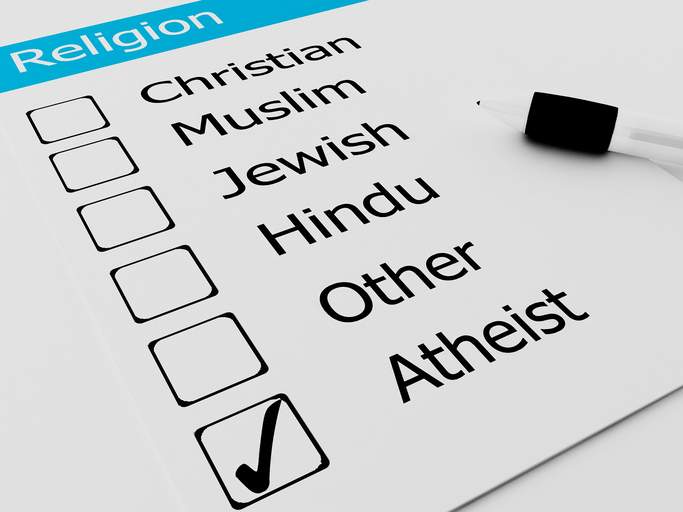
A total of 51.1% responded “no religion” in Scotland‘s Census 2022 – up from 36.7% in 2011, according to a new report released by the National Records of Scotland (NRS).
NRS said “no religion” was the most common response in every council area across the country, except the Western Isles and Inverclyde.
The “Church of Scotland” remains the largest religious group, but its numbers have continued to drop – from 42.4% in 2001 and 32.4% in 2011 to just 20.4% in the latest census.
The next largest religious groups were “Roman Catholic” (13.3%), “Other Christian” (5.1%) and “Muslim” (2.2%).
The number of people who described themselves as “Muslim” increased by 43,100 over the same period.
NRS said census data from England and Wales shows a “similar trend to Scotland”.
Census data from Northern Ireland shows an increase from 13.9% in 2001 (“no religion” and “no response” combined) to 17.4% in 2021 (“no religion” only).
The Irish Census for 2022 showed that 14pc of the population say that have “no religion”.
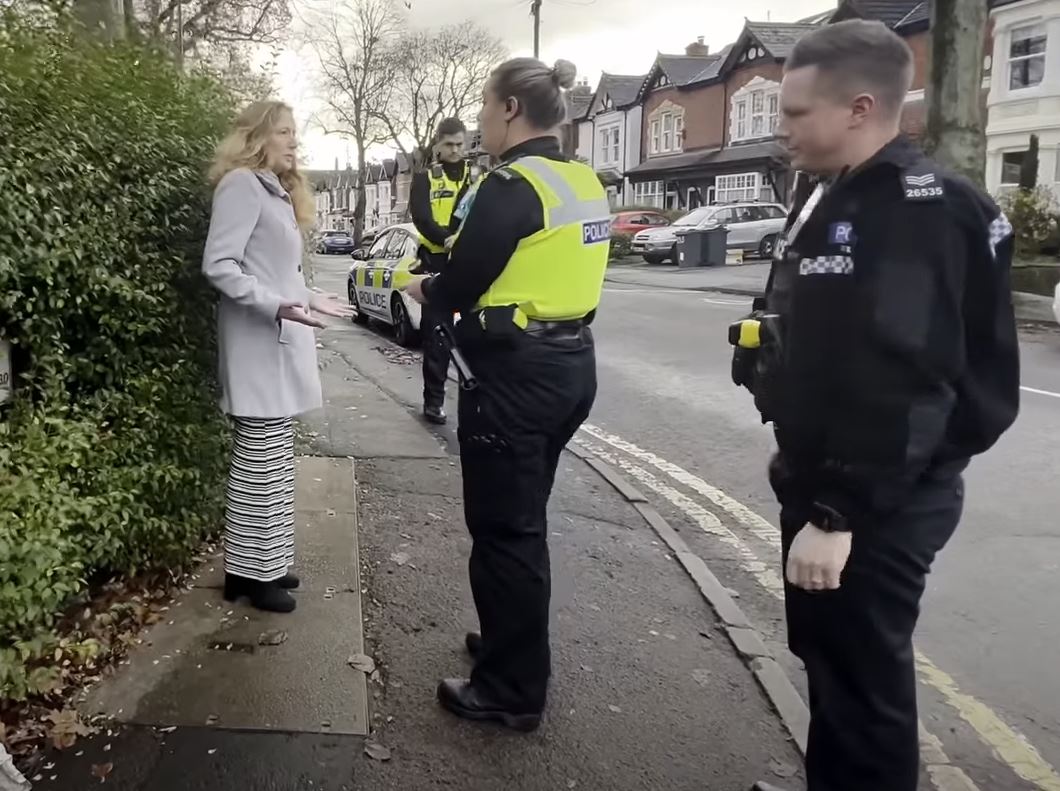
Christians in the UK are being marginalised, rather than persecuted, according to the Archbishop of Canterbury.
Most Rev Justin Welby made the remarks following his visit to the crypt of St Oscar Romero, a Catholic Archbishop in El Salvador who was assassinated in 1980.
“I think, being here now [in San Salvador], I wouldn’t use the word persecution,” Archbishop Justin said of the difficulties encountered by some Christians in the UK.
“But I would use words like marginalisation, like pushing people aside, discounting their views because they’re Christians and ignorant. Silencing the people who get got at because they’re preaching in the street. The people who are told that because of their Christian views, they’re not eligible for this or that job or position or whatever it happens to be.

Japan’s fertility rate hit a new record low of 1.20 in 2023, far below the replacement rate of 2.1, health ministry data showed today, prompting one Government official to label the situation ‘critical’. There were almost 850,000 more deaths than births.
The latest figure is 0.06 point down from the previous year and the lowest since the government started keeping records in 1947.
The fertility rate — the number of children a woman is expected to have in her lifetime — has been in decline for decades. The figure stood at 1.76 in 1985, then fell to 1.45 in 2015 and 1.33 in 2020 as more women choose to marry and start a family later in life.
The number of births hit a record low at 727,277, down 43,482 births from 2022. Marriages fell to 474,717, which is 30,213 fewer than 2022. The number of divorces rose to 183,808, or 4,709 more than in 2022.
Chief Cabinet Secretary Yoshimasa Hayashi said during a news conference that the nation’s depopulation trend was in a critical phase.

A new law could make Catholic priests in Hong Kong reveal what is said in the confessional, exposing thousands to trumped up charges of treason.
Under Article 23 – new legislation passed in March this year -priests could face a 14-year jail sentence if they refuse to reveal what is said to them by members of their congregation.
The news comes as the country marks the 35 year anniversary of protests at Tiananmen Square when the People’s Liberation Army cracked down on student-led protests and killed an unknown number of people.
Currently there are believed to be around 96.7 million Christians in China, out of China’s total population of around 1.4 billion.
The Chinese Communist Party’s want churches to fall in line with its official viewpoints and they are encouraged to praise and pledge allegiance to the Communist Party and its ideology.