
Many boys today, especially those from working-class backgrounds, are caught in a downward spiral, according to a recent report by the UK Centre for Social Justice (CSJ). They are spending more time on screens, less time with other people, less time outdoors, are doing worse at school and are less likely to flourish later in life, including in the workforce. Many feel lonely, cut off and unsure of themselves.
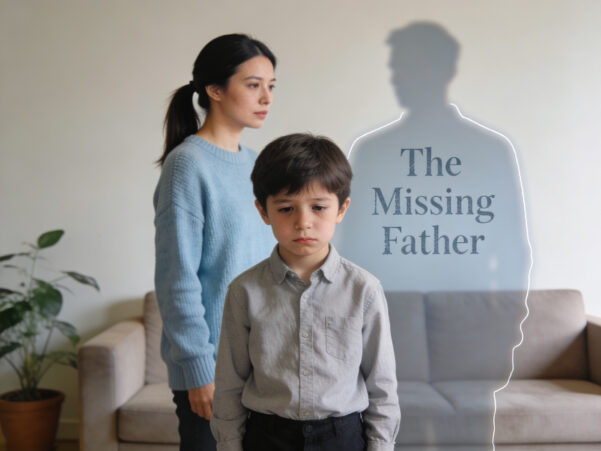
One factor behind the worsening prospects of many boys lies a simple and uncomfortable truth: too many boys are growing up without the guidance of a father or another stable male role model.
The CSJ’s report, titled “Lost Boys: mentors and role models”, is based in part on consultations with dozens of charities working directly with boys and young men. They said that many boys are growing up without strong male role models. Two and a half million children in Britain now live in a house without a father.
Here in Ireland, the “Watch Them Grow” report revealed that many lone mothers have no contact with the fathers of their children. Nearly 40pc of births here now take place outside of marriage. The absent or missing father is a problem in Ireland as well.
The charities consulted by the Centre for Social Justice repeatedly identified fathers as the most likely and most influential role model for boys. No-one denies the importance of mothers, but a lot of people now seem to overlook the importance of good fathers who can offer something distinctive: a model of male identity, and an example of how to channel strength, anger, responsibility and emotional struggle in constructive ways.
This matters because boys are often looking for an example of what kind of man they should become. Fathers help shape that picture. They are central to a boy’s sense of identity. A loving and steady father-son relationship can help a boy grow in confidence, emotional balance and self-discipline. Research mentioned in the report suggests that boys with positive father relationships are more likely to do better in education, in work and in relationships later in life. (1)
The opposite is also true. When fathers are absent, boys are more likely to struggle. Studies have found worse outcomes in education, employment, mental health and family life for boys who grow up without their fathers. Here in Ireland, the Family Support Agency reported that children raised outside marriage do worse on a range of measures than children raised by both of their parents even after various factors such as poverty are taken into account.
Family breakdown is a major part of this story.
In a different study, the Centre for Social Justice found that just two in ten poor white children now live with married parents, compared with almost six in ten poor children in non-white families. Stable family life does not solve every problem, but it clearly gives children a better foundation. Where fathers are present, involved and committed, boys are much more likely to thrive.
In Ireland, we rarely discuss this truth at all. It is yet another issue we prefer to bury our heads in the sand.
NOTE
(1) Sarah McLanahan et al, The Causal Effects of Father Absence, Annual Review of Sociology (2013); Hine et al, Teachers’ experiences of the impact of fatherlessness on male pupils (2022).