

Conflicting approaches to transgender healthcare will be showcased in Killarney next month as the town hosts two separate international conferences featuring mutually exclusive ways of helping people suffering with gender dysphoria.
Genspect, an organisation that aims to highlight the potential dangers of medical transitioning, will be hosting a “counter-conference” to the European Professional Association of Transgender Health (Epath) conference booked into Killarney’s convention centre between April 26 and 28.
Founded by Irish psychotherapist Stella O’Malley, Genspect said its conference will “challenge the evidence base for gender medicine, and describe the widespread damage that gender identity ideology has wrought.”
Among Genspect’s speakers are people who have detransitioned — Ken Zucker, a Canadian-American sexologist, Helen Joyce, the author of the book Trans, and Maya Forstater, an English researcher who won an employment case over her gender-critical views.
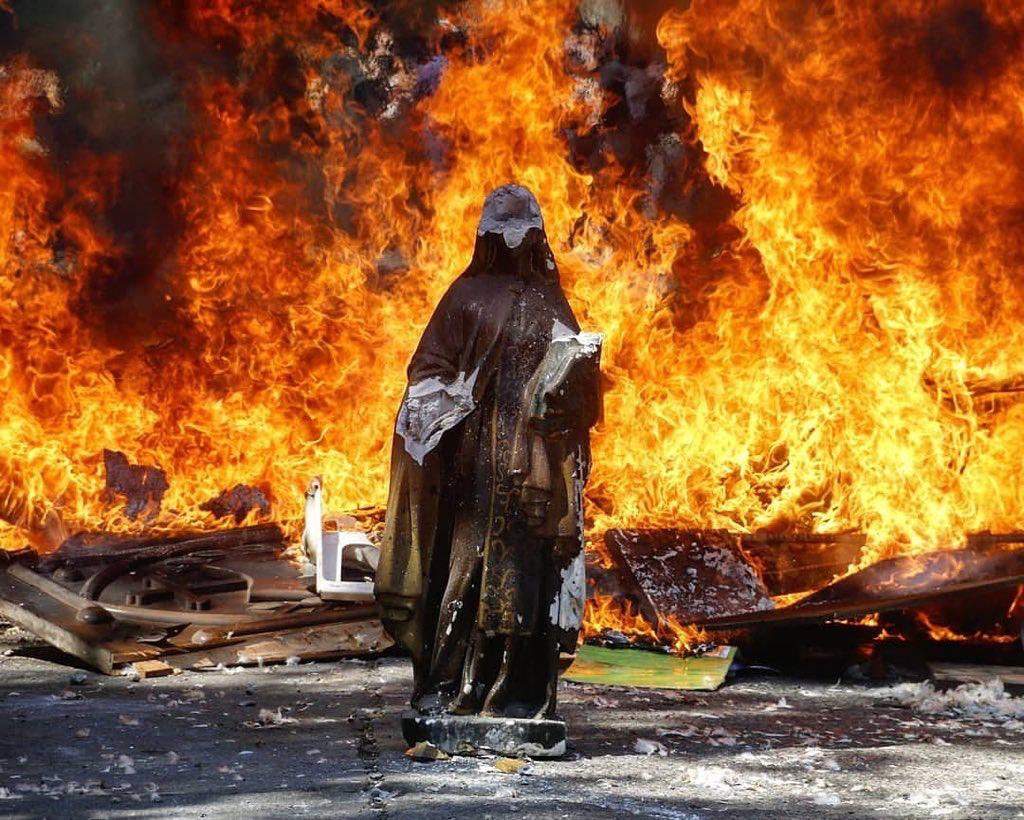
A Catholic Church in central Chile was attacked and set alight by a group of eight masked and armed men.
According to the Chilean press, the attackers left pamphlets and a banner claiming the attack and warning about future violent actions. “Every bullet you fire will be returned. Temucuicui resists.” The message was signed by a militant group that claims to defend the rights of the indigenous Mapuche people and has been responsible for other attacks in the past.
The flames consumed the building in a matter of minutes, earller this month, leaving the community, which is mostly made up of Mapuche families, without a formal place of worship. The small chapel had been built in 1952 by local villagers.
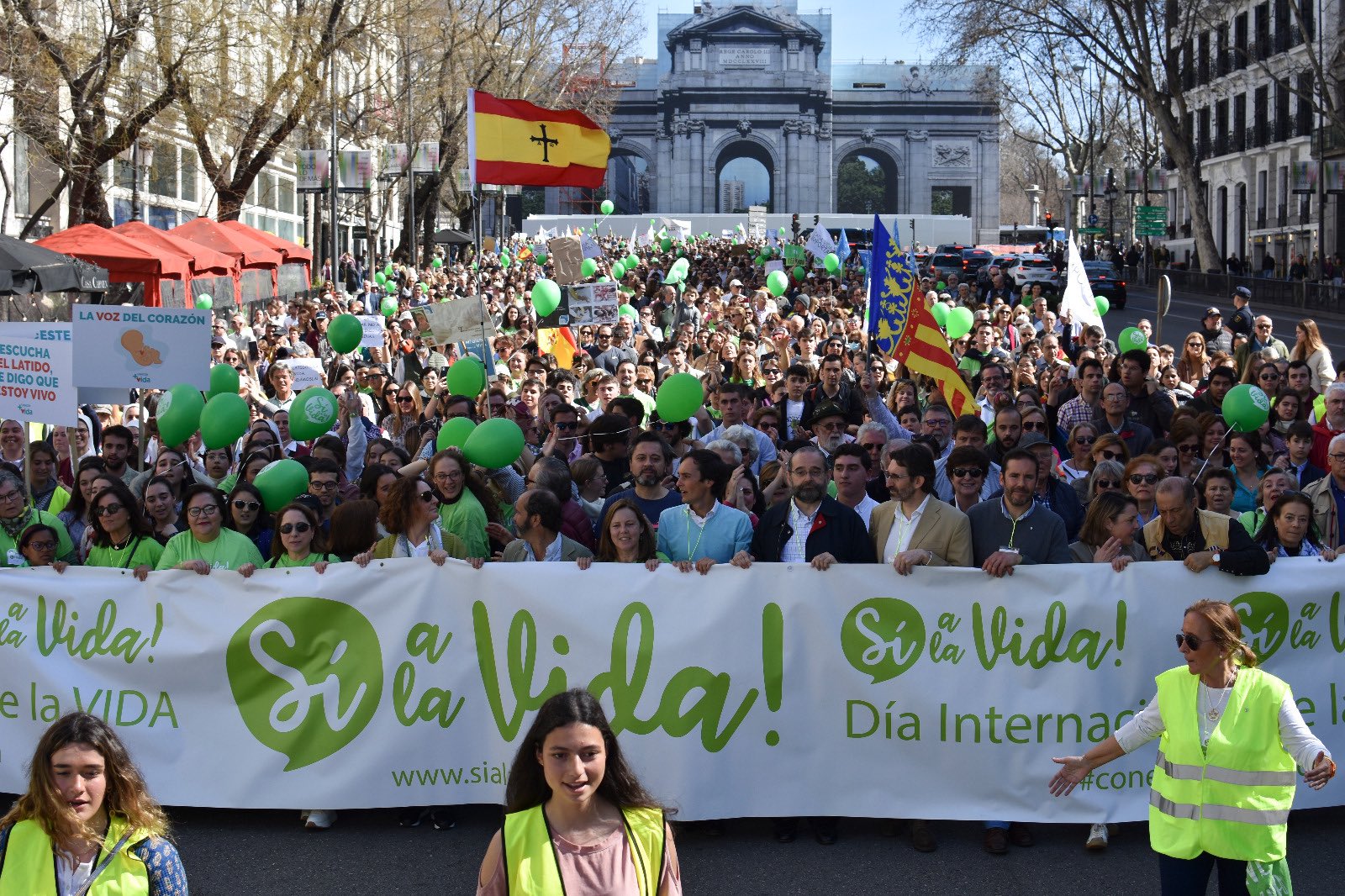
Thousands turned out for the Yes to Life march in Madrid, Spain, on Sunday, where the sponsoring organisations expressed their opposition to “all laws and practices that threaten life and human nature at any moment of its existence, as well as the businesses and ideologies that sustain them.”
The event was held this year somewhat ahead of the usual date of March 25, the International Day for Life, and was supported by more than 500 organisations that are part of the Yes to Life platform.
Various participants carried banners with messages such as “You can’t be a Catholic and support abortion,” “All life is a blessing from God,” “Live out your pregnancy, give life,” “Human rights begin in the womb,” “No mother regrets being one,” and “Abortion leaves women without options.”

The Norwegian Healthcare Investigation Board (UKOM) has ruled that national guidelines on the use of puberty blockers and gender-reassignment surgeries need to be revised to reflect the lack of sufficient medical evidence supporting such procedures.
Under the new guidelines recommended by UKOM, hormone therapy and gender-reassignment surgery for minors would be restricted to research settings and not made otherwise available.
“The knowledge base, especially research-based knowledge for gender-affirming treatment (hormonal and surgical), is deficient and the long-term effects are little known,” the agency’s report argues. “This is particularly true for the teenage population where the stability of their gender incongruence is also not known.”
UKOM is an independent governmental agency charged with investigating the Norwegian health-care industry to identify “factors that could have led, or could potentially lead, to harm for patients.”
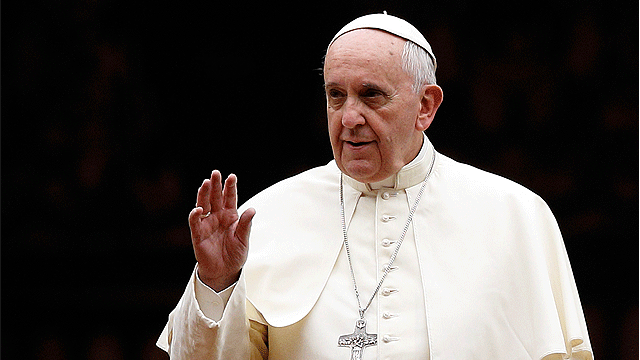
Pope Francis has said that gender ideology is “one of the most dangerous ideological colonisations” today.
In an interview with journalist Elisabetta Piqué for the Argentine daily newspaper La Nación, Pope Francis explained the reasoning behind his strong statement:
“Why is it dangerous? Because it blurs differences and the value of men and women”.
“All humanity is the tension of differences. It is to grow through the tension of differences. The question of gender is diluting the differences and making the world the same, all dull, all alike, and that is contrary to the human vocation.”
While he is not writing something on gender ideology, the pope said that he talks about the subject “because some people are a bit naive and believe that it is the way to progress.”
The pope noted that he always distinguishes “between what pastoral care is for people who have a different sexual orientation and what gender ideology is.”
“They are two different things,” he added.
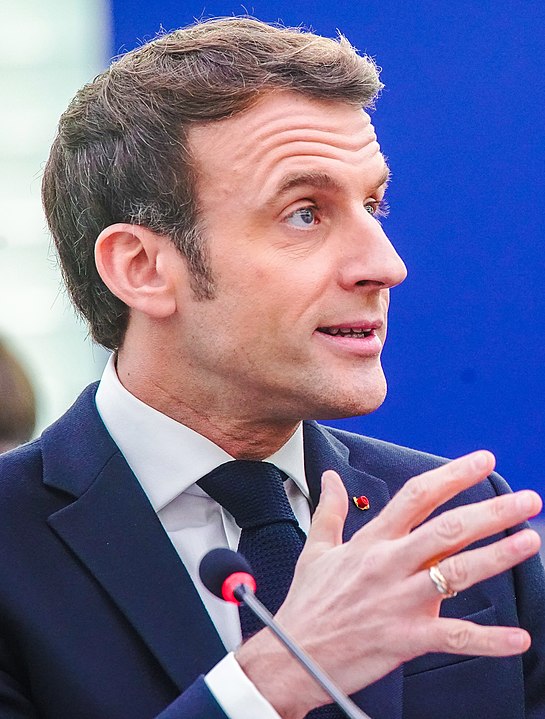
President Emmanuel Macron has said that a bill would be prepared “in the coming months” to give ‘iron-clad’ protection to abortion ‘rights’. In France currently there are more than 200,000 abortions annually.
“This will enshrine the freedom of women to choose abortion, and be a solemn guarantee that nothing can ever limit or abolish this right because it will have become irreversible,” Mr Macron said.
“The rights of women are always a fragile conquest,” he added.
A national law made abortion legal in France in 1975, and no serious threat to its legality exists today, but the overturning of Roe v Wade in the USA last year has prompted this French effort.
“Courts in other countries in the world have returned to the question of women’s rights because reactionary ideologues are seeking their revenge on the lawyers and activists who once made them retreat,” Mr. Macron said.
Macron was speaking at a national tribute for Gisele Halimi, a deceased feminist activist and abortion pioneer.
However, her son Serge Halimi, a journalist, stayed away from the ceremony, saying it came “at a time when the country is rising up against an extremely unfair pensions reform”.

The militantly anti-clerical president of Nicaragua, Daniel Ortega, has ordered the closing of the Vatican embassy in Managua and the Nicaraguan embassy to the Holy See in Rome, according to Reuters.
The government of Nicaragua said that it had proposed “a suspension of relations” with the Holy See, the Associated Press reported. Nicaragua recently sentenced a Catholic bishop, Rolando Álvarez, to 26 years in prison for ‘treasonous’ activities, something he has fiercely denied.
According to the AP, Vatican sources confirmed there had been a request from Nicaragua to shut down the two embassies.
The proposal to suspend relations between the Vatican and Nicaragua follows just days after Pope Francis likened Nicaragua’s Sandinista government to Nazi Germany in an interview. He also called Ortega “unstable.”
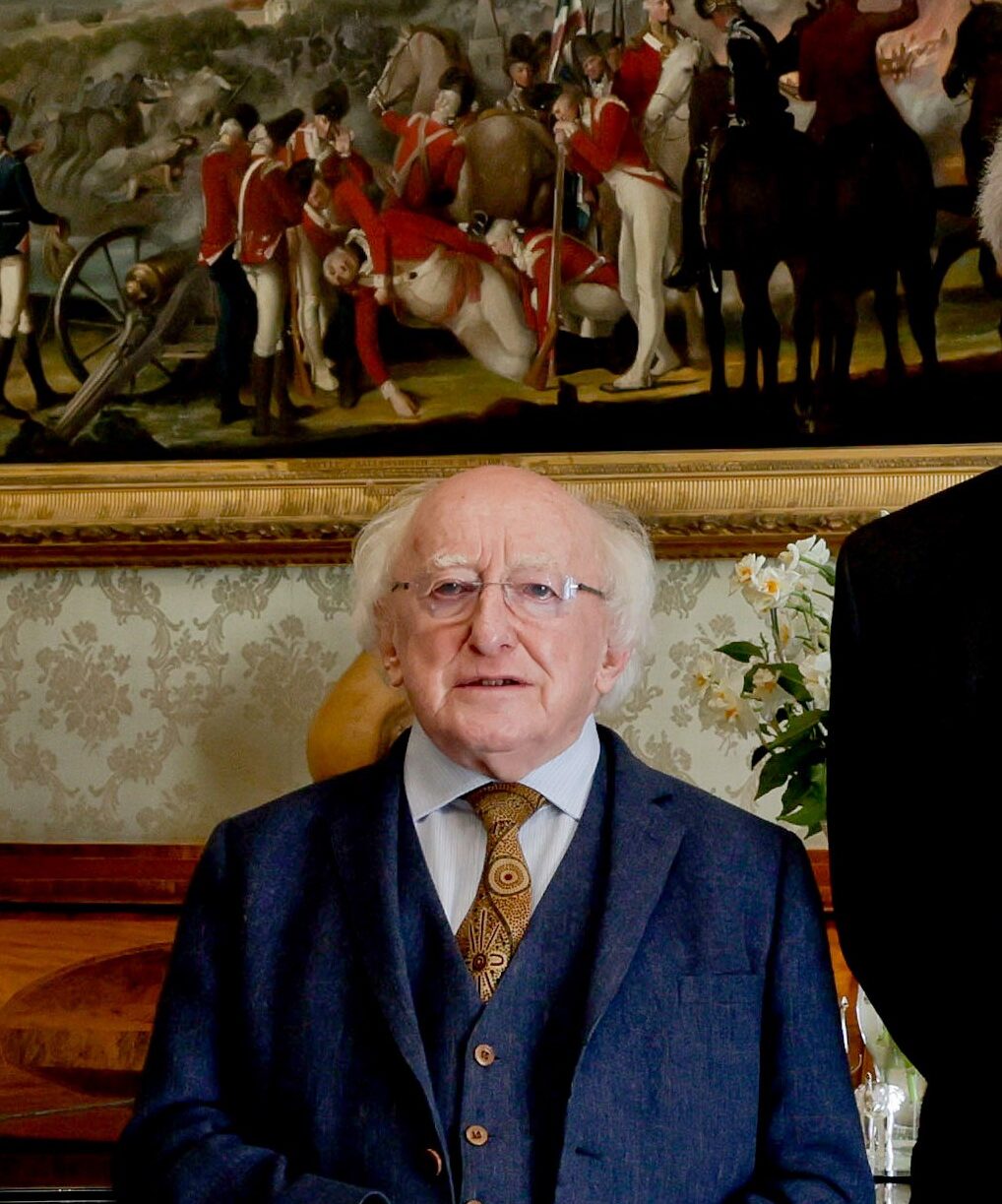
Schools should provide “basic information regarding sexuality in the fullest sense”, according to President Michael D Higgins. Traditionally, it has been extremely unusual for presidents to make public interventions of this sort.
His remarks comes amid a controversy about whether elements of a radical theory of gender, divorced from biology, should be forced into the primary school curriculum.
Speaking on International Women’s Day, President Higgins said there is a “need for the appropriate dissemination” of this information by those “responsible for providing education”.
He added: “The requirement for respect to be shown, and the right for it to be experienced, should be available to all. It is necessary that it be taught, encouraged, and its absence sanctioned.”
The President did not elaborate how or what kind of sanctions should be imposed on schools reluctant to teach gender ideology.
A Swiss prison inmate has reportedly ended his life with the help of the assisted suicide organisation EXIT – the first time this has happened in the country.
Local media reported that the inmate of Bostadel prison in the Zug canton died with the help of the assisted suicide organisation on February 28 in a procedure performed away from the prison.
The Canton’s Justice Department confirmed that it had given the go-ahead for the action.
It added that euthanasia cannot be denied simply because a person has been sentenced or is serving their sentence behind bars.
The Swiss Competence Centre for the Execution of Criminal Penalties has drawn up a document which states that internees have in principle the right to assisted suicide with the help of a third party. However, the agreement of the relevant justice authority is necessary in all cases before such a suicide can be performed.
This uptick is the first increase in the number of births in the EU since 2016.
Although the lockdown measures implemented throughout Europe during the COVID-19 pandemic had led to speculation as to whether these would lead to a ‘birth surge’, birth rates actually decreased in 2020, before rising again in 2021 in some countries.
This caused some scientists to believe people had simply waited for the initial shock of the pandemic to pass to have children.
France had the highest fertility rate in Europe, with 1.84 live births per woman, while Malta had the lowest at 1.13 live births per woman.