
A majority of Irish citizens (71pc) believe pornography is causing serious harm to society – while 81pc of young people believing it leads to more demands for violent sex, a new study from Women’s Aid reveals.
The research entitled “Time to Talk About Porn” includes statistics from a recent RedC poll which reveals that most of the Irish citizens polled believe porn is linked to gender inequality, unrealistic sexual expectations, sexism and normalisation of requests for sexual images as well as coercion and violence against women and girls.
Women’s Aid CEO Sarah Benson said the domestic abuse charity frequently hears from women accessing its services who believe that pornography is implicated in the “verbal, sexual and physical abuse they are subjected to by their male partners.”
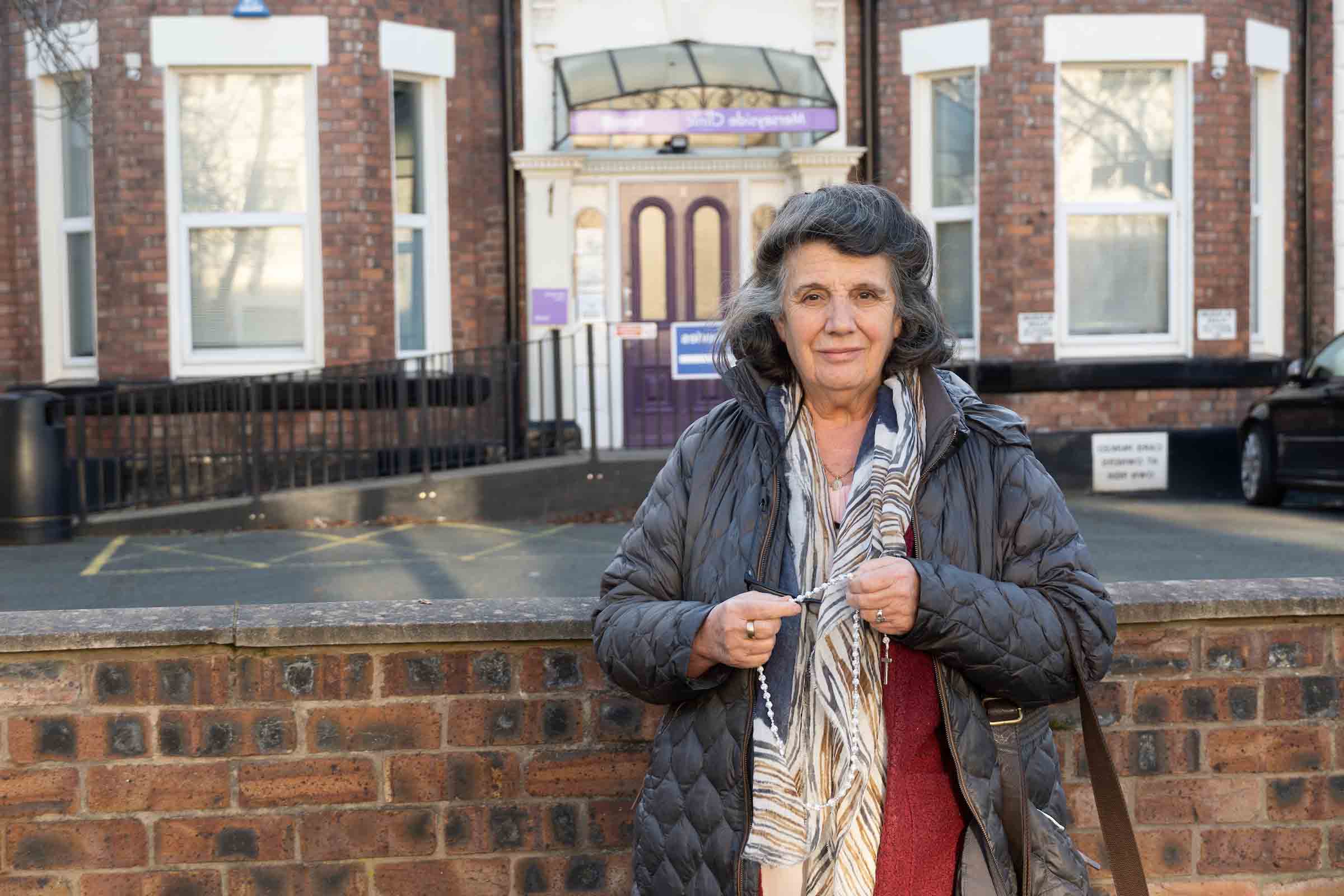
A legal complaint has been made against police who warned a woman to move away from where she was praying near an abortion clinic, even though she was outside of a so-called exclusion zone.
Livia Tossici-Bolt was praying quietly with a friend in a public space in Bournemouth when they were warned by Council “community safety” officers that their prayer could cause “intimidation, harassment or distress”.
With support from ADF UK, Tossici-Bolt subsequently filed a complaint against the authorities for breaching her freedom to pray on a public street.
“Everyone has the freedom to pray quietly in a public place. I would never dream of doing something that causes intimidation and harassment. We complied with the new rules instituted by the council and didn’t pray within the censorship zone. Yet nevertheless, these prayer-patrol officers tried to intimidate us out of exercising our freedom of thought and of expression – in the form of prayer -which has been a foundational part of our society for generations,” commented Livia Tosici-Bolt.
The warning came as parliamentarians raised concerns in Westminster this week that instituting exclusion zones around abortion facilities across the country (in clause 9 of the Public Order Bill) could create a “slippery slope” of increasing censorship in UK legislation.
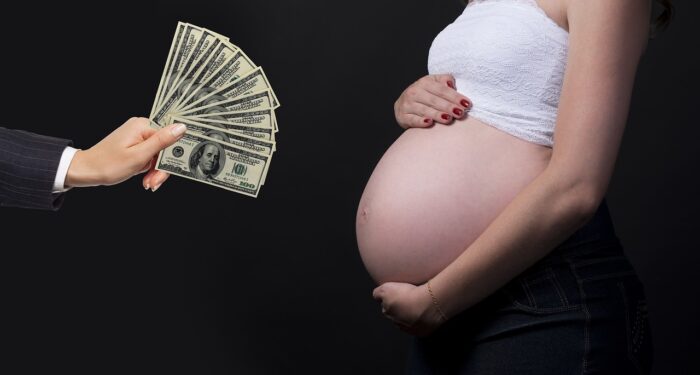
A Spanish website selling surrogacy services to French people will be banned in France by court order.
A 2004 law says a host who is given formal notice to remove illegal content is liable if he does not do so promptly.
But, the Constitutional Council previously specified that the responsibility of the host can only be engaged if the information denounced as illicit presents “manifestly” such a character, the litigation related to the point to know if the content of the Subrogalia company site was merely “unlawful” or “manifestly unlawful”.
In this decision, the Court of Cassation approves the Court of Appeal for having found the “manifestly illicit” nature of a site addressed to French people and offering surrogacy services.
Religious symbols across 200 State-run primary and secondary schools must in future be reflective of the “entire community” in a new blueprint for the sector. This may include 50 formerly Catholic schools now under the Education and Training Board (ETB).
It follows a decade-long consultation, and a review which highlighted confusion over whether some former vocational schools were “de jure multidenominational, but de facto Catholic”.
This stems from legally binding agreements with the Catholic Church, dating back to the 1970s, which oblige a quarter of these schools to maintain a Catholic ethos and provide students with religious instruction. Some of these schools, for example, still have graduation Masses, symbols from the Catholic faith only and facilitate visits from Catholic religious representatives.
However, under the ETB Ireland patrons’ framework on ethos, all State schools in future will be underpinned by five core values. Under the heading of “equality”, the framework states that this should be evident in the “visual images, resources and displays” used in schools. It adds that “religious and belief celebrations which take place throughout the school year are equitable in relation to symbolic representation, time spent and emphasis”.
Where religious symbols are displayed, it says they should be “reflective of the religions and beliefs of the entire school community” and that the community is consulted on the identification of such symbols.
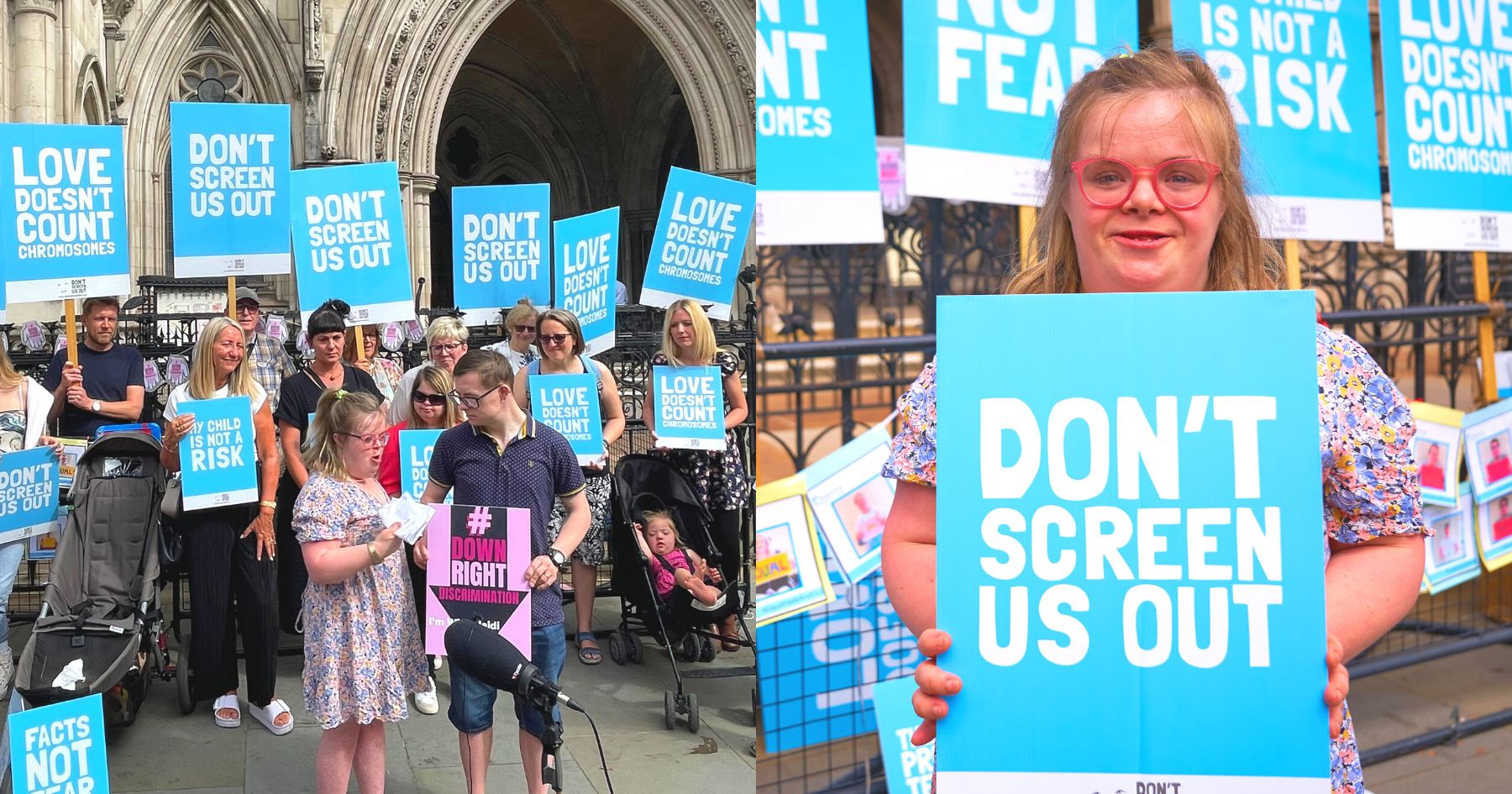
The UK’s Court of Appeal has rejected a landmark case against the UK Government which says that the law allowing abortion up to birth for Down’s Syndrome is discriminatory.
Heidi Crowter, the 24 year old woman with Down’s Syndrome behind the case is now considering seeking permission for it to be taken onto the Supreme Court.
A large group of people with Down’s syndrome and their families had rallied outside the Court today in support of the appeal.
Paul Conrathe, the claimant’s solicitor called the judgement “disappointing and perplexing”.
“Rather than affirming the equal value of those with disabilities, it further adds to the stigmatisation they suffer. This is for the simple reason that the court concluded that the perceptions of people with disabilities about a law which allows the ending of a life because of disability are irrelevant. Yet the law protects the unborn without disabilities, leading to the understandable perception that disabled lives are of lesser value or no value at all”, he said.
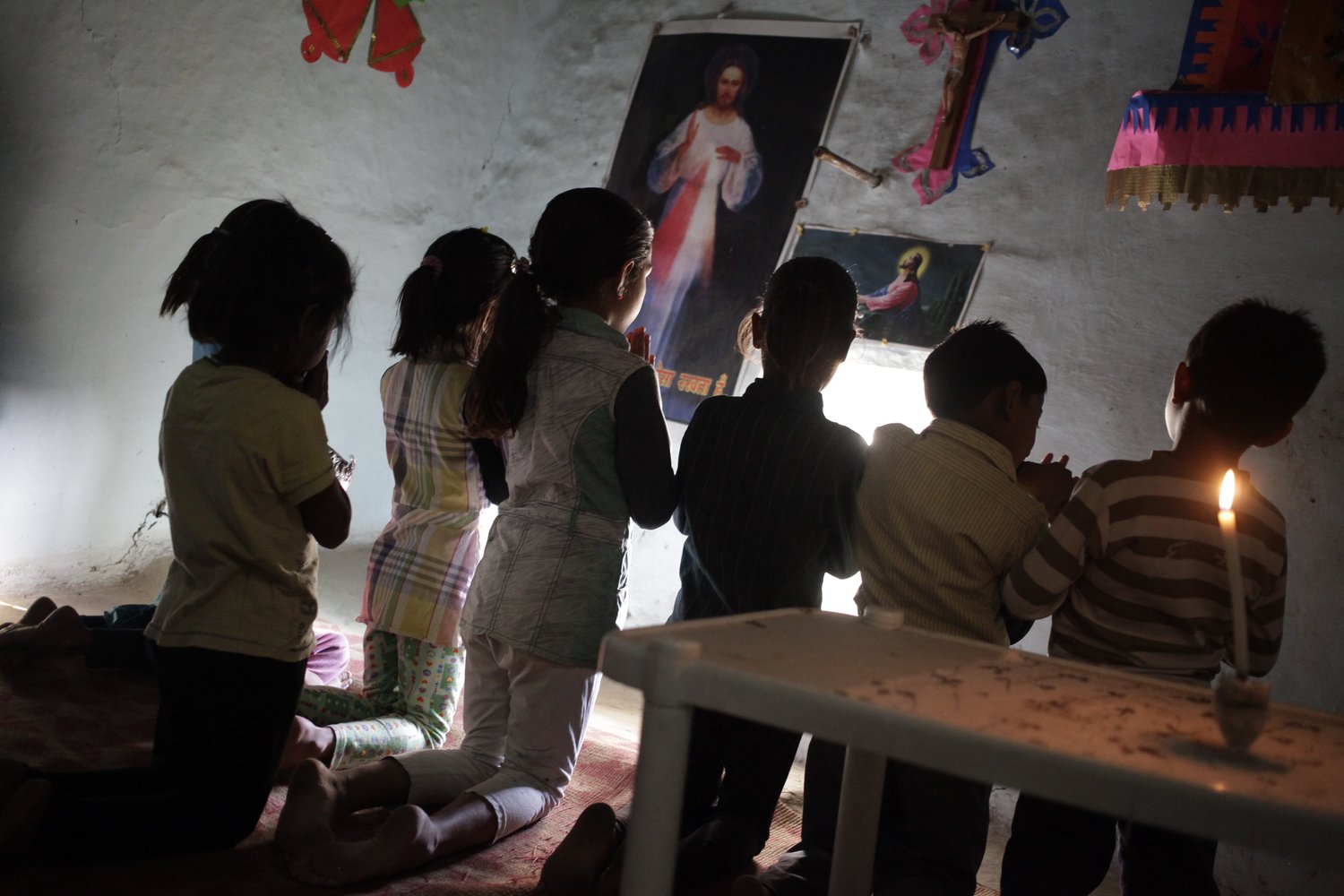
The Supreme Court of India has asked the government to tackle the issue of “forced conversions”, prompting a leading Catholic archbishop to warn that freedom of religion is at stake.
On Monday, the Supreme Court directed the government to handle the “very dangerous” issue of forced conversions, saying the issue may “affect the security of the nation”.
Hindu nationalists often accuse Muslims and Christians of ‘targeting’ marginalised low caste and Tribal Hindus to convert through illicit means, such as offering them food or money.
Several states have already passed anti-conversion laws, which impose fines and jail terms for anyone convicted of a “forced conversion.”
However, Archbishop Peter Machado of Bangalore said there is a problem with “wild accusations against Christians”.
Father Anand Mathew, a Varanasi-based priest engaged in interfaith dialogue, said anti-conversion laws are used to harass Christians. “The truth is that so many Christians have been harassed and persecuted in the name of this very stringent and cruel law. But till today no one has been found guilty of this. No conviction has taken place,” he told Crux.
“So this is a myth created of forced conversions which is very unfortunate that the Supreme Court, the topmost institution of the country and the judges there also have fallen victim to this,” the priest said.
It made the call in its submission to the Review of the Health (Regulation of Termination of Pregnancy) Act 2018.
The legislation allows for abortion in cases where two medical practitioners form a reasonable opinion the child will likely die before, or within 28 days, of birth.
It has also recommended the mandatory three day waiting period be removed, saying time can cause delays in accessing services and affect the completion of care, especially if the initial termination of pregnancy fails and the woman is close to the 12 weeks gestation limit.
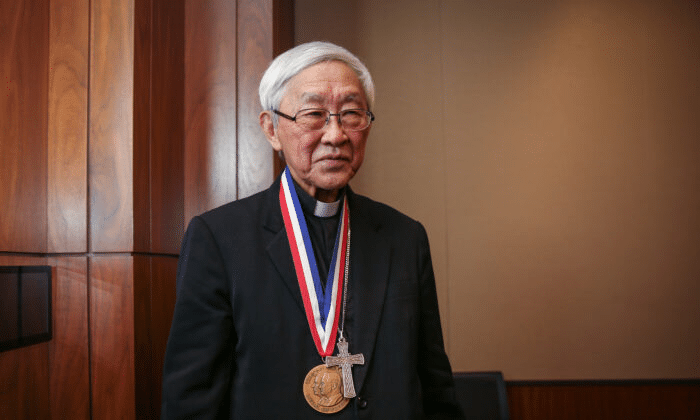
The verdict in the trial of Cardinal Joseph Zen, the 90-year-old former bishop of Hong Kong, is expected to be handed down tomorrow (Friday).
He is one of six pro-democracy advocates arrested under Hong Kong’s national security law.
All six have pleaded not guilty to charges that they failed to register a fund that helped Hong Kong pro-democracy protesters pay for their legal fees and medical treatments.
Senior Counsel Robert Pang defended Zen in court and argued last month that imposing “criminal sanctions on the failure to register must be an infringement of freedom of association.”
Pang has also represented Jimmy Lai, a Catholic pro-democracy advocate and former publisher of Hong Kong’s Apple Daily who has been jailed since December 2020 for violating the same national security law.
Lai’s trial is scheduled for December 1.
In a recent interview, Hong Kong’s current bishop said that the Catholic Church has “not remained idle” in the face of challenges posed by the national security law.
At least 21 countries have urged India to improve its protection of freedom of religion, with several raising concerns over the government’s adoption of discriminatory policies such as “anti-conversion” laws.
The issues were raised during a recent UN sponsored Universal Periodic Review (UPR) process and were highlighted again on Monday by six international human rights groups.
The Hindu nationalist Bharatiya Janata Party (BJP)-led government of Prime Minister Narendra Modi has taken various legislative and other actions that have made it lawful to discriminate against religious minorities, particularly Muslims, and enabled violent Hindu majoritarianism, the groups said.
At least 10 Indian states forbid forced religious conversion, but they misuse the laws to target Christians.
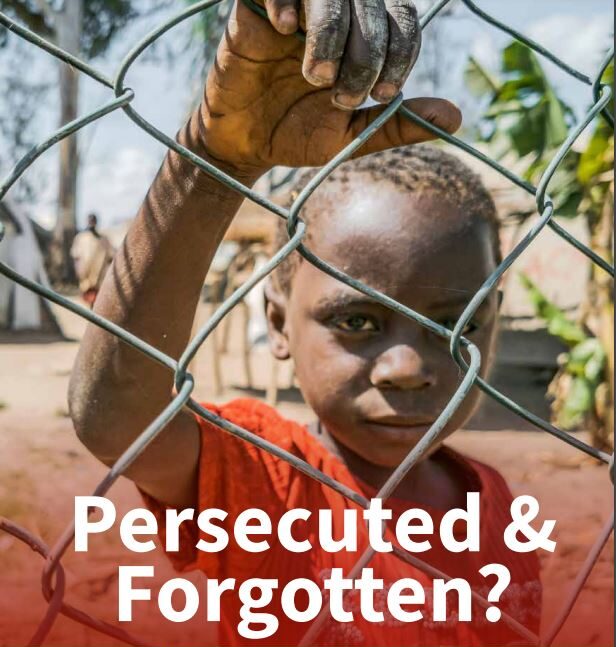
An international Catholic charity has released a major report highlighting the worst examples of Christian persecution over the last two years.
Aid to the Church in Need, Ireland, launched the report on Red Wednesday, the annual day when ACN raises awareness of the plight of persecuted Christians and encourages prayer on their behalf.
‘Persecuted and Forgotten? A Report on Christians oppressed for their Faith 2020-22’, highlights some of the most shocking examples of Christian persecution, from massacres in Nigeria and Ethiopia to the abduction of Christian girls in Pakistan to the arrest of Cardinal Zen in China.
Among the key findings, in 75 percent of countries surveyed, the oppression or persecution of Christians increased. In Africa, the situation of Christians worsened in all countries reviewed, amid evidence of a sharp increase in genocidal violence from militant non-state actors, including jihadists.
In the Middle East, continuing migration deepened the crisis threatening the survival of three of the world’s oldest and most important Christian communities located in Iraq, Syria and Palestine.
In Asia, state-authoritarianism has been the critical factor causing worsening oppression against Christians in Burma (Myanmar), China, Vietnam and elsewhere. At its worst, freedom of religion and conscience is being strangulated, as in North Korea.
Elsewhere in Asia, religious nationalism has caused increasing persecution against Christians in Afghanistan, India, Pakistan and elsewhere.