A ruling by the European Court of Justice requiring member states to recognise same-sex marriages completed in other EU nations has been criticised by Catholic leaders.
In a statement, the presidency of the Commission of the Episcopates of the European Union (COMECE) said the ruling contradicts EU guarantees of the autonomy of national judiciaries to determine their own policies on matters such as marriage and family life.
They said it also opens the door to further skepticism and hostility toward Europe at a time when the continent’s role in global affairs is facing unprecedented challenges.
“We note with worry the trend to apply provisions that should protect sensitive components of national legal systems in a way that impoverishes their meaning,” COMECE said following a meeting on the matter.
The ruling is problematic because it imposes acceptance of same-sex marriage, even on more traditional member states, for many of whom “the definition of marriage forms part of their national identity.”
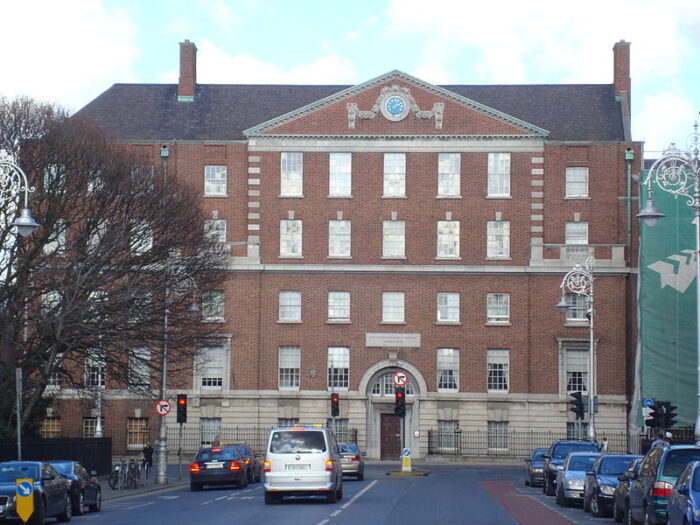
The head of the HSE has issued an “unequivocal” apology and said an independent review will take place into the case of a couple who agreed to have an abortion after being wrongly advised that their healthy unborn baby had a so-called ‘fatal foetal abnormality’.
Rebecca Price and Pat Kiely were told that a blood test when Ms Price was 12 weeks’ pregnant with their first child in early 2019 was positive for Trisomy 18, a serious and rare genetic disorder, also known as Edwards’ Syndrome.
A further rapid result polymerase chain reaction (PCR) test carried out in a Glasgow laboratory also showed Trisomy 18 had been detected.
Ms Price and Mr Kiely said they followed the advice of their consultant and terminated the unborn child’s life in March 2019.
The results of a full cell culture test, however, showed that the baby did not have the condition.
In 2021, the couple settled High Court actions with medical consultants operating at the Merrion Fetal Health Clinic, the National Maternity Hospital and a Glasgow laboratory admitting full liability.
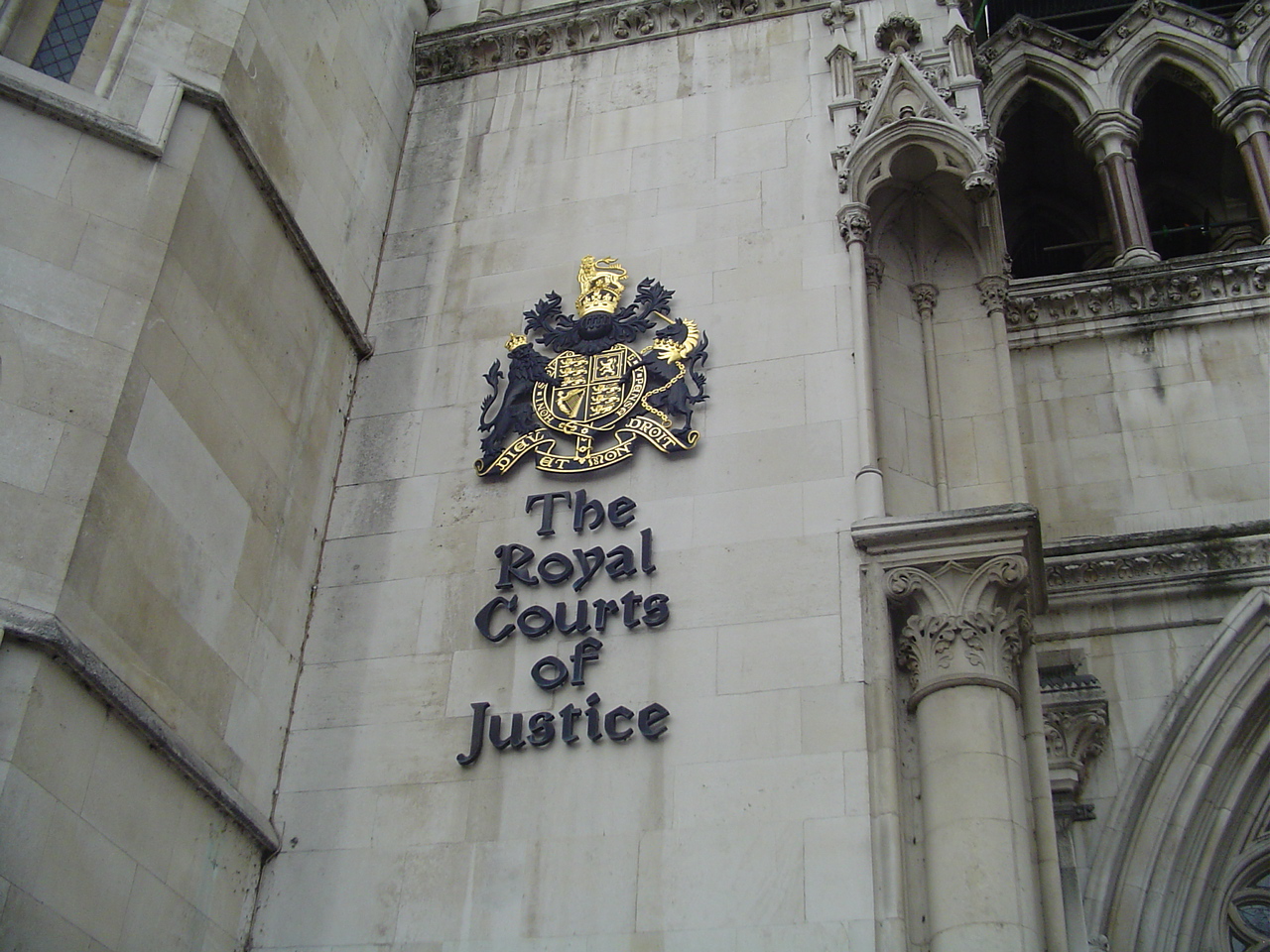
A retired pastor is being prosecuted in Northern Ireland under abortion buffer zone laws for an open-air sermon on God’s love for humanity, even though abortion was never mentioned.
76-year-old, Clive Johnston, a former President of the Association of Baptist Churches in Ireland, is facing two charges for holding a Sunday service on the fringes of a buffer zone on the other side of a dual carriageway from Coleraine’s Causeway Hospital on 7 July last year.
According to the Act, it is now a criminal offence for people to be “impeded, recorded, influenced or to be caused harassment, alarm or distress” within 100-150m of hospitals or clinics that offer abortions.
The Pastor spoke on John 3:16, a famous Bible verse that states, “For God so loved the world, that he gave his one and only Son, that whoever believes in him shall not perish but have eternal life”.
Crucially, it is not alleged that he even mentioned abortion. Nor were there any abortion placards or banners.
If convicted, the grandfather of seven, who has never been in trouble with the police, faces a criminal record and maximum fines totalling thousands of pounds.
This is an 84% increase compared to the year ending 31 March 2021, when there were 1,574 abortions.
There was a 103% increase in late abortions at 13 weeks and over, with 154 abortions occurring at 13 weeks and over, up from 76 for the year ending 31 March 2024.
The statistics show that there was also a 19% increase in disability-selective abortions for ‘non-fatal disabilities’ from the year ending 31 March 2022. Under ground E of the 2020 Regulations, babies with Down’s syndrome, cleft lip and club foot can be aborted right through to birth.
There was also a 61% increase in abortions for girls under 18 years old from the year ending 31 March 2021.
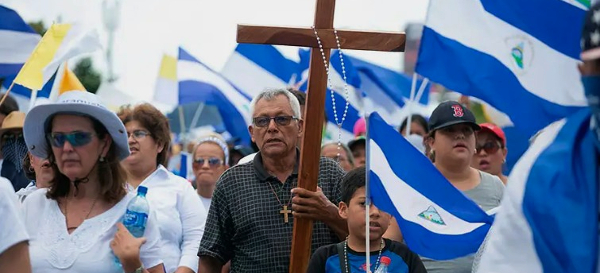
A proposed bill to intensify a crackdown on public displays of religion, including prayer, would radically infringe the rights and freedoms of the people of Quebec, according to the province’s Catholic Bishops.
Bill 9, introduced by the governing Coalition Avenir Québec (CAQ) on Thursday, bans prayer in public institutions, including in colleges and universities. It also bans communal prayer on public roads and in parks, with the threat of large fines for groups in contravention of the prohibition.
Short public events will require prior approval to be exempt.
“This latter point is particularly worrying, as we have long considered that secularism concerns not relations within society, but the relationship between the state and religions”.
Committed secularists who oppose Christianity in schools fail to see their own principles depend in large part on wisdom born of the faith.
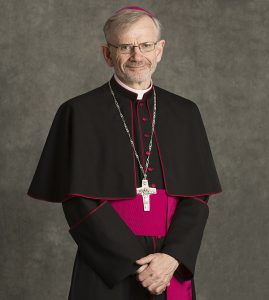
That’s according to the Bishop of Down and Connor, Alan McGuickian.
Bishop McGuickian was commenting on a recent ruling of the UK Supreme Court that state schools in Northern Ireland should not be teaching Christianity ‘as true’.
Bishop McGuckian, however, said he wanted to challenge the principle that Christianity should be given no priority at all in schools, saying it, “is simply ungrounded, unreasonable and illogical.”
“Those who seek to have Christianity sidelined in our shared society are cutting off their noses to spite their face. The very values and principles on which they base their case are rooted in western civilisation which owes a great debt to the teachings of Christianity.”
“The idea of the rights of the individual to be free from coercion, all the freedoms contained in the various charters of human rights, are based on and stem from the biblical teaching that every single person is created ‘in the image and likeness of God’.

The UK’s National Trust has refused a documentary-maker permission to film at a historic site in Northumberland associated with the life and legacy of St Cuthbert due to the filmmaker’s “religious affiliation”.
Christian Holden, who specialises in documentary and promotional work with Christian themes, was commissioned earlier this year to produce a work exploring the Way of St Cuthbert.
He sought permission from the National Trust, a charity dedicated to preserving the UK’s historic cultural legacy, to film at St Cuthbert’s Cave, traditionally believed to be the place where St Cuthbert’s body was laid in 875 AD.
However, the National Trust declined the request, citing a policy against filming with “religious affiliation”. The Trust also expressed disapproval of Holden’s website, saintant.com, because of its religious themes.
The refusal comes in the wake of criticism of the Trust for sidelining Christian heritage in its public programming and internal culture. The shift risks marginalising the country’s foundational Christian history, which has significantly shaped Britain’s culture, architecture and national identity.
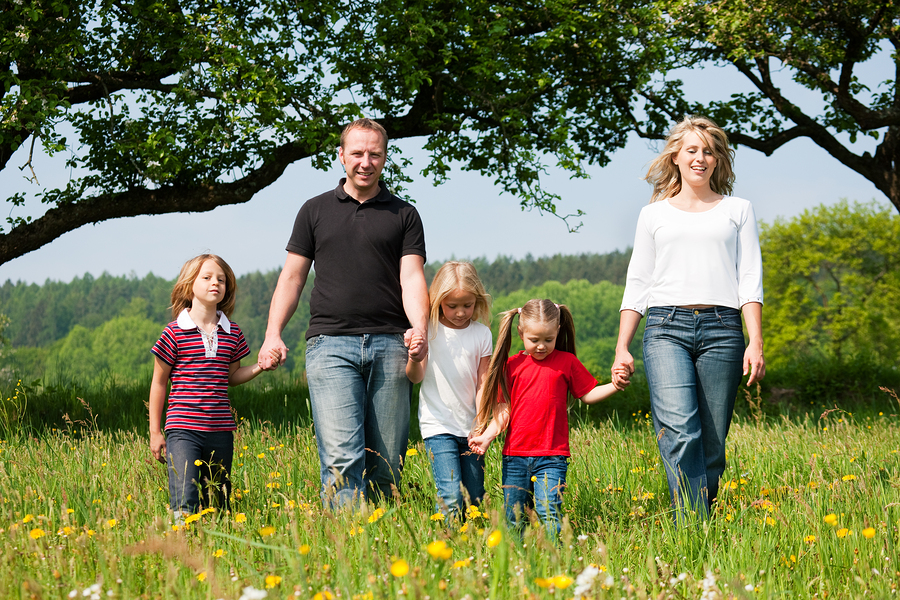
The Catholic Bishops of England and Wales have welcomed the UK government’s decision to scrap the two-child cap on allowances and tax credits for children.
Bishop Richard Moth said that the policy, instituted by the Conservative Government in 2017 directly pushed many families into poverty and created anxiety for low-income, working families who had no choice but to claim social welfare [Universal Credit] as a result of job loss or the onset of disability.
“Repealing this policy, although overdue, comes at a significant cost to the government and we applaud that decision”, he added.
“Large families are a blessing rather than a burden. We must consider how, in a variety of ways, we can support the flourishing of families which are necessary to secure the future of our society.“
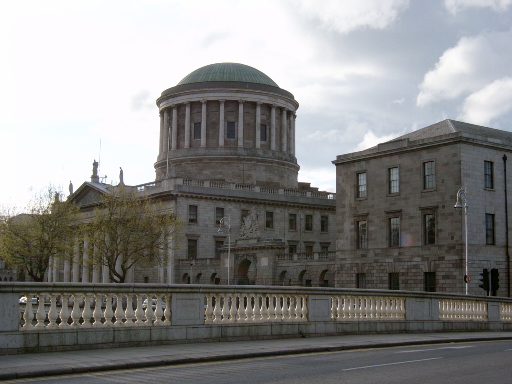
The High Court has allowed the HSE to terminate the pregnancy of a minor, despite a similar case in the past resulting in another minor becoming suicidal after her abortion.
The HSE submitted the application in October, claiming the continuation of the pregnancy posed a risk to the teenager’s life and that she was not capable of making the decision herself.
The ruling was made when the girl, who is residing at an IPAS centre, was 14 weeks pregnant, placing her past the 12-week period during which abortions are permitted for any reason.
It was claimed that she had made a number of threats to harm herself if the pregnancy wasn’t ended.
This tragic case evokes memories of the C case, that happened prior to Repeal, where a minor in care was brought to England for an abortion on identical grounds as the present case.
The girl at the centre of the C case ended up deeply regretting the abortion and went public to say that she developed serious mental health issues to the point of becoming suicidal when she realised that her baby was dead.

The Church in Ireland is suffering under a ‘soft persecution’ with an anti-Catholic bias infecting media portrayals of it both north and south of the border.
That’s according to Fr Timothy Bartlett who has served in prominent leadership roles in the Church including the World Meeting of Families in Dublin in 2018 which culminated in the visit of Pope Francis.
Speaking to the Belfast Telegraph he gave as an example the tendency to equate all institutional sexual abuse with the Catholic Church. He also instanced a tendency to dismiss what the Church has to say on any subject, even concern for the environment, by continually referring to the sex abuse crisis.
Fr Bartlett also mentioned that on almost every issue, particularly with BBC Northern Ireland, there was “a lack of understanding of Catholicism”. He made his comments as the BBC is embroiled in controversy over liberal/left ideological bias within the station.
As if to confirm the charge of journalistic carelessness about matters Catholic, the Belfast Telegraph described Fr Bartlett as having worked with the “Primate of All-Ireland Cardinal Sean Daly”. They appear to have combined the names of the late Cardinal Cahal Daly and the retired Cardinal Sean Brady.