A record rate of abortions by residents of England and Wales was registered for 2019.
The percentage of conceptions leading to a legal abortion among all women in England and Wales increased from 24.0% in 2018 to 25.2% in 2019, according to the Office of National Statistics (ONS).
This means that for every three live births there was one abortion.
The total figures showed that 207,384 of the 821,809 pregnancies conceived by residents of England and Wales in 2019 ended in abortion.
The abortion rate is the highest percentage of pregnancies to end in abortion since records on this figure began in 1990 in England and Wales, and marks the first time the figure has exceeded 25 per cent.
An already reported further rise in abortions in 2020 indicates the rate for that year may be even higher than 2019’s record rate.
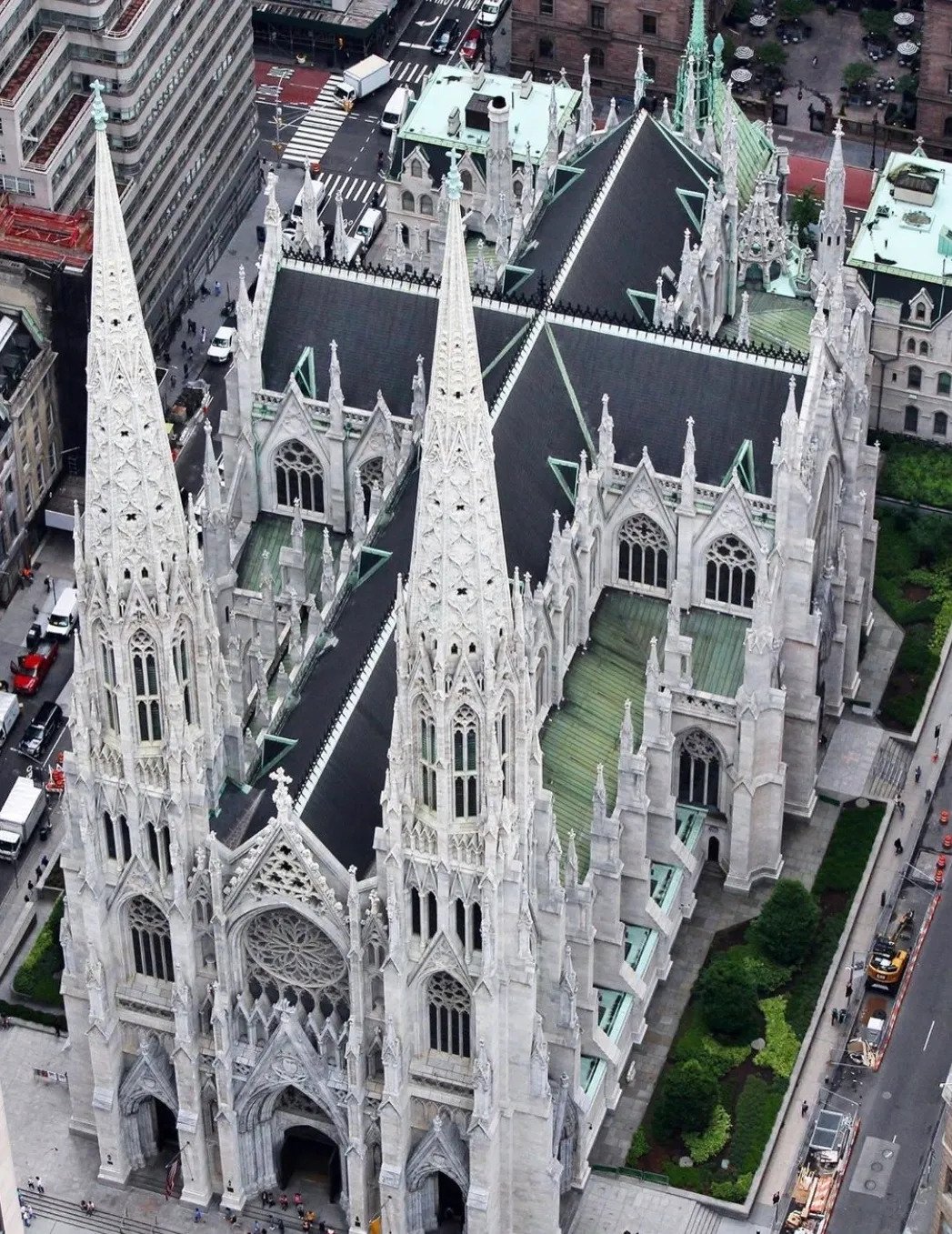
The Archdiocese of New York has instructed priests not to grant religious exemptions for Covid-19 vaccines, saying that doing so would contradict the pope.
“There is no basis for a priest to issue a religious exemption to the vaccine,” stated a memo from the archdiocese’s chancellor, John P. Cahill.
“Pope Francis has made it very clear that it is morally acceptable to take any of the vaccines and said we have the moral responsibility to get vaccinated. Cardinal Dolan has said the same,” the memo stated.
By issuing a religious exemption to the vaccine, a priest would be “acting in contradiction to the directives of the Pope and is participating in an act that could have serious consequences to others”.
Vaccine mandates have begun to be announced at places of employment in the United States. The Catholic health care network Ascension will mandate coronavirus vaccination for employees, physicians, volunteers, and vendors, although it has promised some health-related and religious exemptions.
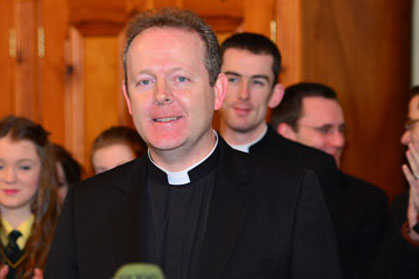
The Catholic Archbishop of Armagh has said he would like to see an end to growing hostility towards Christians in Ireland.
Speaking to the St Patrick’s Podcast, Archbishop Eamon Martin was asked what he would like to banish from Ireland in the spirit of the saint.
“If I think of when St Patrick became angry, he was angry with the soldiers of Coroticus for attacking his newly baptised Christians, for taking them off into slavery, for killing some of them, for assaulting them. I think I would like to ban persecution of people for what they believe in,” he said.
“I mean there’s a lot of people in Ireland today who want to live the Christian faith, who want to be Catholic, who want to publicly profess their Catholic faith and feel they cannot do so because of ridicule, because, in some cases, of downright oppression of what they believe in, and perhaps verging on forms of persecution. I would like to ban persecution from Ireland.”
A report claiming the Government had scrapped promised laws to introduce so-called “safe access zones” outside maternity hospitals and clinics providing abortion was quickly denied by the Health Minister, Stephen Donnelly.

A group of university staff have objected to the use of a Catholic resource for relationships and sexuality education (RSE) recommended for Catholic schools mainly because it reiterates Catholic teaching that marriage is between a man and a woman.
They have called on the Government to stop its introduction.
‘Flourish’ was developed by the Irish Bishops’ Conference for Catholic primary schools to supplement the National RSE program.
In a letter to Taoiseach Micheál Martin and Education Minister Norma Foley, the group of university staff argue that Flourish “conflates” education on relationships and sexuality with a religious perspective on the topics.
They say it could form and shape negative views among children towards some sexualities and identities, and in some cases towards themselves.
Introductory documents published earlier this year set out that while RSE in Catholic schools should affirm that every human being “is loved by God as they are”, the “Church’s teaching in relation to marriage between a man and a woman cannot be omitted”.
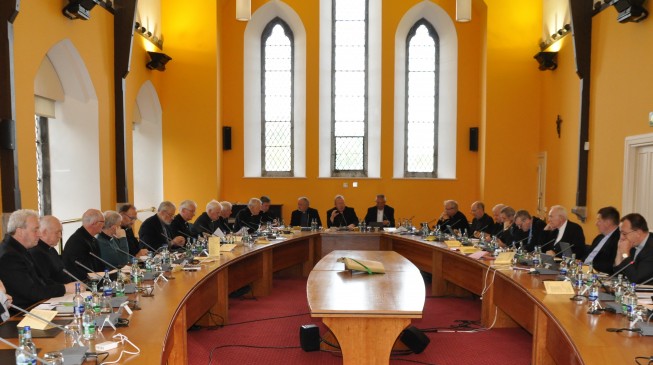
More Catholic bishops have given the go-ahead for First Holy Communions and Confirmations to take place later this month.
Bishop Fintan Monahan of Killaloe said parishes in his diocese could proceed with these sacraments from mid-August, as also did the diocese of Ferns.
Previously, the Catholic Archbishops of Dublin, Armagh, and Tuam, announced that the sacraments could take place in their diocese locally as also did the Bishops of Clogher, Meath, Elphin, Raphoe, and Waterford and Lismore.
In a statement to Tipp FM, Bishop Monahan said that the fears surrounding Communion and Confirmation after-parties were “overplayed”.
He said he understood the State’s point of view but he thought the sacraments had been “singled out” for restrictions.
Separately, Bishop Denis Nulty of Kildare and Leighlin has declined to follow suit, and instead has asked parishes is his diocese to abide by current official guidelines.
Meanwhile, the Irish Times is reporting that the Cabinet’s Covid sub-committee has recommended a resumption of First Communions and Confirmations from next month.
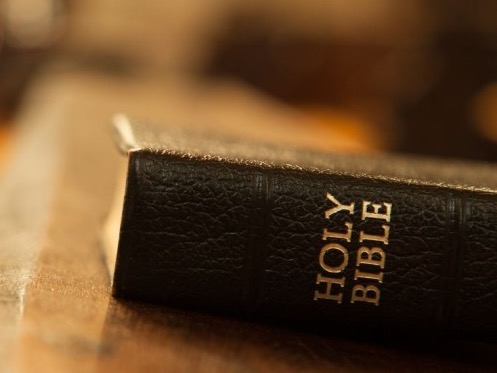
Cuban authorities are threatening a Christian with prison if he doesn’t take down a Bible verse from outside his home.
Yuri Perez Osorio, from Havana, put up the sign with a powerful quote from the book of Isaiah on injustice and tyranny.
He was interrogated by local police and given 72 hours to remove the scriptural verse.
The sign reads: “Woe to those who make unjust laws, to those who issue oppressive decrees, to deprive the poor of their rights and withhold justice from the oppressed of my people, making widows their prey and robbing the fatherless. Isaiah 10: 1-2,” and finishes with a call to repentance
Last month, there were massive, anti-government protests against the island nation’s communist regime.
The Catholic archdioceses of Dublin and Tuam have said First Holy Communion and Confirmations can go ahead again despite Government guidelines advising against them. The archbishops join at least six other dioceses giving their priests permission to do so.
Tuam archbishop, Michael Neary told priests last week that First Holy Communions and Confirmations may proceed from mid-August. He said: “It’s important that the guidance and protocols be followed, and that priests would encourage parishioners to take every precaution outside of the ceremony itself”.
Archbishop Dermot Farrell said there has been no engagement from the Government with Church representatives regarding revision of public health guidelines.
He said the grounds for the restrictions appear to be that they may lead to family gatherings, which could breach public health guidelines on household mixing.
“This is perplexing, as no such prohibitions are applied to other events, such as sporting of civic events, or other family occasions, such as the celebration of birthdays and anniversaries, or indeed to weddings or funerals.
“Many have concluded that, in the absence of appropriate justification, these guidelines are discriminatory,” Archbishop Farrell writes.
Yesterday afternoon, he commented on the news that former Minister, Katherine Zappone, held an outdoor event for a large crowd of patrons at a swanky hotel: “You know it’s okay to have a bash in the Merrion Hotel with 50 people present. But yet, it’s not possible for a parent to take their child along to receive the sacrament,” he told RTÉ Radio One.
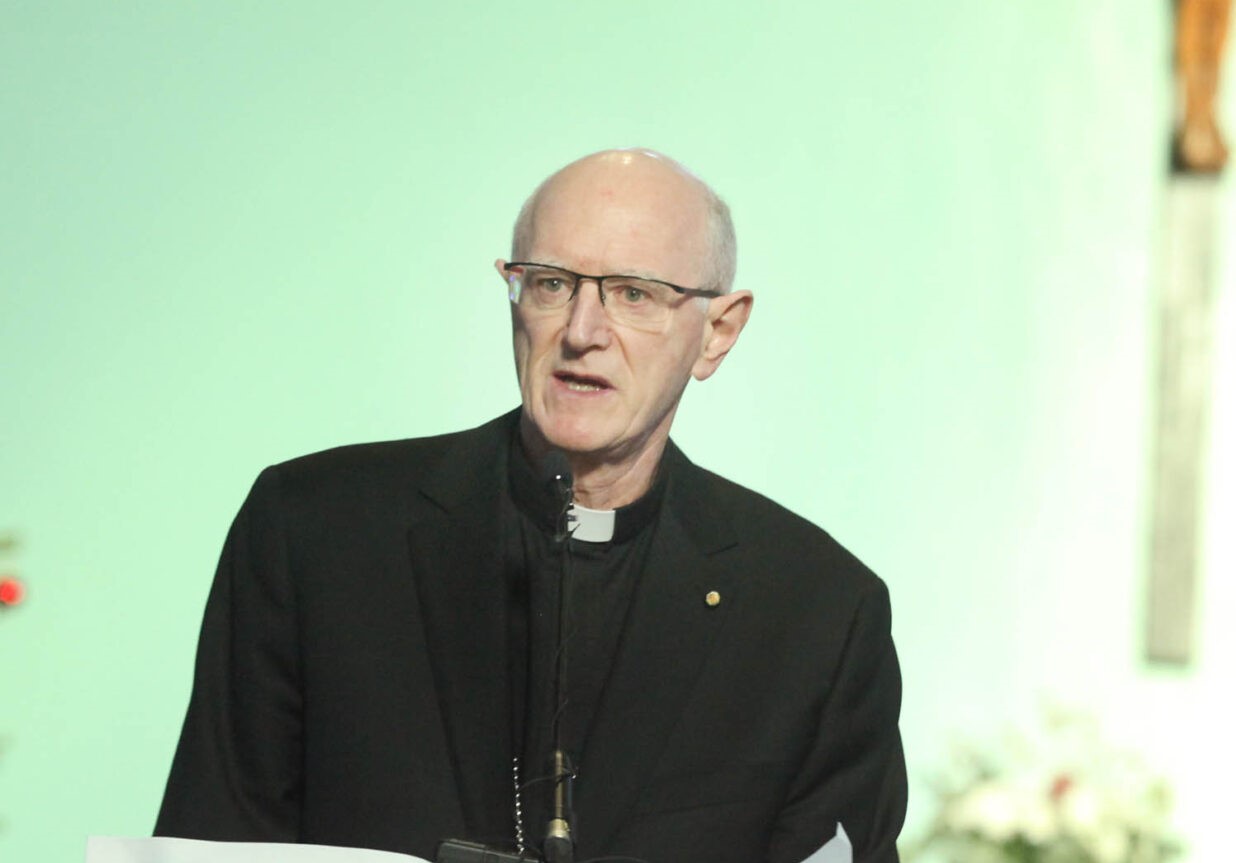
Catholic Archbishop of Dublin, Dermot Farrell, has paid tribute to the bravery of the priest killed in the Co Cork bus crash, who he said sacrificed himself to save his secretary.
Locals told media that Fr Con Cronin was having lunch with a woman in Monkstown, and pushed her out of the way of the Bus Éireann bus as it lost control and veered towards them on Tuesday.
Speaking on RTÉ Radio 1, Archbishop Farrell said it was a “very sad day”.
“Could I sympathise with Fr Con Cronin and his family on the tragic death of Fr Cronin and pay tribute to his bravery, where he sacrificed himself to save his secretary.
“But also just pay tribute to all my priest colleagues on this feast day of St John Vianney, the patron saint of priests.”
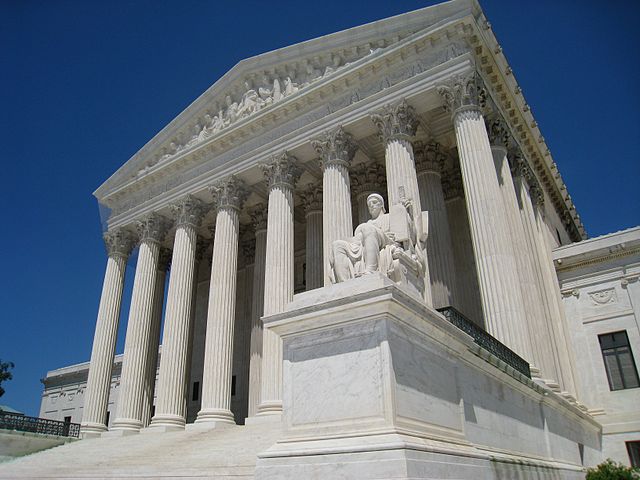
More than 75 amicus briefs have been filed at the US Supreme Court supporting the state of Mississippi’s ban on most elective abortions after 15 weeks, the state’s attorney general said last week. Many of the briefs were filed by Catholic or pro-life organizations.
The National Catholic Bioethics Center was one of the amici curiae in the case. Its president, Joseph Meaney, told CNA on Tuesday that the case presents “a remarkable opportunity” for the court to substantially alter or overturn its previous rulings that claimed a right to abortion.
Expressing optimism that the court will reevaluate or possibly overturn its Roe v. Wade decision as a result of the Dobbs case, Meaney said “there’s a real light at the end of the tunnel here.”
“There’s a growing cultural momentum that people have had enough of abortion-on-demand,” Meaney said, adding the Supreme Court overstepped its authority in the Roe case by imposing legal abortion on the nation.