
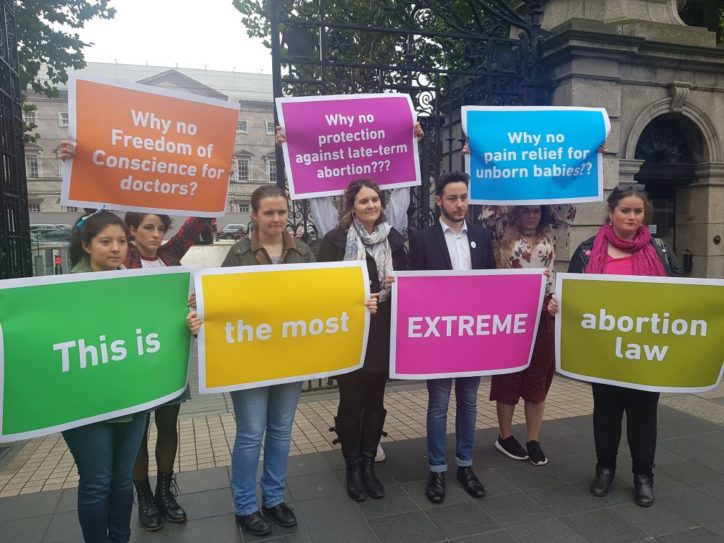
Both anti and pro-abortion TDs will continue their attempts to amend the abortion legislation when it returns to the Dáil for report stage later this month. Last week the bill passed its committee stage after three days of hearings when over 180 amendments to the bill were considered. Sixteen of those were put by pro-life TDs. Among those rejected were amendments calling for a specific ban on aborting unborn babies with disabilities and disposing of foetal remains in a respectful manner.
Minister for Health Simon Harris accepted just one of the amendments, insisting that voters had backed the referendum on the basis of the draft legislation he published in the spring. The Referendum Commission said that we were voting only on whether to keep or repeal the 8th and not on abortion legislation. He accepted a clause that will mean the operation of the legislation will be reviewed after three years, rather than five. However, Mr Harris has promised TDs from Fianna Fáil and People Before Profit that he was willing to consider some of the amendments which were pro-choice in spirit.
Nonetheless TDs on both sides of the debate say they will seek to reintroduce many of the amendments at the next stage of the legislative process, when the Bill is considered for the final time by the Dáil before moving on to the Seanad, if passed.
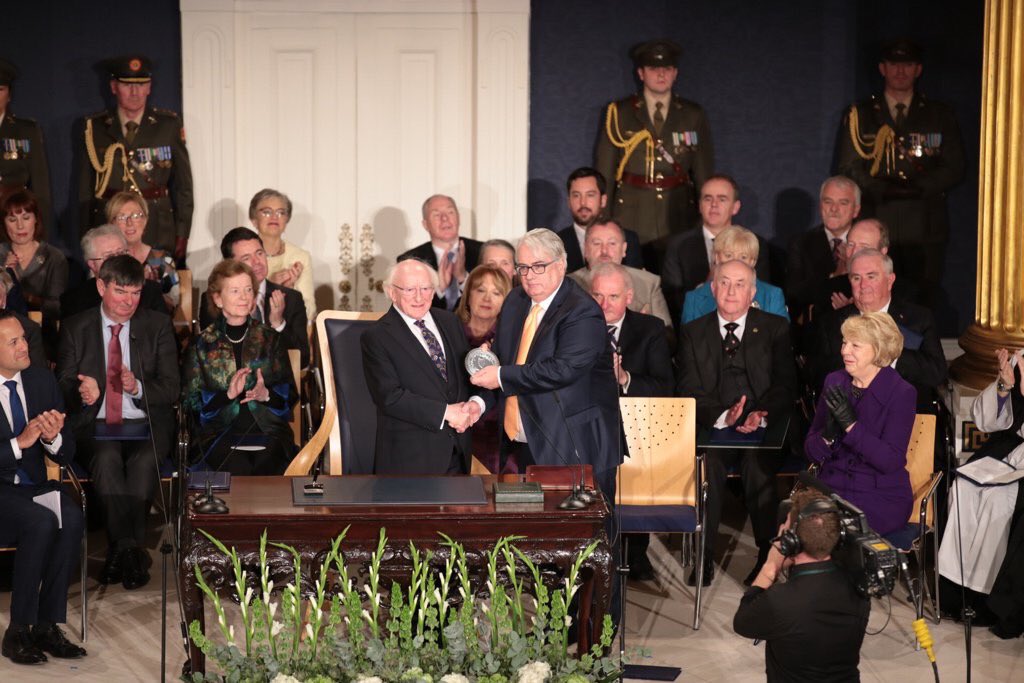
Atheist Ireland on Sunday launched a campaign for a secular oath of office so that atheists taking such offices would not have to publicly contradict their beliefs. They have asked that there would be one single oath for all people, rather than a secular and a religious version. Currently, the office of President, judge, and Taoiseach, as well as members of the Council of State require the religious oath.
In 2013 six members of President Michael D Higgins’s Council of State called for the removal of religious elements from the oaths. In 2014 the UN Human Rights Committee called on the State to remove both the religious oaths for public office and the law on blasphemy.
Launching the new campaign, Atheist Ireland chairman Michael Nugent said that the oath excludes conscientious atheists as candidates for offices such as the President.
In order to take office as a President, judge, or Taoiseach, he said atheists “would have to swear a religious oath that would force us to dissemble about our beliefs, and breach our human right to freedom of conscience and belief”.
“We want a referendum to replace these religiously discriminatory oaths in our Constitution, so that all citizens of our Republic can be treated equally regardless of their religious or nonreligious beliefs,” he said.
Such holders of public office “should instead make a single declaration of loyalty to the Irish Constitution, State, and people that does not reveal anything about the person’s religious or nonreligious beliefs”, he said.

A 69-year-old Dutchman has initiated court proceedings to legally reduce his age by more than 20 years. Emile Ratelband argues that if transgender people are allowed to change sex, he should be allowed to change his date of birth because doctors said he has the body of a 45-year-old. His local authority refused to amend his age on official documents so Mr Ratelband’s case has now gone to a court to stake his claim. ‘I have done a check-up and what does it show? My biological age is 45 years,’ he claimed.
The Dutchman argues that he is discriminated against because of his age on a daily basis and that companies are reluctant to hire someone the age of a pensioner as a consultant.
The judge said that he had some sympathy with Mr Ratelband as people could now change their gender which would once have been unthinkable. But the court said there would be practical problems in allowing people to change their birth date and it would mean legally deleting part of their lives.
The court is due to deliver a written ruling within three weeks.

Increasing childcare subsidies would not necessarily lead women back to work as many parents prefer to care for their children at home, research presented to the Economic and Social Research Institute (ESRI) has highlighted. This is a major challenge to Government childcare policy which is funneling ever increasing public resources into institutional daycare.
“We get a sense that many households are in fact very far from changing their mind [about domestic childcare] and no amount of childcare policy is going to change their decision,” Dr Turon told the ESRI. “My estimates seem to suggest we’ve got a fairly small scope for getting more mothers back into the work force by making childcare more accessible.”
The study examined more than 3,200 two-parent British households followed as part of the British Household Panel survey which ran between 1991-2008.
The research revealed an interesting gender disparity: it found the mother was more likely to work part-time and look after the children even if the woman’s earnings were higher than the man’s value before their first child was born.
A group of family doctors has demanded that Minister for Health Simon Harris consults with GPs before legislation providing for a GP-led abortion regime is passed by the Oireachtas. The group of doctors assembled a petition that has been signed by 640 of their colleagues and which expresses concerns with the Government’s plans to have abortions readily available in Irish GP clinics and hospitals by January.
Dr Aisling Bastable accused Mr Harris of ignoring the voice of “mainstream general practice”, and called on Taoiseach Leo Varadkar and the Fianna Fáil leader Micheál Martin to intervene.
Dr Andrew O’Regan said: “Many GPs on the ground do not believe that general practice is the appropriate setting in which to deliver abortion because of the lack of capacity in an already overstretched environment, lack of training and availability of ultrasound and delivering on genuine freedom of conscience,” they said.
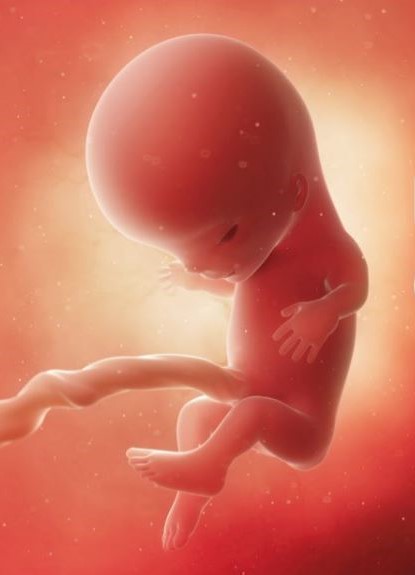
The State of Alabama passed an amendment to its constitution Tuesday that recognises the right to life of the unborn and clarifies that there is no right to abortion implicit in the document, nor any right to public funding for abortion. He amendment was passed by a majority vote of 60%.
Specifically, the text declares that “it is the public policy of this state to recognize and support the sanctity of unborn life and the rights of unborn children, most importantly the right to life in all manners and measures appropriate and lawful; and to provide that the constitution of this state does not protect the right to abortion or require the funding of abortion”.
While the result changes state-law, it does not affect the operation of abortion as that is controlled by federal law. However, if the Supreme Court case upon which that law is based, Roe v Wade, were overturned, then Alabama would be able to effect a prohibition on abortion.
In the state of West Virginia there was a similar ballot initiative passed that likewise prohibits public money being spent to fund abortions.
In an extraordinary political move the Pro-Life Campaign have publicly called on their own supporters not to vote for Fianna Fáil in the next election due to the party’s refusal to countenance even modest pro-life amendments to the Government’s permissive abortion legislation.
In a statement released yesterday, the PLC said, “Any party that isn’t even prepared to back moderate amendments to such an extreme and barbaric abortion bill doesn’t deserve a single pro-life vote in the next general election.”
According to the statement, under the proposed legislation, any doctor who refuses to refer for an abortion will have broken the law and is likely to have their licence to practice medicine revoked. “As the main opposition party, Fianna Fáil could easily have pressured the Government to concede proper freedom of conscience protections for doctors and other reasonable amendments that would have saved some lives. But they decided to placate their friends in the media rather than respect their voters.”
It continued: “1 in 3 people voted No in the referendum. Fianna Fáil expect us to vote for them and look for nothing in return. That cannot happen.”
Apart from “one or two notable exceptions,” the PLC issued a call to its supporters not to vote for Fianna Fáil in the next election. “For as long as our votes are taken for granted, we will resolutely hold to this position.”
An Australian man has been sentenced to 10 years in jail for encouraging his wife’s suicide.
Graham Morant, 68, was convicted of counselling and aiding his wife, Jennifer Morant, to take her own life in 2014. He had been motivated by a desire to access Mrs Morant’s life insurance benefits, a judge ruled. As sole beneficiary of the policy, Morant had stood to receive A$1.4m (£770,000; $1m). Mrs Morant had suffered from chronic pain, depression and anxiety, but was not terminally ill.
Morant had pleaded not guilty to the charges, but a jury found that Mrs Morant would not have ended her life without his counselling.
The 56-year-old woman was found dead alongside a petrol generator in her car on 30 November 2014. Nearby, a note read: “Please don’t resuscitate me.”Her husband had previously driven her to a hardware store to buy the generator, the jury was told.
“You took advantage of her vulnerability as a sick and depressed woman,” he said. Morant received a maximum 10-year sentence for the charge of counselling suicide, and a six-year sentence for the charge of aiding suicide. The sentences will be served concurrently.
Two priests of the underground Catholic Church in China have been detained by authorities in Hebei Province.
One priest was reportedly taken away by personnel of the United Front Work Department on Oct. 24. A source said that the priest had been placed in detention and forced to study newly revised regulations on religious practice and to recognize the state-controlled Chinese Catholic Patriotic Association (CCPA).
The government officials were said to have warned that the Catholic Church in China was required to be autonomous from the Vatican, withstanding a provisional Vatican-Beijing agreement signed two months ago.
Another priest, on Oct. 13, was placed under home arrest so he could be indoctrinated on government policies.
Meanwhile a source said that in a village of Xuanhua Diocese, families were told that they would be fined and detained for five days if they received priests in their homes.
In addition, the Jingkai District Bureau of Ethnic and Religious Affairs Sept. 25 issued a notice banning what it described as illegal religious activities. It was reported that more than a dozen religious venues of the underground church in the province had been recently seized.
A church member lamented that restrictions on Catholics had intensified since the China-Vatican agreement was signed contrary to its avowedly “friendly spirit.”
A Hebei underground Catholic named Paul told ucanews.com that most underground church members would not accept the government’s patriotic association, the CCPA.
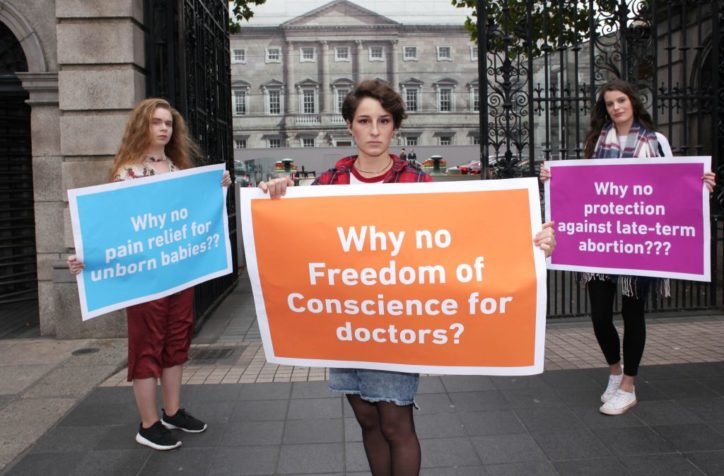
GPs who organised a petition calling on the Irish College of General Practitioners to hold an Extraordinary General Meeting on the provision of a GP-led abortion regime in Ireland, have described the decision to hold it in four weeks time as “wholly unacceptable”. The legislation in question has already cleared one vote in the Dail and amendments to the bill are due to be considered in the committee stage this coming week.
The 2 December EGM was announced in a statement by the ICGP board Friday evening, after it received a petition from over 600 GPs, who are concerned about multiple aspects of the proposed legislation, including the wholly inadequate provision of conscience protections.
The GPs who organised the petition have said they approached the ICGP board on multiple occasions to ask for an EGM in order to clarify the attitude of the ICGP membership about the abortion provisions, but all those requests were refused. The petition triggered an automatic EGM, but the timing of it now appears to make its purpose moot because the meeting has been deferred “until after amendment stage in the Dáil”. Because of this, the GPs have accused the ICGP of ensuring that the voice of mainstream General Practice would not be heard by legislators.
The statement says those who signed the petition represent a variety of views on the proposed legislation, but they share a concern regarding the “total lack of consultation” with GPs from the Minister for Health and the ICGP Board.
It describes “the level of disregard” by the Board to GPs on the ground as “appalling”.