

The leading Irish doctor helping people change their sex has said that Ireland has a high rate of adults who regret their treatment and has called for greater support and resources to prevent post-operative remorse. Prof Donal O’Shea of St Vincent’s and St Colmcille’s hospitals in Dublin is currently treating three patients for post-op regret, and he is leading two of those three through painful reverse surgery. “The worst outcomes I have seen are those who have transitioned and have said ‘Oh dear, what have I done?’ or in some cases ‘Why did you let me do that?’ Transitioning needs to happen at a pace that is appropriate for the individual and that the diagnosis is absolutely correct.”
He also said that three transgender people have died by suicide in the past five years, two of whom had had surgery and the third was on hormone therapy.
He said the death of patients by suicide has a profound impact on him and staff at the centre. “It is very difficult. When you see someone who is doing very well and then hear that they are dead, it’s halting, it knocks you in your tracks, and affects everyone,” he said.
Prof O Shea said there is a rise in “gender confused” teenagers, rather than those who have true “gender dysphoria” and attributed this in part to “Kardashian culture” and the greater visibility and acceptability of trans-identity. He also said the portrayal of transgender people in cartoons and anime is also having an impact, with patients frequently reporting seeing “a character who believes that all their problems are rooted in gender and everything is great when they transition”. Prof O’Shea believes there needs to be greater support and resources including a dedicated clinic based in Ireland, to deal with the issues properly.
Meanwhile, forty Five Irish teenagers questioning their gender identity are currently availing of services in Britain. This represents a five-fold increase in the space of four years according to figures published by the Irish Mail on Sunday. Of the 45 children, 18 so far have moved on to receiving puberty blockers to suppress their normal sexual development and other hormone therapies to prepare them for a full sex change operation after they turn 18. In addition, 60 adults have travelled abroad for sex change operations since 2012. The HSE is funding these therapies and operations under the Travel Abroad Scheme as sex change operations are not currently available in Ireland. Patients are referred to the Tavistock and Portman clinic in London for initial evaluation and treatment and then attend monthly clinics in Crumlin Hospital that are run by doctors from Tavistock. Referrals to UK surgeries are often made through a consultant at St Colmcille’s Hospital in Loughlinstown.
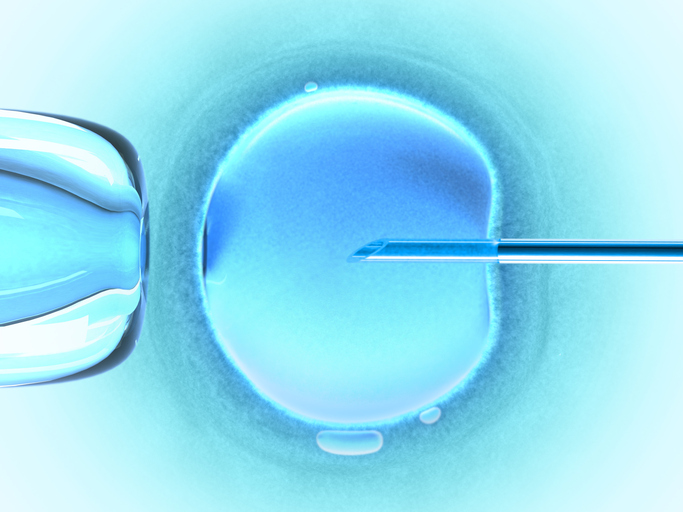
Donor conceived children are suffering a loss of identity and a falsification of birth records in much the same way as adopted children suffered in the past, according to a psychologist, Emma O’Friel. She told Mary Wilson on RTE Radio 1’s Drivetime last Friday, that the fertility industry is, like the Church of old, powerful, wealthy and doing some good, but it is also inflicting on donor-conceived children today the same kind of harm that was inflicted on adopted children of the past.
“Adoption occurs in Ireland and all around the world, particularly after the Hague Convention, as a last resort, so it is to protect children. But in donor-conception and with illegal adoption you have children who are really removed unnecessarily from their genetic family, and irrevocably, with no access and no rights to access their parentage, and to know who they are and to know who their parents were. And again you have donor-conceived children being born today with falsified birth certificates, so it is really identical.”
She described the pain and anguish suffered by people in both situations as being similar as they feel the loss of something ‘intrinsic’ to who they are: “people describe it as a hunger and donor-conceived children and perhaps adoptees get quite cross when people say its more a curiosity. Its not, its like having a loved one behind a door and you can never get behind that door, you can never access them. And the fact that its systematic, that its set up that you will never be allowed this.”
She also said that in 2008, a full thirty years after the first use of anonymous sperm and eggs in Ireland, it was estimated that 95% of donor-conceived children in the country had no idea they were donor-conceived. Even now, years after a greater awareness of the importance of such matters has arisen, she said the majority of people in Ireland born through donor conception still do not know that they are donor-conceived.
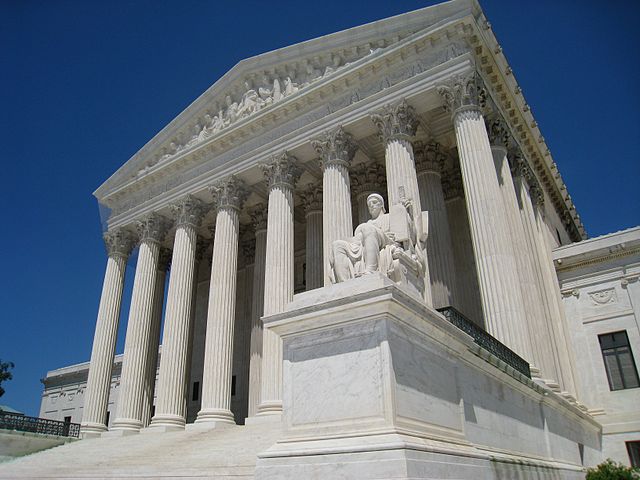
In a highly significant ruling, the US Supreme Court has ruled by a 7-2 majority that a baker had his right to religious freedom unjustly infringed when a State Human Rights Commission sanctioned him for refusing to make a cake for a same-sex wedding. The baker said that it would have violated his religious beliefs to support the wedding, though he would have gladly served the customers in any other way.
The Supreme Court ruled that the State Commission showed an illegitimate animus against religion in its original ruling. One commissioner had claimed that “freedom of religion” has been used to “justify all kinds of discrimination throughout history,” including slavery and the Holocaust. The commissioner called the baker’s religious-freedom claim “one of the most despicable pieces of rhetoric that people can use.”
In response, US Supreme Court Judge, Anthony Kennedy, who himself authored the decision to make same-sex marriage legal in all fifty States in the US, said the description of the man’s faith disparaged his religion in at least two distinct ways: by describing it as despicable, and also by characterizing it as merely rhetorical — something insubstantial and even insincere. “This sentiment is inappropriate for a Commission charged with the solemn responsibility of fair and neutral enforcement of Colorado’s anti-discrimination law — a law that protects discrimination on the basis of religion as well as sexual orientation.”
Furthermore, the Court found an inconsistency in applying the law to protect some free speech, but not other speech, an inconsistency that again revealed an anti-religious animus. On at least three occasions the Commission protected bakers who had refused to make cakes with a text disapproving of same-sex marriage. The Court decided that the Government must be a neutral arbiter in free speech cases and not be the judge of what should be deemed offensive, and not protected, and not offensive.
While the Court ruled on the question of religious freedom, it did not address the question of whether free speech could be compelled and, for instance, force a baker to express a pro same-sex marriage message apart from religious freedom concerns.
The Government will not accept amendments to the forthcoming abortion legislation which seek to stipulate that disability is prohibited as a ground for abortion. The amendments are being proposed by some Fianna Fail and Independent TDs so as to protect disabled children who might be aborted under the 12 weeks on request ground, or the risk of serious harm to health ground that allows abortion up to 24 weeks. Some in Government appear to think that the draft legislation already includes a clause that specifically excludes abortion on the grounds of disability, and this point was made by Minister Finian McGrath on RTE Radio 1’s News at One on Monday. However, the published heads of the bill make no mention of any such exclusion, thereby allowing the possibility of disabled babies being aborted under one of the stated grounds.
Nonetheless, Government sources have told the Irish Times that they will oppose any amendments that would narrow the scope of abortion in the published Heads of the Bill. However, an unnamed spokesperson did say that “the Government has always said that disability of the foetus will not be accepted as a threat to the mother’s health. It is intended to set this out in clinical guidelines, rather than in primary legislation.”

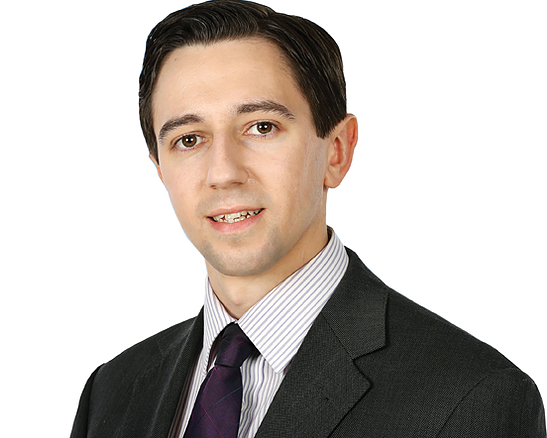
The Minister for Health Simon Harris is assessing if services provided under the Maternity and Infant Care Scheme can be expanded to pay for expectant mothers who want an abortion. Pro-life leaders have said providing abortion under this scheme would make a mockery of it.
Currently, the Maternity and Infant Care Scheme allows for maternity services free of charge when provided by a family doctor (GP) and a hospital obstetrician. Government sources told various media the assessment was at the preliminary stage but it was keen there would be “no barrier to accessing services on the basis of affordability”, which means pro-life tax-payers would be forced to pay for abortions.
“Our priority is that no woman is treated differently because of her economic circumstances – part of the reason we legalised abortion is to ensure women no longer turned to the web for abortion pills,” a source told the Irish Independent.
The DUP has said Northern Ireland will not be “bullied or bounced” into changing its abortion laws after feminist activists openly flouted the law by swallowing abortion pills in a public protest outside Laganside courts in Belfast on Thursday.
Even though Northern Ireland is set to be the only part of the UK or Ireland to not have liberal abortion laws, South Down MLA Jim Wells said it was “entirely our right under the devolution settlement to make our own decisions on that”.
“The Assembly discussed this in detail on February 10th, 2016 and after a lengthy debate decided we did not need to change the laws in Northern Ireland and that is where we stand. And we are not going to be bullied or bounced into changing our laws because of what happened in the Irish Republic,” he said.

Channel Four have aired a documentary on women who decide to get pregnant by artificial insemination, using sperm donated free of charge by strangers who offer their services via the internet. One such man, a 61-year-old from Yorkshire, claimed to be a retired teacher. He advertised himself on Facebook, and was happy to drive up to 80 miles to park outside a woman’s house, hand over a syringeful of fresh sperm, before heading home. He asked for no payment, except a text to announce each pregnancy and a photo of each baby. Most of the women who called on Clive’s services were in same-sex relationships.
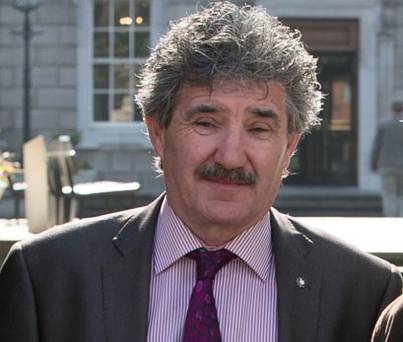
Junior Minister John Halligan will put euthanasia firmly on the political agenda by submitting a bill to the Dáil in the next few weeks that would legalise assisted-suicide. This is only days after the vote to repeal the pro-life amendment from the Irish Constitution.
According to the Irish Independent, the proposed laws would require a person to be terminally ill, have a “clear and settled intention to end his or her own life” and be over 18. ‘Safeguards’ would require a person to make a declaration in the presence of a witness who is not a beneficiary of the ill person’s estate. It would have to be countersigned by the medical practitioner from whom the person has requested assistance to end their life. A 14-day ‘pause period’ would be legally enforced between the time a person signs the declaration and doctors actually prescribing the necessary medicines.
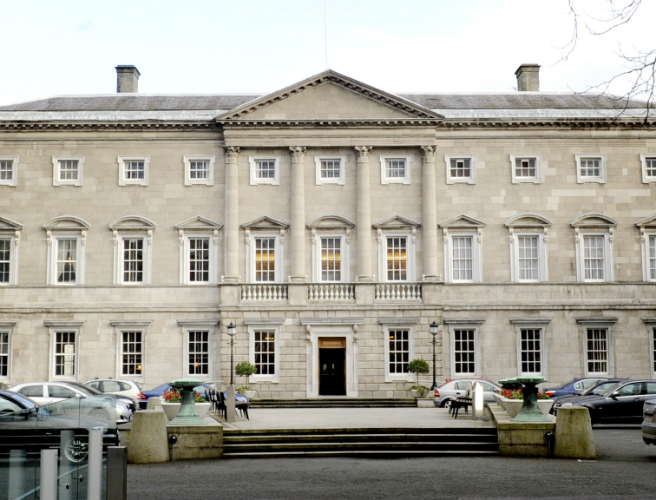
A bill preventing Catholic schools admitting Catholic children first was passed by the Dáil yesterday. Minority denominations and religions will continue to be allowed to operate faith-based admissions policies.
Catholic school bodies have argued that banning religion as a selection criterion in admissions would breach their constitutional rights relating to religious freedom and freedom of association and have indicated they might fight the legislation in the courts.
Minister for Education Richard Bruton said however that the provision was robust and would mean baptism as a preferment for entry to Catholic schools in the event of oversubscription would be removed. Mr Bruton told the Dáil after the Bill was passed: “Ireland is changing and we need to change with it. The expectation of citizens around the education system have changed and I think this Bill will go some distance to ensuring that we keep up with those changes.
Fianna Fáil education spokesman Thomas Byrne welcomed the passage of the Bill which he described as “in some ways radical legislation” but said in other way it will not affect many schools in terms of how they operate.
The legislation now goes to the Seanad.
Portuguese lawmakers have rejected a proposal to legalise euthanasia and doctor-assisted suicide.
Drafted by the ruling Socialists, the bill garnered 110 votes in the 230-seat parliament but was voted down by 115 opponents, with 4 abstentions, after a heated debate and a vote that required each lawmaker to declare his or her stance.
The Portuguese Doctors’ Association opposed the change, saying it violated key principles of the medical profession.
The outcome of Portugal’s vote was expected to be close as the two main parties, the Socialists and the main opposition Social Democratic Party, allowed their lawmakers to vote according to their conscience. The two parties have 175 of the 230 members of the Republican Assembly, Portugal’s parliament. Another of the government’s hard left allies, the Communists, voted against the legislation, joining the conservative CDS-PP on the other end of the political spectrum.
Inciting or assisting euthanasia is currently punishable by up to three years in prison.