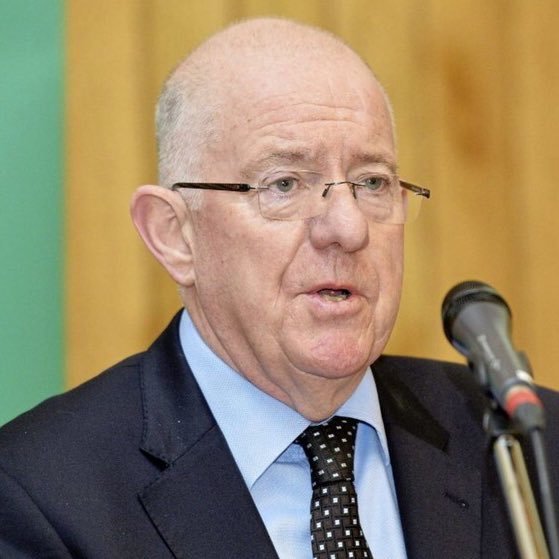
The Minister for Justice, Charlie Flanagan, is seeking an early hearing of a Supreme Court appeal against a finding that “unborn” in the Constitution refers to a “child” with significant personal rights above and beyond the right to life.
The date for the appeal is expected to be set this coming Friday. As the Court has already described the case as raising issues of “systemic” importance, it is likely to get an early hearing date.
Lawyers for the Minister disagree with a 2016 High Court finding of Judge Richard Humphreys that the “unborn” is an “unborn child” with numerous effective rights. They insist the unborn child only enjoys a right to life, as a result of the Eighth Amendment, and no other rights.
The grounds of appeal include the Minister’s insistence the High Court was wrong to find the unborn is a “child” for the purposes of Article 42A, inserted as a result of the 2012 referendum, and to find that Article 42A affords protection for the rights of “all” children “both before and after birth”.
If the High Court findings are upheld, they will have “serious repercussions” for the duties of the State, particularly entities such as the Child and Family Agency, the Minister has argued in court documents. It would also affect the remit of the Minister for Children Katherine Zappone who currently denies she must advocate for unborn children.
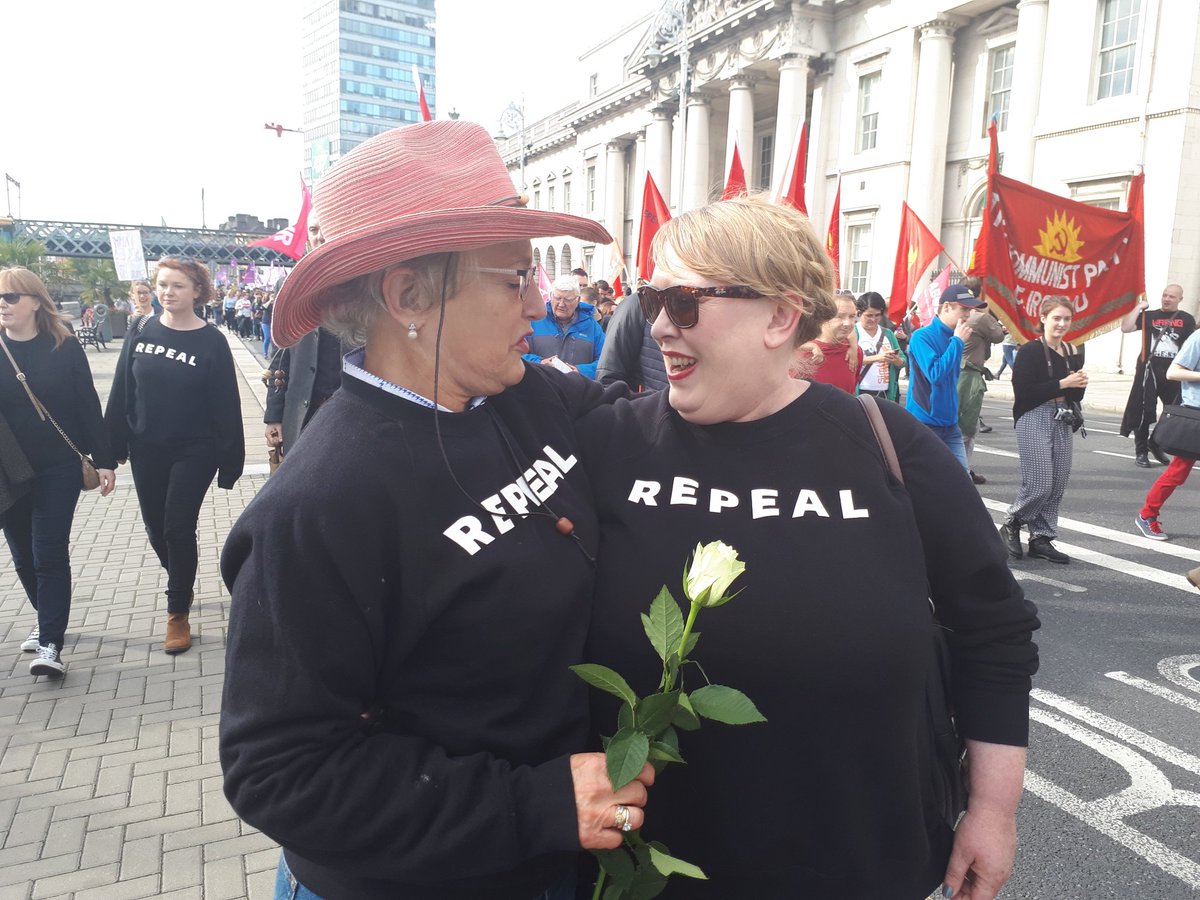
It is not known whether the appeal will be decided before the expected referendum this year on the Eighth Amendment. If, however, both the Minister’s appeal were successful and the pro-life amendment were repealed, then unborn children would be left with no explicit Constitutional rights.
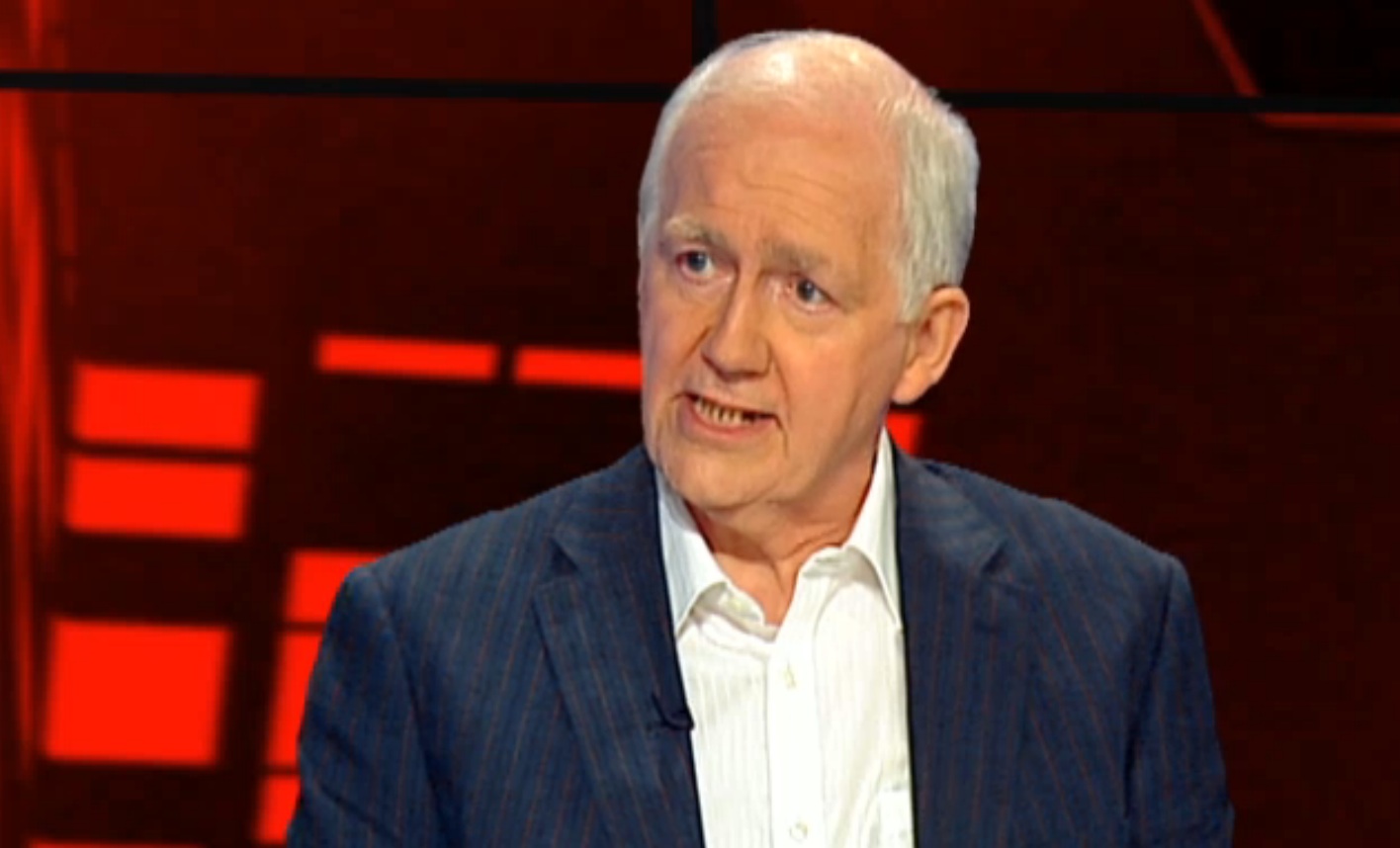
The recommendations of the Oireachtas abortion commitee green lights abortion for disability, up to birth, according to constitutional law expert, Professor William Binchy. The report containing the recommendations does not expressly mention non-fatal disabilities such as Down Syndrome as a ground for abortion, but Prof Binchy says they effectively allow it given the sheer breadth of grounds they did endorse. Calling the report a “dismal document”, he said it proposes “the introduction of abortion on demand, expressly for the first twelve weeks of the child’s life, and covertly at all stages potentially up to birth”.
The committee proposed the abortion of unborn children in the first 12 weeks of their lives “with no restriction as to reason”. Abortion for disability clearly falls within its scope as, Prof Binchy writes, “if no reasons need be given, any reason will do”.
After 12 weeks, abortion for disability can also feature, he writes, “again not expressly, though under the name of ‘mental health'”. Such a ground has tended internationally to be very broad in practice. Professor Binchy is a legal adviser to the Pro-Life Campaign.
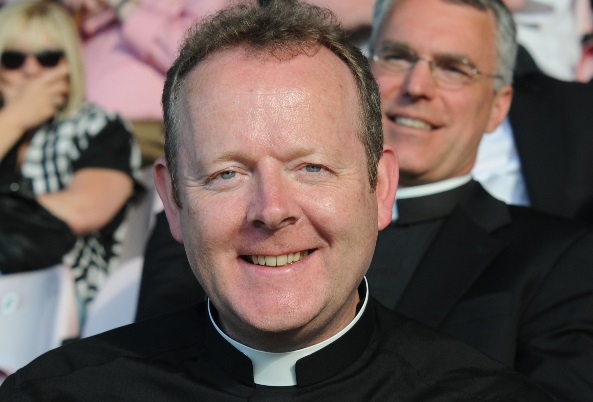
The Catholic Archbishop of Armagh, Eamon Martin, has urged Catholics to become “missionaries for the cause of life” in the run-up to the expected abortion referendum later this year. In a pastoral message for 2018, Dr Martin said Catholics should ignore the “strong pressures to remain silent” and speak to relatives, friends, and politicians about “cherishing the precious gift of life at all times from conception to natural death”.
In the message, the Archbishop remarked: “All human life is sacred. All human life is precious. This is why the direct and intentional taking of innocent human life is always gravely wrong. “Article 40.3.3 [the Eighth Amendment] is a declaration of equality and respect for human life – it represents, at the very foundations and substructure of our laws, a conviction that all human life is equally worth cherishing.
“To repeal this Article will leave unborn children defenceless, and completely at the mercy of whatever abortion laws are introduced in Ireland – both immediately and as will inevitably be further broadened in future years.”
The Archbishop added: “Both [women’s and babies’] lives deserve protection from the tragedy and irreversible decision of abortion.”

The US State Department has released its 2017 list of governments “that have engaged in or tolerated systematic, ongoing, and egregious violations of religious freedom”. The list names Burma, China, Eritrea, Iran, North Korea, Sudan, Saudi Arabia, Tajikistan, Turkmenistan, and Uzbekistan as ‘Countries of Particular Concern’, while Pakistan was also placed on a Special Watch List for severe violations of religious freedom. In a press release accompanying the publication of the list, spokesperson Heather Nauert said in far too many places around the globe, people continue to be killed, persecuted, unjustly prosecuted, or imprisoned for exercising their right to freedom of religion or belief. In particular, the State Department list named governments who have infringed upon individuals’ ability to adopt, change, or renounce their religion, worship in accordance with their beliefs, or be free from coercion to practice a particular religion or belief.
The U.S. Commission on International Religious Freedom (USCIRF) welcomed the State Department’s list, with its Chairman Daniel Mark saying, “The designation of these countries is a key step in ensuring continued U.S. engagement in support of international religious freedom. Although USCIRF agrees with the 10 countries on the State Department’s list, it does not go far enough. Secretary Tillerson should have also designated the Central African Republic, Nigeria, Pakistan, Russia, Syria, and Vietnam.”
A transsexual who used sperm he had banked prior to his ‘gender reassignment’ to ‘female’ to have a baby with his female partner cannot be legally registered as a ‘mother’ of the child, Germany’s highest civil and criminal court ruled on Thursday.
The Federal Court of Justice said only the woman who gives birth can be considered the child’s legal mother. In its ruling, the Court said that although the rights and duties of a transsexual person depended on their new gender, the legal relationship with his or her children remained unchanged.
The ruling was a surprise because the Court has recently adopted a more liberal stance to gender identity issues. In November, Germany’s constitutional court ruled in favour of the introduction of a third gender category for people who do not identify as either male or female or are born with an ambiguous sexual anatomy.