

Figures from the Netherlands show there were 431 “terminations of life without explicit request” carried out by doctors there in 2015. Euthanasia has been legal in the country since the 1970s and every five years a study is conducted to track how many people die as a result of the law and whether there are any concerns with it. In 2015 there were 7254 assisted deaths (6672 euthanasia deaths, 150 assisted suicide deaths, 431 termination of life without request) and 18,213 deaths whereby the medical decisions that were intended to bring about the death. The figures also reveal that there were 1693 unreported assisted deaths (approximately 23%) in 2015. Writing at National Review Online, Wesley J. Smith, said the figures show doctors continually broke the law and violated the “strict protective guidelines” and yet nothing substantial is ever done about it. He also said there is “ongoing infanticide of terminally ill and seriously disabled babies, which is also against the law”, and yet nothing is done about that either. He concluded: “Guidelines exist to give false assurance, not to really protect against abuse. Once a society accepts euthanasia consciousness, guidelines cease to matter.”

A bill has passed the Oregon State legislature that ensures abortions will be covered by health insurance for all people regardless of “gender-identity” or, as the local newspaper the Willamette Week put it, “abortions for all women, regardless of income, citizenship status or gender identity.”
Groups are hailing the legislation for its outreach to transgender and gender-nonconforming patients. Kara Carmosino, Director of Programs and Strategy for Asian Pacific American Network of Oregon, said in a statement: “Transgender and gender-nonconforming Oregonians need access to services often categorized as ‘women’s health care,’ including gender-specific cancer screenings. Unfortunately, when coverage is dependent on one’s gender marker, procedural barriers can hinder access to this necessary and lifesaving care”.
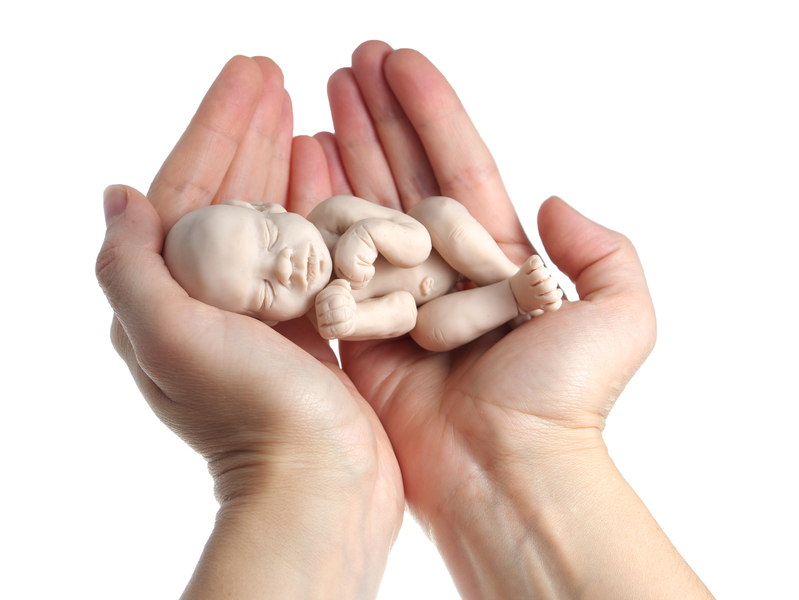
At an International Family Planning Summit last week, the UK announced they would be devoting over one billion pounds sterling to fund abortion and contraception around the world. International Development Secretary Priti Patel acknowledged the tax funds would pay for what she called “safe abortions.” The claim that millions of women in the developing world are clamouring for abortion and contraception has been hotly disputed by activists. Obianuju Ekeocha of Culture of Life Africa told the BBC that African women generally are pro-life and are not asking for contraception but for more basic necessities such as water. Contraception and abortion is a “Western solution” to African poverty, she said, accusing liberals of colonialism. “I don’t think that any Western country has a right to pay for abortions in an African country, especially when the majority of people don’t want abortion … that then becomes a form of ideological colonization,” she said. She warned that the “very fabric” of an African nation will be “shredded” by Western funding of abortion-promoting groups like Marie Stopes. “Most of the African cultures across the different African countries consider abortion the destruction of human life,” Ekeocha told LifeSiteNews.
A disabled man in the UK has issued a plea to the courts to not make euthanasia legal as, he said, such laws make the disabled and terminally ill feel a burden to others and devalues their lives.
“Feeling like a burden is one of the greatest risk factors for suicide: disabled and terminally ill people like me are constantly told that we are a financial, emotional and practical burden on society, with the strong implication that we would be better off not being a burden,” wrote Jamie Hale in an op-ed in the Guardian newspaper.
Mr Hale pointed out that such a law would affect the poor disproportionately: “If medical, social and palliative care are treated as an expensive luxury for disabled and terminally ill people compared with the lower cost of assisted suicide, this will inherently devalue our lives, and affect the care offered to all of us”. In such instances, he said, remaining alive would come to be viewed as a selfish decision that places burdens on families, risks inheritances, and has a huge financial cost to society. “Disabled and terminally ill people are being told that, while other lives can improve and other people should be deterred from killing themselves, our lives are so bad we should actually be offered assisted suicide, and it would be best for other people if we accepted it.”
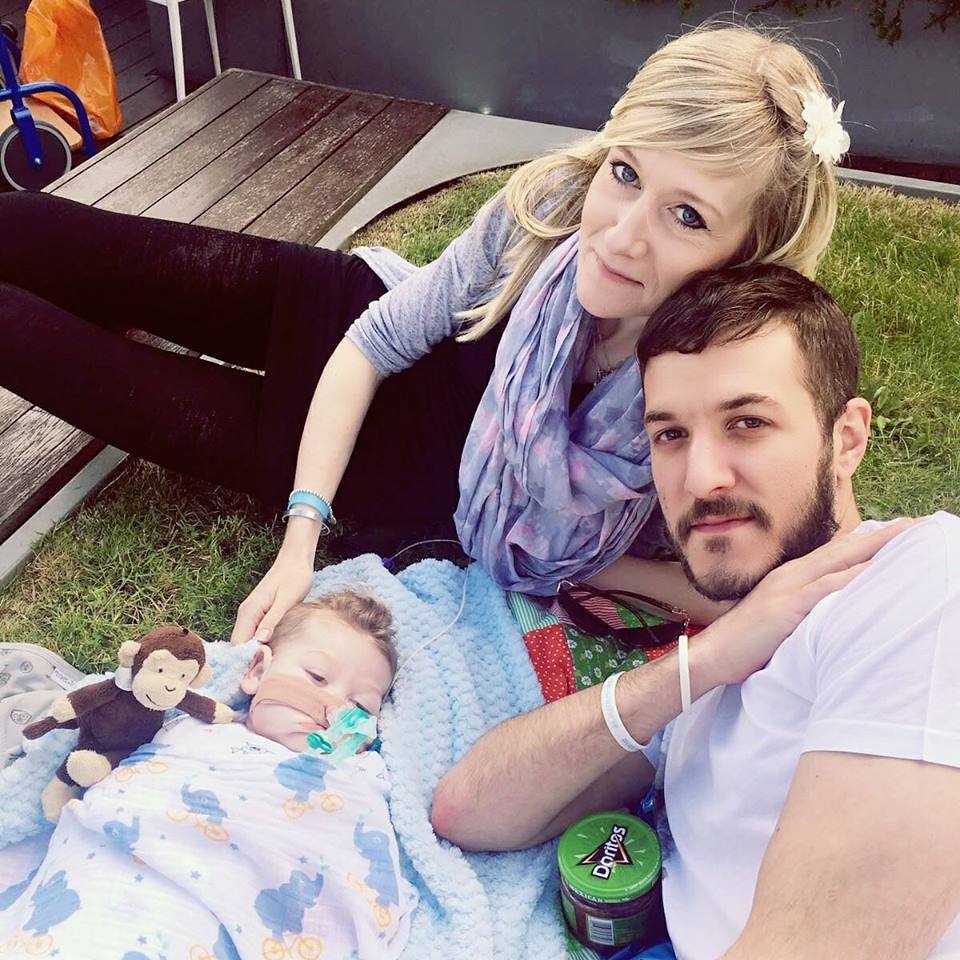
Charlie Gard’s parents have expressed dismay that the lawyer appointed to represent their 11-month-old son in court heads a charity that advocates for euthanasia.
A source close to the parents told The Daily Telegraph: “The family find it astonishing that the quango that appointed the barrister to act in the interests of Charlie Gard is the chairman of Compassion in Dying, the sister body of Dignity in Dying, formerly known as the Voluntary Euthanasia Society. The implication is obvious. It looks like a profound conflict of interest.” Compassion in Dying have responded though saying it was wrong to suggest there was any conflict of interest between Mrs Butler-Cole’s role in representing Charlie’s guardian in court and her view that adults with full mental capacity should be allowed to plan their own death.
A charity spokesman said: “There are clear differences between this case, the work of Dignity in Dying and the work of Compassion in Dying. The Charlie Gard case is about making decisions in the best interests of a seriously ill child.”
A fifth Coptic Christian has been murdered in Egypt in six weeks, aggravating fears among Christians that Islamist extremists are targeting them with impunity. The series of murders has been called “the most aggressive campaign against [the Copts] in the history of modern Egypt“. Nadra Mounir, 26, was found dead in her flat in Cairo last Thursday evening (6 July), and religious icons in her home had reportedly been desecrated. A neighbour told World Watch Monitor: “We live in peace and love with our Muslim neighbours … But after this incident, there is a state of fear and terror among all of us, and we feel that we can be targeted at any time.” Fr. Thomas Fekry, a priest at Mrs Mounir’s church, Mar Girgis, added: “The majority of people in Zarayeb Ezbet Al-Nakhl are Christians; they are simple people who work collecting rubbish. I think that slaughtering Nadra was a message, to intimidate and terrorise the Christians in the area.”

A Sinn Fein senator said the right of faith-based schools to decide their RSE/SPHE curricula in accordance with their own ethos leaves LGBT students ill-informed about how to have safe sex and perpetuates feelings of stigma and isolation. For as long as that is allowed continue, he said, LGBT youth are “in real trouble”.
Because schools are free to derogate from aspects of the RSE/SPHE curriculum in accordance with their own ethos, he said, “this means that many pupils across the State are not taught and informed how to have safe sex, the boundaries of consent, relevant health information on how to have healthy relationships because of their sexuality or gender identity.”
“This serves to cement the stigma and isolation that a young person feels during his or her formative years, when his or her sexuality or gender identity is not perceived as a norm, or moral as dictated to him or her by the ethos of a school,” he said.
Senator Warfield warned that, “as long as an ethos-based school can choose aspects of its curriculum to uphold the characteristic spirit of that school we are in real trouble.”
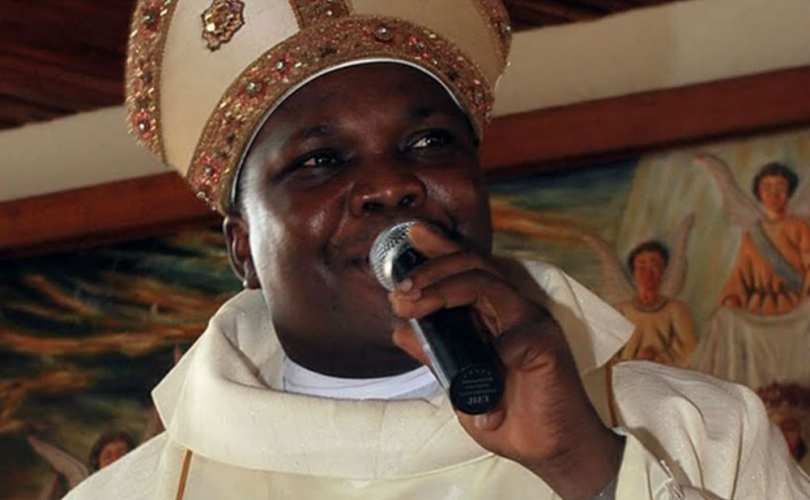
An African bishop slammed the Canadian government after a minister said Canada must be “subtle” in pushing abortion in African countries where it is not legal. International Development Minister Marie-Claude Bibeau made the remarks to the Globe and Mail when discussing the Liberal Part’s commitment of $97 million to the Democratic Republic of Congo. But Bishop Emmanuel Bajedo of Oyo, Nigeria, decried the minister’s comments. “Can there be a subtle way of committing a crime? I think not,” he told LifeSiteNews. “Unfortunately, some Western countries today play by the ‘economic might is right’ principle,” added Badejo, communications director for the African bishops. Foreign Affairs Minister Chrystia Freeland also announced in June the Liberals were putting sexual and reproductive rights “at the core” of their foreign policy. And in March, Prime Minister Justin Trudeau announced his government would spend $650 million over three years to promote abortion in developing nations. That includes funding campaigns to legalize it in countries where it is banned, as is the case in the DRC.
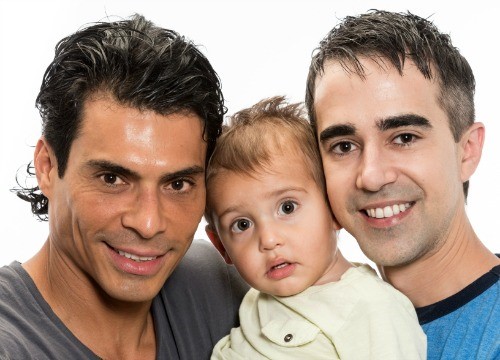
The Maltese parliament has passed legislation to allow the recognition of same-sex relationships as marriage. It did so by radically redefining all relationships in marriage, replacing the words ‘husband’ and ‘wife’ in law with the gender-neutral term ‘spouse’ instead. They also replaced the use of ‘mother’ and ‘father’ with the term ‘parent’. Lesbian couples who have children via donor sperm are distinguished by the terms ‘the person who gave birth’ and ‘the other parent’.
The legislation was passed overwhelmingly with only one dissenting vote willing to defy a party whip. Edwin Vasallo called the bill a “dishonest law” that would change the very fabric of Maltese culture. He also cited his faith for opposing the bill: “A Christian politician cannot leave his conscience outside the door” when he enters parliament, he said.
Maltese Prime Minister Joseph Muscat, who says he is Catholic, pledged to quickly introduce a gay “marriage” law in the predominantly Catholic country after his Labour Party won a snap election last month. Muscat told the BBC prior to the vote that promoting the LGBT agenda is a top priority of his administration. “Malta wants to keep leading on LGBT issues and civil liberties, to serve as a model for the rest of the world,” he said.
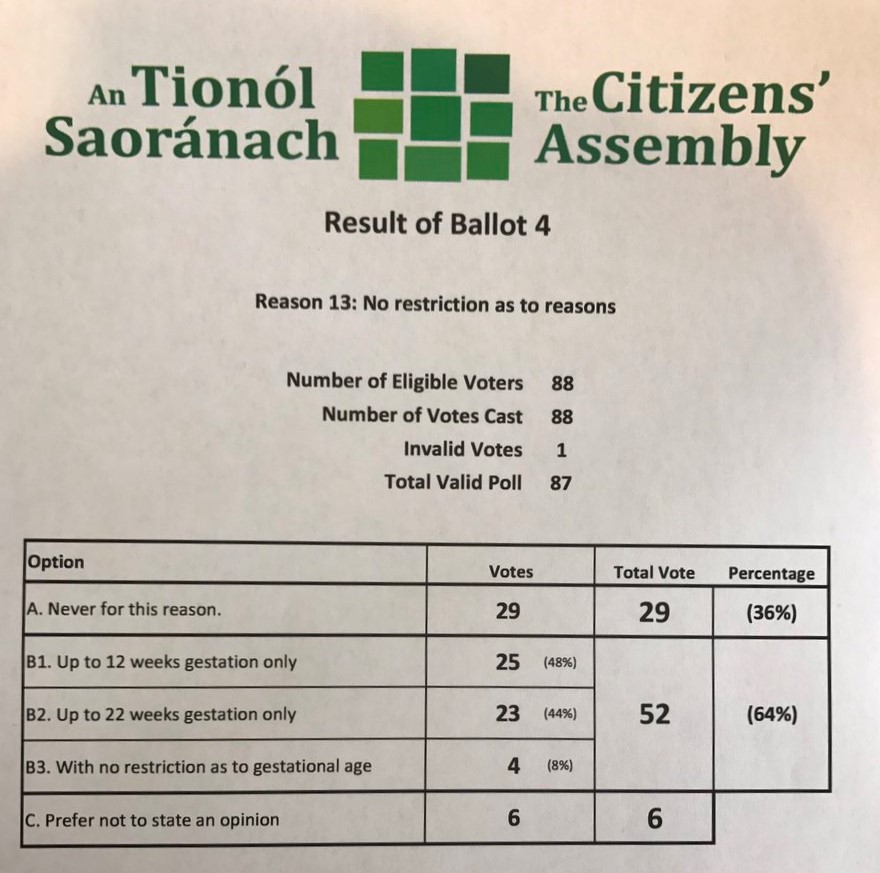
The Oireachtas committee set up to consider the recommendations of the Citizens’ Assembly on abortion will begin holding public hearings in September. Chair of the committee, Senator Catherine Noone, said the committee would examine all aspects of retaining, repealing and replacing Article 40.3.3 and will hear from a range of experts in the course of its work. The committee will meet in the Fall to finalise the list of witnesses and will hold a public hearing on September 20th with Ms Justice Laffoy, the chairperson of the assembly. It is expected that the Committee will recommend the holding of an abortion referendum, but it is not known whether that should be a full repeal or partial amendment of the Eighth amendment, or what degree of liberalisation of the abortion law might follow upon that.