
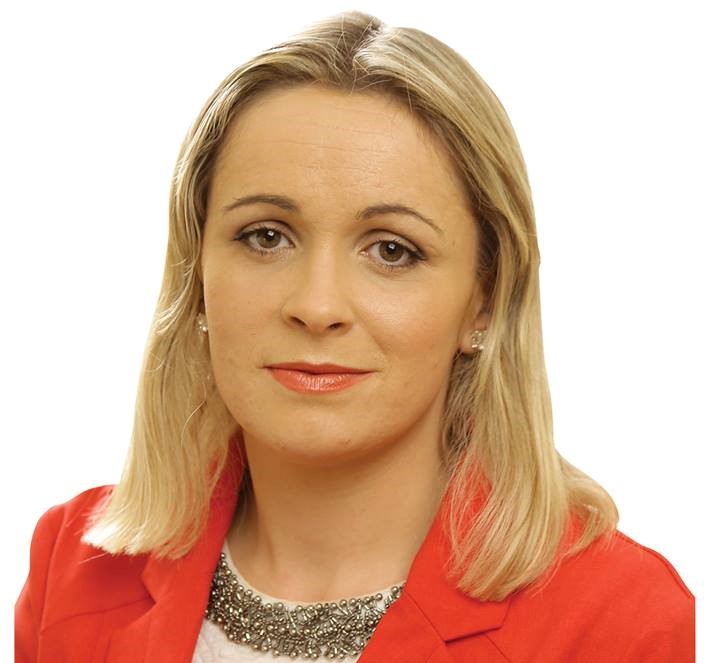
An Independent TD has voiced “serious concerns” about the effect a proposed new hate speech law could have on counter-cultural moral views.
Speaking to The Irish Catholic newspaper, Laois-Offaly TD, Carol Nolan, said she is worried about “the impact that such regressive legislation will have on the capacity of organisations and institutions, including the various Churches, to continue operating in a space where their counter-cultural message won’t be weaponised against them.
“Nothing in our recent political and cultural history suggests to me that the counter-cultural message of the Church on everything from pro-life issues to gender issues, will be given the benefit of the doubt or protected as legitimate freedom of speech,” Ms Nolan said.
The Bill states that in any proceedings for an offence under this section, a defence can be based upon a “reasonable and genuine contribution to literary, artistic, political, scientific, religious or academic discourse”. However, it is not made clear what a “reasonable and genuine contribution” is.
The law is setting up an “open season” on the Church, Ms Nolan said, and will “practically institutionalise the relentless attack mode that we have seen so much of in recent years”.
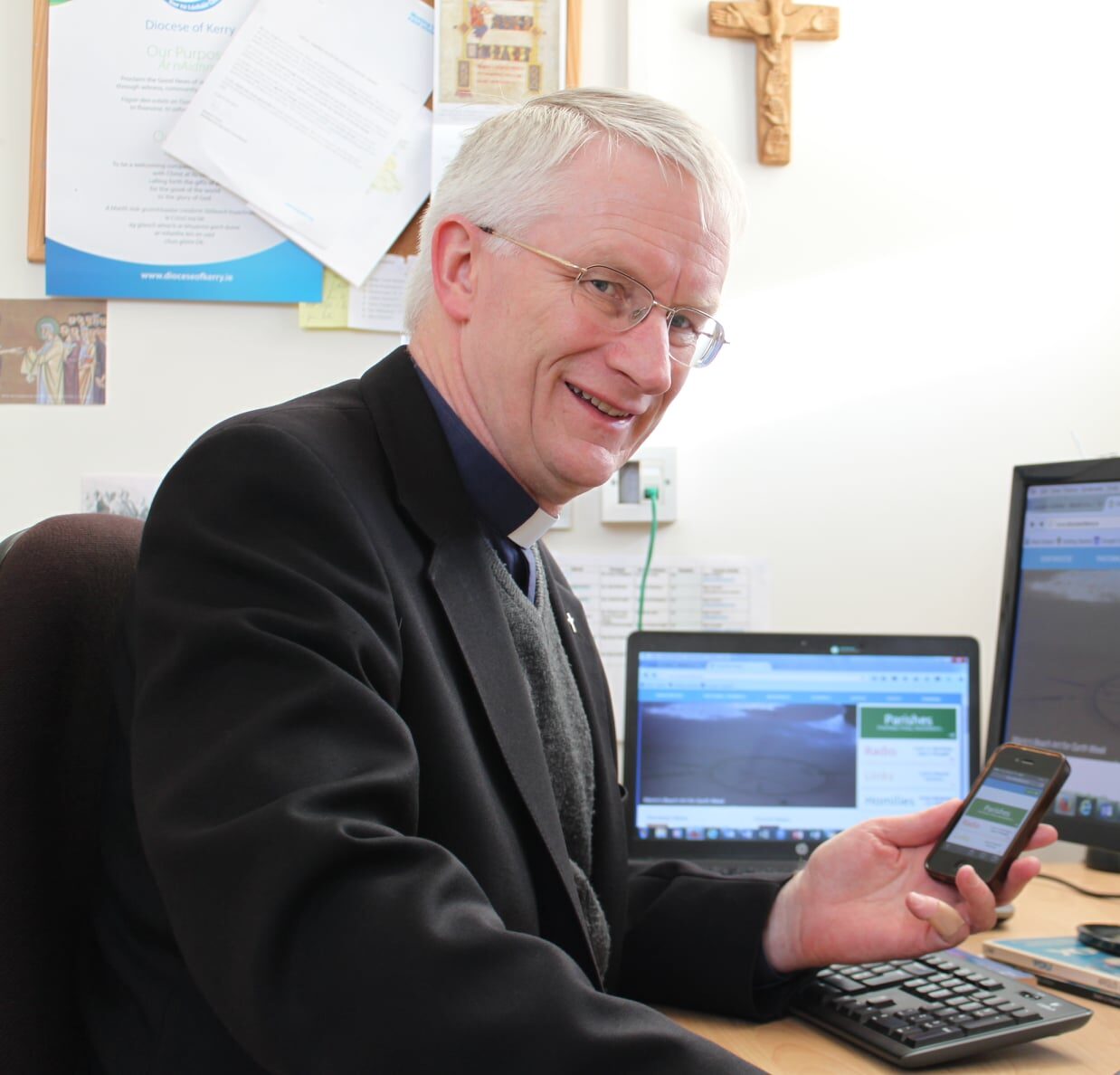
An Irish theologian has called on Bishop Ray Browne to publicly correct an “egregiously wrong” statement the prelate made about a controversial homily in Listowel, Co. Kerry.
Dr Tom Finegan of Mary Immaculate College in Thurles said that the bishop’s assertion that the views of Fr Seán Sheehy “do not represent the Christian position” is incorrect.
Retired priest Fr Sheehy continues to defend what he said regarding, sin, homosexuality, abortion and transgenderism during Mass in St Mary’s Church.
In a feature-length article in the Irish Catholic newspaper, Dr Finegan said the priest’s message was “essentially true” and that “Bishop Browne is wrong – egregiously wrong – when he bluntly asserts that Fr Sheehy’s statements ‘do not represent the Christian position’.
“Because his [Bishop Browne’s] assertion encourages presumption and discourages conformity to Christ, it is harmful to the eternal spiritual welfare of all who hear it. As a bishop he should publicly correct his remark for the sake of those with ears to hear.”
Ballot initiatives to expand abortion passed in a number of US states on Election Day. Some of the measures are even more permissive in their effects than the recently repealed Roe vs Wade ruling.
Americans in five states voted on the issue of abortion during the midterm elections on Tuesday. Three states — California, Michigan, and Vermont — proposed constitutional amendments to advance abortion. All three passed.
At the same time, citizens in Kentucky weighed a pro-life amendment and Montana voters considered a measure that promised to protect babies who are born alive after attempted abortions. Kentucky voted ‘no’ to its pro-life measure. Montana’s results are still coming in, though the majority so far have rejected the additional protection for infants who survive abortion.
Some of the measures went beyond the already very liberal Roe v Wade abortion rights regime.
In Michigan, Proposal 3 would effectively “enshrine a right to abortion on demand up to birth” and “remove parental-consent requirements for minors seeking . . . abortion, contraception, and sterilization”, according to journalist, Madeline Kearns.
Religious discourse is being offered some protection under the new Hate Crimes legislation published last week.
An earlier version of the bill had offered no exemption to religious speech, but did protect other categories of speech such as artistic or political expression.
The Heads of the Bill published last year would have established a criminal offence for speech with the purpose of “inciting hatred”, or being “reckless” as to whether such speech would incite hatred, of people due to some protected characteristic such as race or sexuality.
It was also proposed that an acceptable defence against prosecution would be if the offending material consisted solely of “a reasonable and genuine contribution to literary, artistic, political, scientific, or academic discourse”.
The full text of the bill now says it shall be a defence to prove that the offending material consisted solely of “a reasonable and genuine contribution to literary, artistic, political, scientific, religious or academic discourse”.
In a statement, Atheist Ireland said they strongly disagree with what they called “the harmful Catholic beliefs” expressed by Fr Sean Sheehy, but added that they “also support his right to preach such harmful Catholic beliefs to people who attend Catholic Mass”.
They noted that Bishop Ray Browne of Kerry has apologised for the homily, saying it does not reflect the Christian position Christian teaching.
“But Bishop Browne is wrong to say the homily does not reflect Catholic teaching on abortion, gender theory, and homosexuality. The homily reflects the positions taken on these issues by Pope Francis and the Vatican’s Congregation for the Doctrine of the Faith”, they say.
“Father Sheehy’s problem is not that he is mistaken about Catholic Church teaching. It is that he is too honest about it, and his honesty has upset his Bishop and some of his congregation”.
“Significant improvements” are needed to new legislation on hate speech to avoid a situation where the courts struggle to interpret the law, according to the Irish Council for Civil Liberties (ICCL).
The ICCL also suggested that the Government is “steamrolling” the complex legislation through the Oireachtas and this is “risking bad law”.
Spokesperson, Doireann Ansbro, decried the loose definition of hatred. The Bill says “‘hatred’ means hatred against a person or a group of persons in the State or elsewhere on account of their protected characteristics”. However, Ms Ansbro said this amounts to a definition of “hatred is hatred”.
She added that the ICCL is concerned that the courts “will struggle to interpret what hatred is and therefore people who potentially should be convicted won’t be convicted”.
She also raised concern about freedom of expression and said ICCL would like to see an explicit reference to protections under the European declarations on rights as well as the jurisprudence of the European Court of Human Rights.
She cited one European court case involving the right to shock, offend and disturb and said: “We have to be clear that we’re not criminalising offensive language and we’re not protecting people from being offended.”
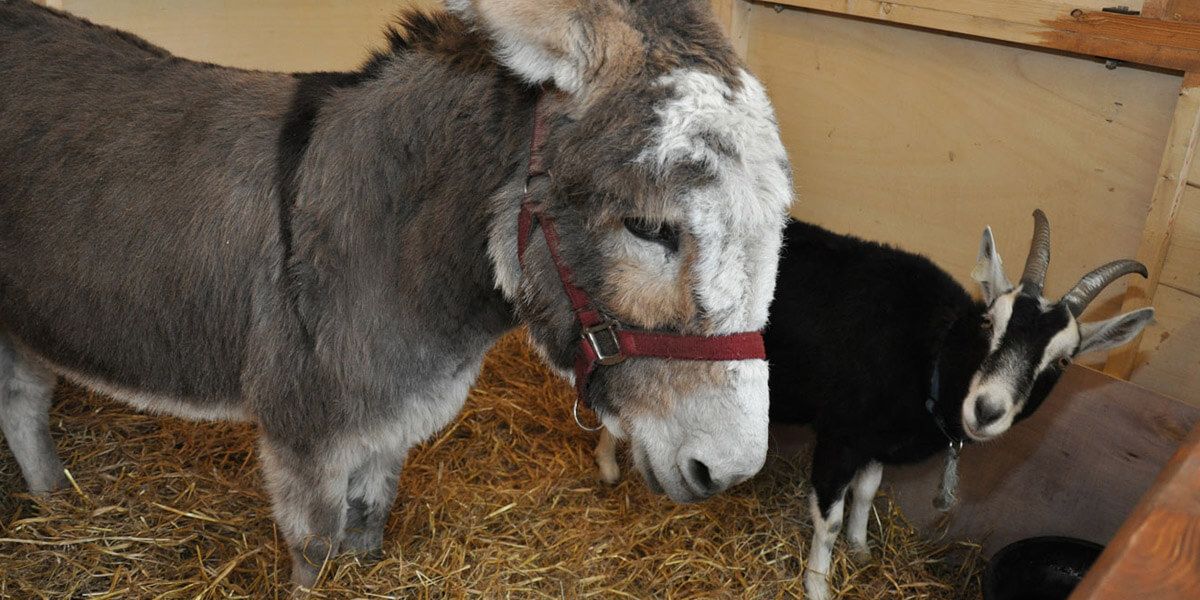
The Lord Mayor of Dublin Caroline Conroy has criticised opposition from Fine Gael to the removal of live farm animals from a Christmas nativity crib outside the Mansion House as an “opportunistic political attack”. However, she confirmed that the crib itself will not be gotten rid of.
Ms Conroy, a Green Party councillor, said the experience offered to parents and children at the crib in Dublin city centre had been “underwhelming” in recent years.
“People enter what is effectively a shed at one end and passively view some farm animals for a few minutes, lately behind a perspex screen, before exiting the other side,” she told a meeting of Dublin City Council (DCC) on Monday.
The Lord Mayor said she had decided there was a need for a “significant revamp”, which included removing the live animals from the crib display.
The councillor told the meeting instead a winter wonderland-style experience would be set up, with sleighs and Christmas-themed post boxes where children could pose for photographs.
A prominent cleric said he had been left “speechless’’ over the Bishop of Kerry’s attacks on remarks delivered in a recent sermon in Listowel.
Fr Paddy McCafferty, parish priest at Corpus Christi, in Ballymurphy, West Belfast, said his clerical colleague, Fr Sean Sheehy, was “only saying what the Church teaches.”
Referring to Bishop Ray Brown’s subsequent statement, he said “It is utter nonsense”, adding, “shock horror priest teaches what the church stands for.”
In footage shared on social media Fr Sheehy (80) told the congregation: “You rarely hear about sin, but it’s rampant, it’s rampant. We see it for example, in legislation.
“We see it in the promotion of abortion, we see it and in the example of this lunatic approach of transgenderism and in the promotion of sex between two men and two women.
His remarks prompted dozens of members of the congregation to get up and leave and resulted in Bishop Browne’s apology.
He said Fr Sheehy’s remarks “do not represent the Christian position.”
A last effort to save the traditional live-animal crib outside Dublin’s Mansion House will be made at a meeting of Dublin City Council tonight.
Lord Mayor Caroline Conroy of the Green Party last month announced the crib, which has been erected at Christmas outside the Manion House on Dawson Street since 1995, would be stood down this year.
Ms Conroy, a Green Party councillor said she intended to introduce a more “inclusive” winter wonderland-style experience, with choirs, sleighs and post boxes at the Mansion House in place of the nativity with live animals.
Her decision has drawn criticism from politicians from a number of parties as well as the Irish Farmers’ Association (IFA) and the Dublin Society for the Prevention of Cruelty to Animals.
The Government faced strong opposition from members of the public over plans to expand ‘hate’ crime and ‘hate’ speech laws, newly released documents show.
More than 3,600 submissions by letter or online from the public, elected representatives, political parties and academics were received ahead of Ministers last week approving a Bill intended to make prosecutions for hate speech and hate crimes easier.
People complained that the plans were an “interference” in freedom-of-speech entitlements, represented a “grave threat” to democracy and could be considered “Orwellian”.
The Department of Justice received 3,526 online survey responses, with a number stating that there should be “no limit” on free speech.
While the public were mostly against the proposals, the majority of submissions from politicians and academics agreed with the proposed new law.