
Senior figures in the HSE decided to continue allowing controversial puberty blocking treatment at Crumlin Children’s Hospital in the wake of a High Court ruling in London in December, according to internal communications seen by The Irish Times. They also reassured the hospital that it would continue to be indemnified by the State Claims Agency.
The HSE were of the view that the “risk of withdrawing treatment on foot of ruling in another jurisdiction represents far higher risk to patients than continuing treatment and we support clinicians in same”, according to an email circulated a week after the judgment.
The High Court in London ruled on December 1st that puberty blockers were an “experimental treatment” and it was not possible for patients aged under 16 to give the required legal consent.
Relatedly, an October 2020 briefing paper prepared for the HSE noted that the endocrinologist at Crumlin who had a special interest in transgender services had resigned in September 2020 and that a “significant reason” for the resignation was the failure to establish a multidisciplinary team and agree a model of care. “The decision to embark on a medical transition journey for young people without comprehensive specialist multidisciplinary psychosocial team assessment and support can lead to catastrophic outcomes,” the report noted.
The documents released under Freedom of Information also included emails from consultant psychiatrist Paul Moran. Referring to the Keira Bell case against Tavistock he said: “It is only a matter of time before we will have cases taken against the HSE by some of the children currently attending Crumlin. The same gender service (Tavistock GIDS) implicated in the case above continue to recommend hormone treatments for children without adequate assessment.”
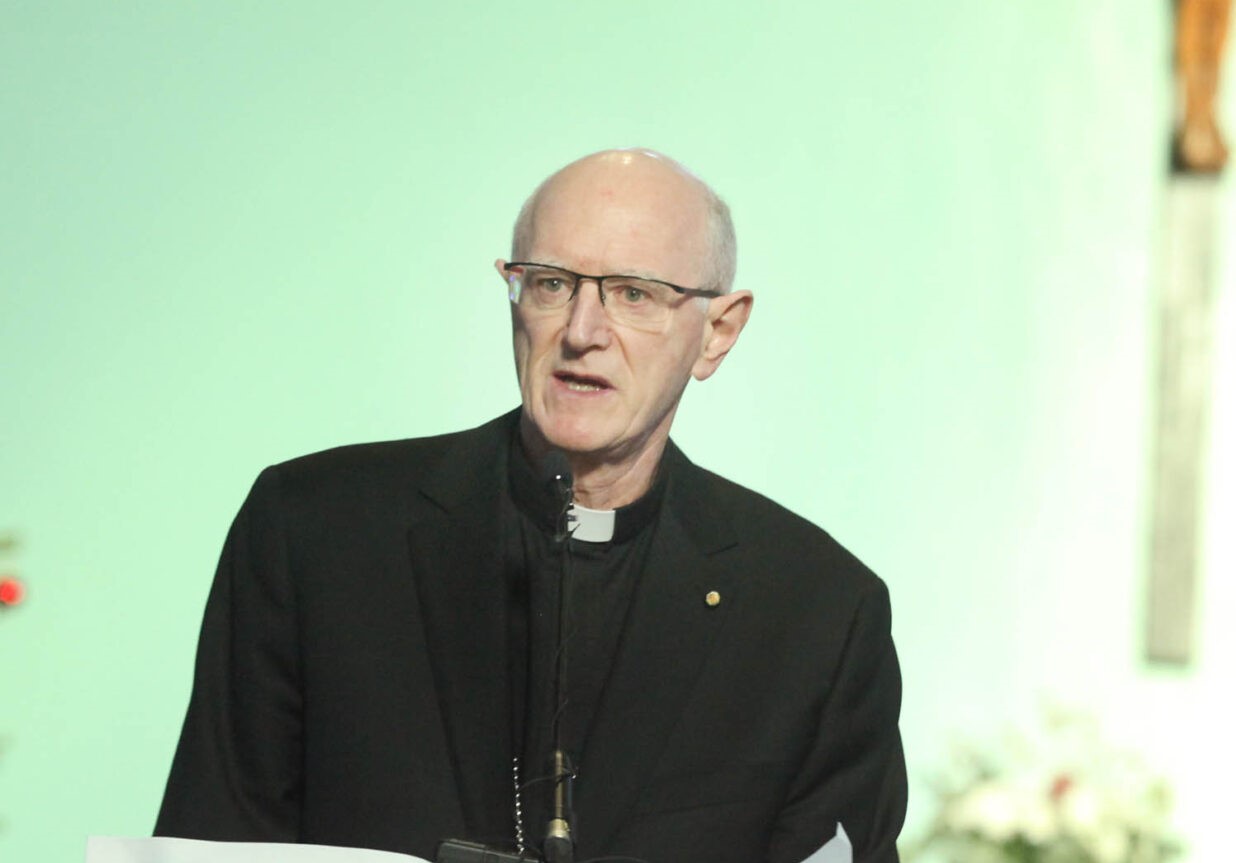
The Irish Catholic Bishops have blasted an assisted suicide bill currently before the Oireachtas and urged members of the Church to lobby politicians to reject it entirely.
In a statement following their Spring Quarterly meeting, the bishops said the bill wrongly proposes the deliberate ending of life as a way of conferring dignity on people with terminal illness. They argue the opposite: “Human dignity belongs to every person by virtue of his or her human nature. Terminal illness does not take away that dignity. Indeed, in our experience, the inherent dignity of the person often shines through under those difficult circumstances. Under existing law and current best practice, people with terminal illness are supported by family members, by doctors and nurses and palliative care teams, in living life to the full until death comes naturally”.
Assisted suicide, however, reflects an unwillingness of society to accompany people with terminal illness and would amount to a failure of compassion.
They also said, once accepted in principle that one person may participate actively in ending the life of another, “there is no longer any logical basis for refusing this same option to any person who feels that life is no longer worth living”.
They also tackled the effect on the art of medicine and those who practice it, saying that doctors and nurses, whose vocation and purpose is to serve life, would be involved in ending life.
“This would represent a radical transformation of the meaning of healthcare.”
They finish by saying the Bill is fundamentally flawed and they “call on Catholics to ask their elected representatives to reject it entirely”.
A number of TDs and Ministers of State have said there should be an increase in the number permitted at funerals following criticism of the current limit of 10 by the Catholic hierarchy.
Minister of State for Special Education Josepha Madigan said the limit should be raised to 25, like other countries, and she added that Ireland is “out of step” for having a total ban on religious services.
Minister of State for Farm Safety Martin Heydon and Minister of State for Trade Promotion Robert Troy added their voices to the calls for change.
Aontú leader Peadar Toibin said at the moment attendance at a funeral “can be a lottery”, and that “priests are forced to turn family members away at the doors of church”.
Independent TD for Laois-Offaly Carol Nolan said that the limits were “completely detached from the nature of how we as a people express our grief and share our solidarity with those who suffer”.
And Independent Senator Ronan Mullen said the bishops have “a strong point”.
“They are right to encourage people to use their lobbying voice to seek arrangements that are proportionate given the important rites at stake but also the public health challenge.”

A man is to stand trial in Co Donegal charged with the unlawful termination of a pregnancy.
The man, who cannot be named for legal reasons, appeared at Letterkenny District Court in Co Donegal.
The man’s solicitor, Rory O’Brien, said this was the first time such a charge had come before the courts in the State.
The man, who now lives in Dublin, was charged under section 23(2) of the Health (regulation of termination of pregnancy) Act 2018 on February 14th, 2020, in Letterkenny.
The act says it is an offence for a person to prescribe, administer, supply or procure any drug, substance, instrument or apparatus or other thing knowing that it is intended to be used to end the life of a foetus, or being reckless as to whether to be so used or employed, otherwise than in accordance with the provisions of this Act.
The case was adjourned to the circuit court on April 20th.
A nun went down on her knees in front of policemen in a northern Myanmar town and pleaded with them to stop shooting protesters agitating against last month’s coup.
Video showed Sister Ann Rose Nu Tawng in a white robe and black habit kneeling on a street in the town of Myitkyina on Monday, speaking to two policemen who were also kneeling.
“I begged them not to hurt the protesters, but to treat them kindly like family members,” she told Reuters in a telephone interview.
“I told them that they can kill me, I am not standing up until they give their promise that they will not brutally crack down on protesters.”
Tawng and one of the policemen are seen touching their foreheads to the ground, but gunfire started soon afterwards.
“We heard loud gunshots, and saw that a young kid’s head had exploded, and there was a river of blood on the street,” Tawng said.
At least two protesters were killed and several others injured, she and other witnesses said.
Tawng tried to bring some of the victims to the clinic before she was blinded by tear gas.
“Our clinic floor became a sea of blood,” she said. “We need to value life. It made me feel so sad.”
The nun had also come between protesters and police lines late last month, pleading for peace, local media reported.
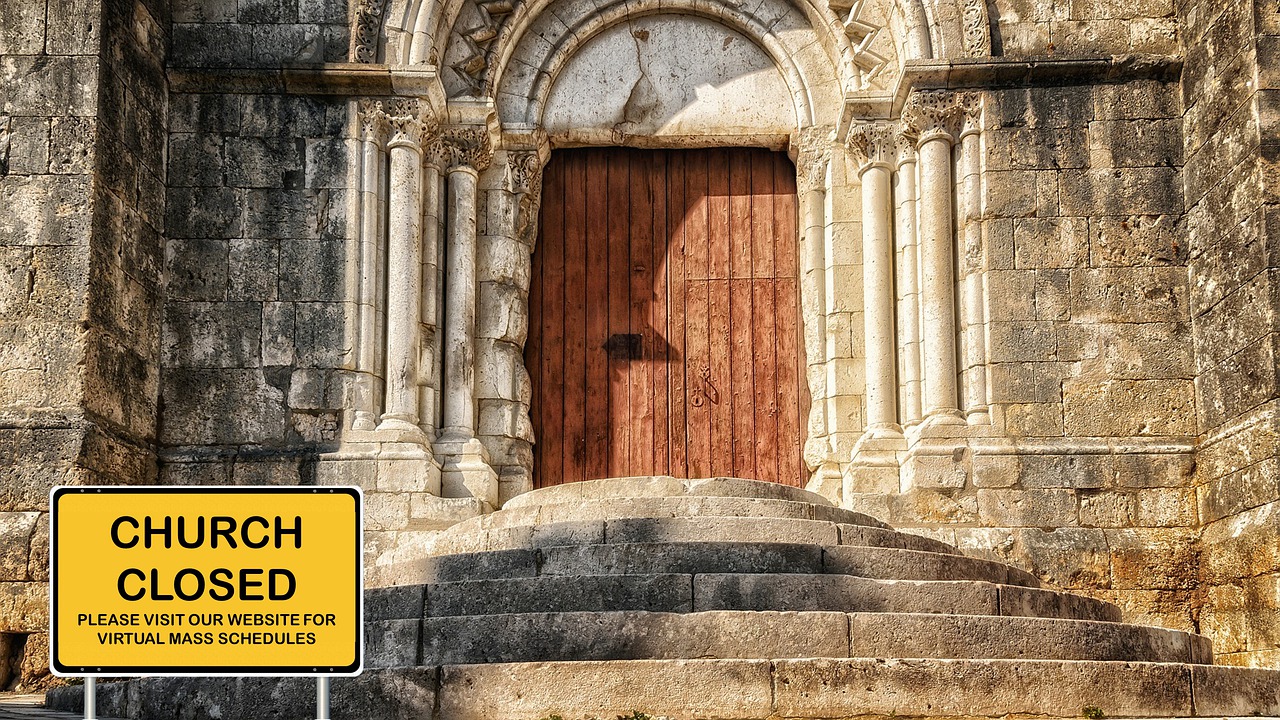
Places of worship in Scotland will open on 26th March, in time for Easter, Passover and Ramadan, rather than the previously scheduled 4th April.
The announcement was made just days before a landmark court hearing is due to challenge the restrictions.
The new rules will end the blanket ban after almost three months. Authorities in England, on the other hand, have upheld freedom of worship despite their other restrictions this year, whilst managing public health concerns.
Though welcoming the concession, human rights experts affirm that it is necessary for the case to nevertheless proceed, in order to prevent the disproportionate suspension of fundamental freedoms in the future.
“It is important for the Court to decide whether this ban was truly justified – especially as there is a good chance such measures could be repeated in the future”, said Ryan Christopher, Director of ADF UK.
“The government’s own medical advisors conceded in November that there is no robust medical evidence for the closure of churches, which have remained open in most European countries throughout 2021. There is no clear reason why the Scottish government could not find solutions which protect both the vulnerable and those who understand their communal worship to be as essential as food and water”.
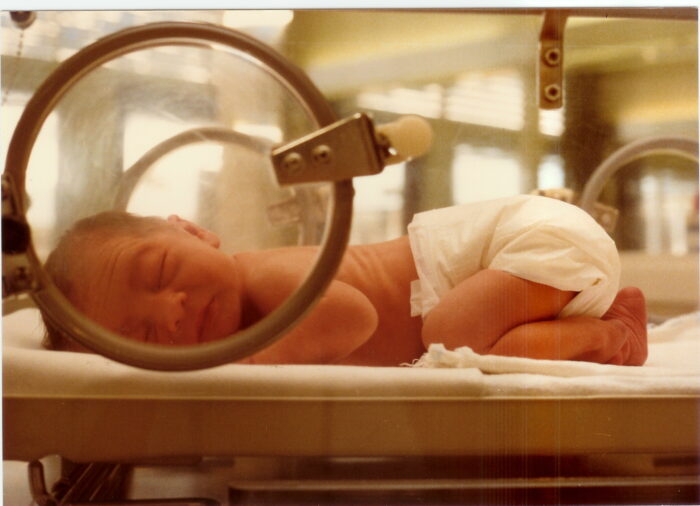
Claims of a right to infanticide are being adjudicated this week in a case before the Inter-American Court of Human Rights.
The Court is the judicial institution of the Organization of American States (OAS) and is the equivalent of the Strasbourg Court for the states of the American continent. It interprets and enforces the American Convention on Human Rights in states party to that Convention.
The case was prompted by a woman named Manuela who went to a hospital claiming to have had a miscarriage. However, an autopsy revealed that the child had been murdered after birth. Manuela was sentenced in August 2008 to thirty years in prison, not for abortion but for the murder of her son.
Manuela is part of a group known as “las 17 +”, more than seventeen women convicted of infanticide in El Salvador. NGOs conducted a political and media campaign based on these women’s stories, claiming that infanticide of their children was their only solution, due to the abortion ban and their economic and social conditions.
According to the European Centre for Law and Justice, the court will rule on two questions: Does the right to privacy imply the recognition of a “right to abortion”? And, Is there such a “right to abortion” even after birth, i.e. a right to kill a newborn baby?
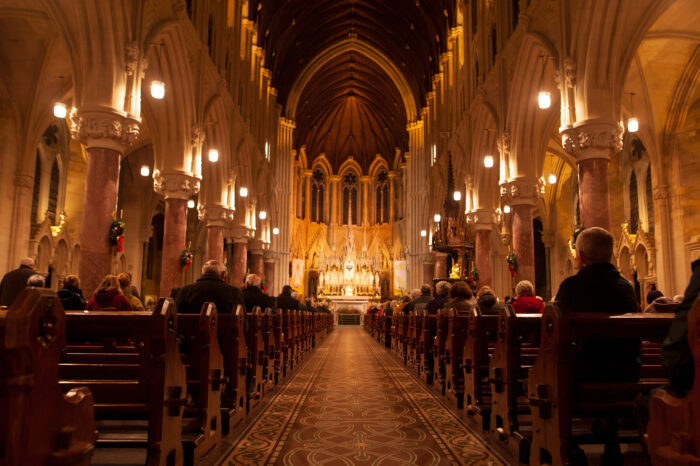
Public worship should be restored as soon as the current Level 5 restrictions begin to be eased, according to the Catholic Bishops of Ireland. Currently, public worship will not be restored until Level 2, which could be months away. In the EU, only Slovenia, Slovakia and Ireland have a total ban on public worship at present.
On February 19th four of the bishops met with An Taoiseach Micheál Martin, but in a statement released yesterday, they said that none of their concerns have been addressed.
Being deprived of public liturgies during Holy Week and Easter, for the second year running, is particularly painful they said.
They added that the current 10 person limit for attending Funerals is a severe restriction that is causing untold grief to families and that limit should be increased with immediate effect.
Meanwhile, Fr Chris Hayden, the former editor of Intercom, a magazine of the Bishops’ Conference, has asked why restrictions can begin to be eased on April 5th, Easter Monday, and not the day before, on Easter Sunday.
Writing in the Irish Times on the same day the Bishops’ statement was released, he said: “What is it about the day after Easter? Is there some symbolic significance to beginning a partial reopening on a bank holiday, a day on which, incidentally, people tend to get together?
“And what is it about the first four days of April – Holy Thursday, Good Friday, Holy Saturday and Easter Sunday? Why could it not be regarded as fitting that on those solemn days, limited numbers of Christians should gather in their churches, subject to all the careful procedures and protocols put in place after the first lockdown?
“What is the epidemiological significance of those first days of April? How is it that we will all be so much safer for having continued to outlaw scrupulously controlled and sanitised public worship for those days?”
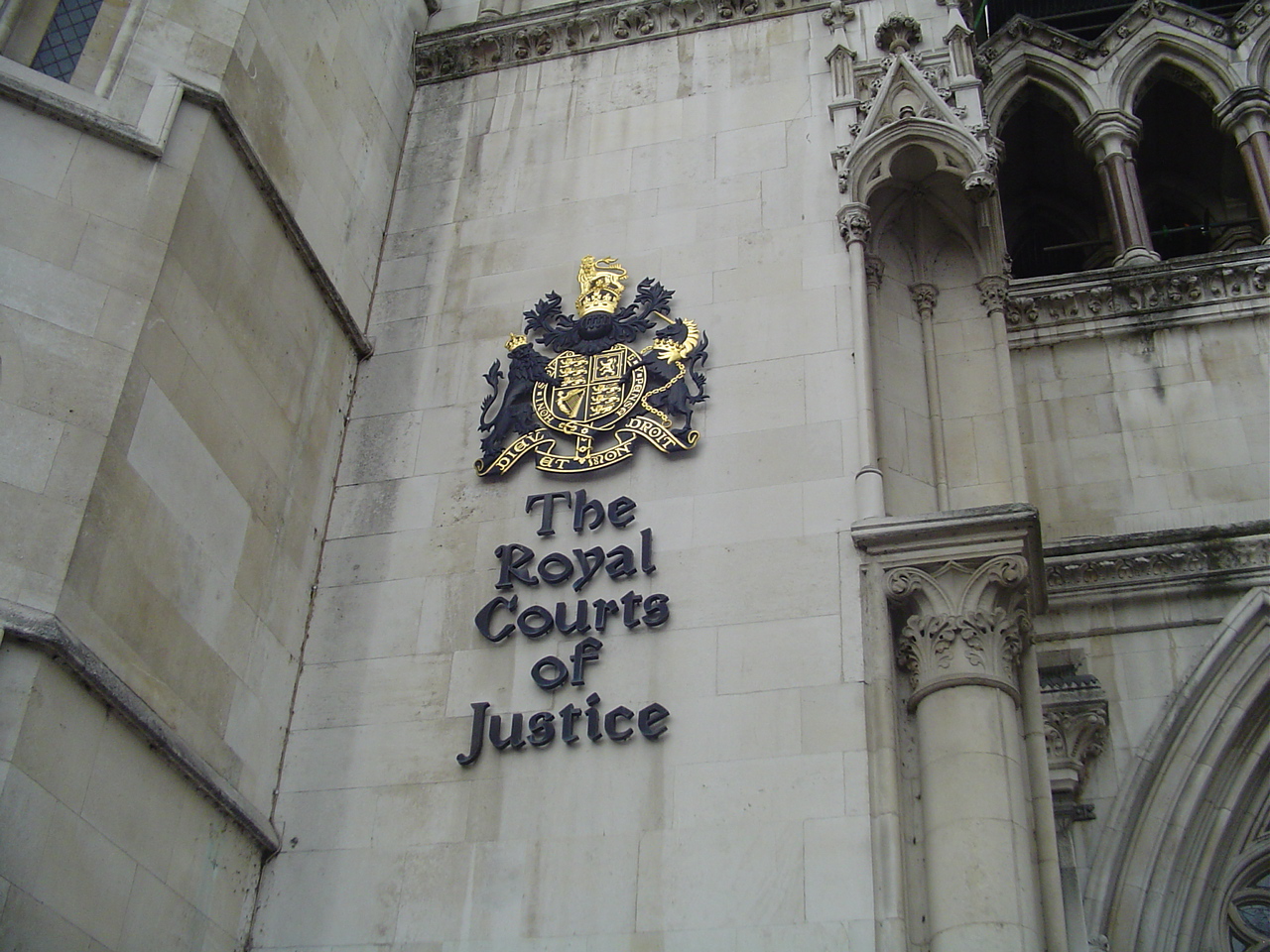
A leading law lecturer has questioned the legality of the actions of gardai in enforcing restrictions against religious gatherings during the current level 5 lockdown.
Oran Doyle is a professor in law at Trinity College Dublin and director of the COVID-19 Law and Human Rights Observatory.
He was part of a team that produced a recent report by the Irish Human Rights and Equality Commission on “Ireland’s Emergency Powers During the Covid-19 Pandemic”.
In a follow-up blog post yesterday, he commented on media reports of the gardaí threatening prosecution of those who organise or attend religious services. He reviewed the two grounds on which it could be argued that a criminal offence is committed in this context, and he rejected both.

Switzerland has narrowly voted in favour of banning face coverings in public, including the burka or niqab worn by Muslim women.
Official results showed the measure had passed by 51.2% to 48.8% in Sunday’s referendum.
The proposal was put forward by the Swiss People’s Party (SVP) which campaigned with slogans such as “Stop extremism”.
A leading Swiss Islamic group said it was “a dark day” for Muslims.
“Today’s decision opens old wounds, further expands the principle of legal inequality, and sends a clear signal of exclusion to the Muslim minority,” the Central Council of Muslims said in a statement, adding that it would challenge the decision in court.
The Swiss government had argued against the ban saying it was not up to the state to dictate what women wear.