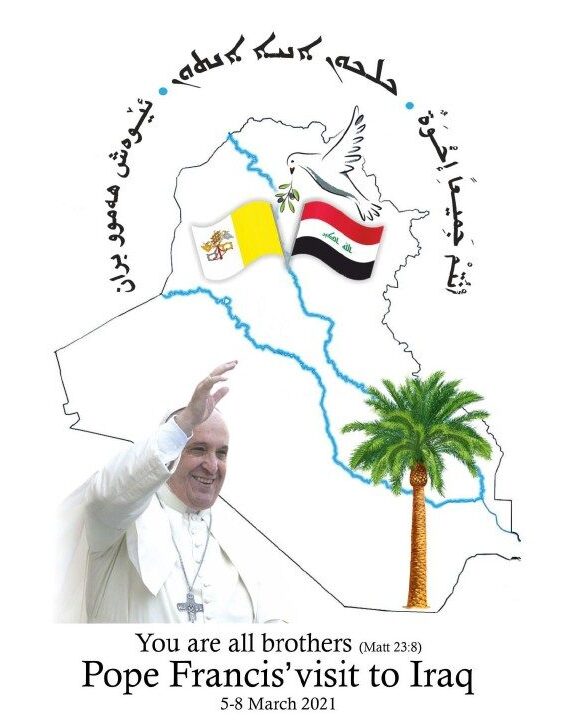
Pope Francis met with Iraq’s most influential Shiite Muslim leader, Grand Ayatollah Ali al-Sistani, on a Saturday in a historic encounter aimed at building bridges between Christians and Muslims.
The two leaders invoked religion for the cause of peace and protection of the vulnerable, including Iraq’s beleaguered Christian minority. The summit at al-Sistani’s residence in the city of Najaf was the first-ever meeting between a Catholic pope and a Shiite grand ayatollah in Iraq.
In a statement issued by his office afterward, al-Sistani affirmed that Christians should “live like all Iraqis, in security and peace and with full constitutional rights.”
Al-Sistani wished Francis and the followers of the Catholic Church happiness and thanked him for taking the trouble to visit him in Najaf, the statement said.
Pope Francis, who on Friday called on Iraq’s political leaders to guarantee the equal rights of the country’s Christians, thanked Mr. Sistani “for speaking up—together with the Shiite community—in defense of those most vulnerable and persecuted amid the violence and great hardships of recent years,” the Vatican said.
Iraqis cheered the meeting, and the prime minister responded to it by declaring March 6 a National Day of Tolerance and Coexistence in Iraq.
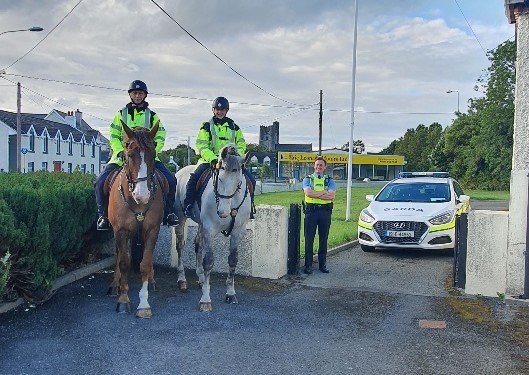
Gardaí have stopped the distribution of holy Communion at a church in Dublin. The new archbishop of Dublin, Dermot Farrell, has supported the move.
Fr Binoy Matthew, a parish priest in west Dublin had been giving the sacrament to parishioners every week after online mass throughout the pandemic.
Anyone receiving communion adhered strictly to sanitising and social distancing protocols and came to the church over a two-hour period. “They came through the main body of the church, received communion, and left through a side exit. There was no congregating,” he said.
“It is not as if the whole world was coming to us – it was a small group of people who carried out the correct sanitising and protocols. They didn’t stay in the church for prayers or gather in groups.”
He said gardaí told them they we were in breach of Covid protocols “so we decided not to continue.”
A garda spokesperson said they became aware of “an event involving organised activity taking place in a church” and engaged with the relevant people.
“This organised activity is no longer taking place,” he said.
Fr Matthew questioned the move: “You can have over a hundred people in a small supermarket or congregating in a queue for a takeaway coffee. But you cannot allow people to come individually to their parish to receive communion. It seems this is what the Government wants,” he said.
The children’s hospital in Crumlin, Dublin, was given a “comfort letter” saying it was still indemnified for the continued administration of puberty blockers to children with gender dysphoria, following a landmark judgment by an English court.
Advice was sought from the State Claims Agency, which handles high-value damages cases taken against public bodies, following which the letter was issued, according to The Irish Times.
On December 1st last, a three-judge divisional court of the high court in London ruled that the treatment of children and young people with puberty blockers by the Tavistock NHS clinic in London did not comply with the law in relation to informed consent when the patients were under 16 years of age.
Tavistock has been assessing Irish patients with gender dysphoria for almost a decade, with the patients being seen by a visiting team at Crumlin hospital that decides if they should be given puberty blockers.
Representatives of Catholic bishops from across the EU have defended Poland’s legal protections for unborn children from an attack by the European Parliament.
In a letter released on Feb. 25, the bishops said that a resolution of the Parliament, passed on Nov. 26, 2020, would have “a very negative impact” on the way that the European Union (EU) is seen by member states.
The resolution, passed by 455 votes to 145, lamented what it called a “de facto ban on the right to abortion in Poland.”
Up to last year, Polish law permitted abortion in cases of rape or incest, a risk to the mother’s life, or where the unborn child suffered from a life-limiting condition likely to result in the death of the child. However, a Court ruled that the latter, on foetal abnormality, breached the Polish Constitution and would no longer be permitted. Abortion in the other cases remains in place.
In their letter, the bishops said: “From a legal perspective we wish to underline that neither European Union legislation nor the European Convention on Human Rights provide for a right to abortion. This matter is left up to the legal systems of the member states.”
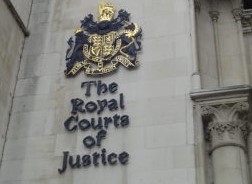
A judicial review of the Scottish government’s ban on public worship will be heard at a hearing scheduled for 11th-12th March 2021.
A Glasgow priest has joined with various independent protestant churches to challenge the ban.
In a new video statement, Canon Tom White said “it’s very, very important that we keep each other safe, and that we keep our local communities safe; but as Christians, we acknowledge that we not only have physical needs, but spiritual needs. We need to make sure that we’re not neglecting our spiritual needs. This is really, truly essential for the wider holistic health of ourselves as a society”.
The Glasgow priest has joined with legal experts from ADF UK to launch the “Let Us Worship” campaign, which is gathering signatures of support from the public.
“Freedom of religion is a foundational human right. This right should be limited only to the extent that is necessary and proportionate. The government’s own medical advisors conceded in November that there is no robust medical evidence for the closure of churches, which have remained open in most European countries throughout 2021. There is no clear reason why the Scottish government could not find solutions which protect both the vulnerable and those who understand their communal worship to be as essential as food and water,” said Ryan Christopher, Director of ADF UK.
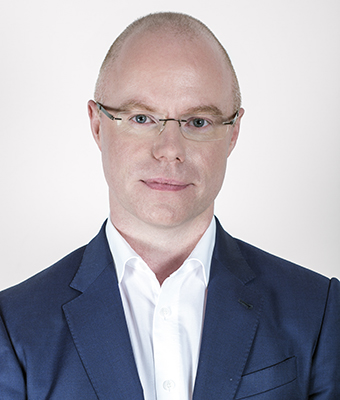
The Minister for Health Stephen Donnelly has given no commitment to proceed with previous plans to ban pro-life gatherings outside facilities that provide abortions.
He was responding to a question from Social Democrats TD Holly Cairns about legislating for protest-exclusion zones.
In a parliamentary response to Ms Cairns, Mr Donnelly said that, while it was originally intended to provide for this in legislation, “a number of legal issues were identified which necessitated further consideration”.
“Since services under the Health (Regulation of Termination of Pregnancy) Act 2018 commenced in January 2019, there has been a limited number of reports of protests or other actions relating to termination of pregnancy.
“This is an extremely positive development, suggesting that termination of pregnancy services have bedded in relatively smoothly to date and are becoming a normal part of the Irish healthcare system, in line with Government policy.
“However, where problems do arise with protests outside health care services, there is existing public order legislation in place to protect people accessing services, employees working in the service and local residents.”
Separately, it has been reported that Mr Donnelly has started a review into the State’s abortion legislation.
The abortion legislation is due to be reviewed, three years after its passage.
Pope Francis has begun a first ever papal trip to Iraq to preach a message of peace and reconciliation to warring communities and bring hope to a heavily persecuted Christian minority which has seen its numbers plunge in recent years.
He was greeted by the country’s Prime Minister, Mustafa Al Kadhimi, at Baghdad International Airport and together they travelled to the Presidential Palace where the holy Father met the President, Barham Salih.
There he gave an address to Government authorities, Civil Society leaders, and the Diplomatic Corps.
After that, he travelled to the Syro-Catholic Cathedral of “Our Lady of Salvation”, the scene of a 2010 terrorist attack where six ISIS suicide bombers killed dozens of worshippers during mass.
On Sunday, he will travel North to visit ancient Christian communities devastated by Isis.
He returns to Rome on Monday morning.
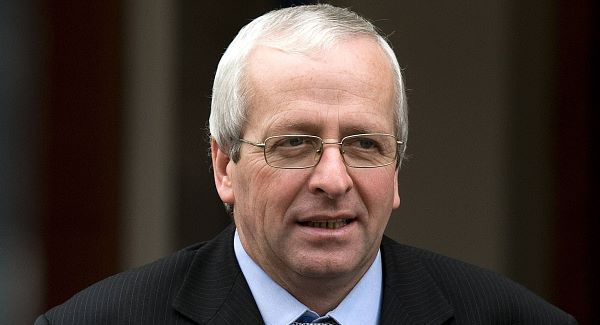
The Rural Independent Group of TDs raised the issue of reopening religious services, warning that people are being ‘profoundly damaged’ by the closure of public worship.
On Newstalk Breakfast, Deputy McGrath said public worship, “brings a peace and a solitude and spiritual nourishment to people.”
“They have been locked out of this in a meaningful way for almost 12 months like everything else now,” he said.
“Especially in the season of Easter, people like to be able to go to their places of worship and indeed to be involved and engaged.”
The rural TDs have written to the Taoiseach asking for the scientific evidence supporting the ban on public worship, warning that the absence of published data has “led many to conclude that it is backed less by science and more by an inability to grasp the fundamental constitutional importance of public worship.”
In a reply from the Health Minister Stephen Donnelly, the group was told that it is “not feasible to provide reliable estimates of the impact on R of very specific interventions.”
As a result, the group is calling for a move away from the “the harshest and most draconian possible approach” to a “more prudent and responsible” one.

A husband suing over the wrongful death of his wife wants damages to cover the cost of bringing the couple’s frozen embryos to birth via surrogacy.
He and his wife had initiated the IVF process before she passed away of cervical cancer.
He took a case against the HSE and three labs for allegedly misreading a smear test in 2011.
Counsel for Mr Creaven said he is determined to honour his wife’s wish and proceed to have a child through surrogacy. The couple’s frozen embryos are in a fertility clinic in the Czech Republic and Mr Creaven wants to go to the US for surrogacy. “It is the only way he can fulfill the wish they both had.”
The case also includes a claim for aggravated or punitive damages in relation to an alleged comment by a consultant to a member of Ms Mitchell Creaven’s family during a disclosure meeting in 2018 in relation to the result of an CervicalCheck audit of the 2011 slide. The consultant’s alleged comment: “Well, nuns don’t get cervical cancer” was “grossly insensitive”, counsel said.
On Thursday it was reported that the case was settled out of court.
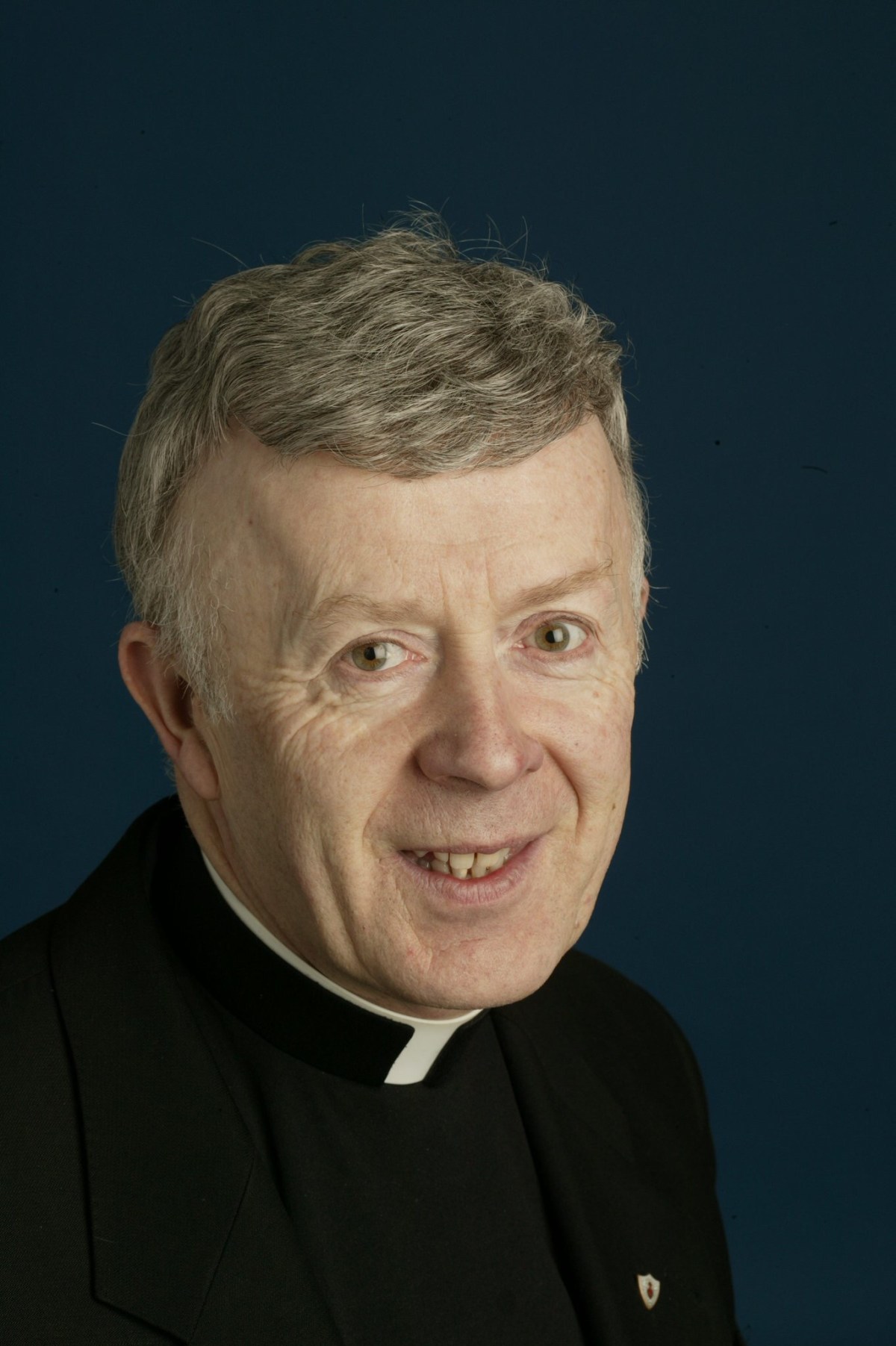
The bishops of the Tuam province have “expressed concern” that public worship may not be available “for months to come” under the Government’s five stage plan.
In a statement released Wednesday, the bishops encourage Catholics to obey the law, but says it does not mean “we cannot or should not speak out when we believe that something seems unfair or could be done better”.
In particular, they are concerned “that public worship is still excluded even at level 3. This would suggest that we may not have the opportunity to celebrate Mass together for months to come,” the statement reads.
“It ignores the important contribution of communal worship to the mental and spiritual well-being of people of faith. The fundamental importance of Holy Week and Easter for all Christians, makes the prohibition of public worship particularly painful.
Regarding funerals, they argue that “a modest increase to 25 would, without compromising safety, bring much consolation to grieving families”.