

The UK Government has amended abortion regulations to allow women to take abortion pills at home after a telephone consultation with a doctor. A similar move has taken place in Ireland. This came after the government had initially said just last week that it would not allow the change due to safety and safeguarding concerns. The changes are the most significant change to abortion in England since the Abortion Act was passed in 1967. The amendment, controversially, comes without public consultation or parliamentary debate or scrutiny.
Ryan Christopher, Senior Policy Officer for ADF International in London said the move puts women at risk: “As a society we should support all pregnant women, especially those in difficult circumstances. No mother should ever be made to feel that she is alone and without hope. Allowing unsupervised home abortions puts women across the UK at risk of going through a difficult experience without much needed care, support, and medical expertise.”
“Additionally, the risk of abortions being forced rises significantly if allowed at home. Rather than permitting this, especially in this time of crisis, the government should be using its resources to support both mother and child. We all want a society in which parents feel able to welcome their children into the world,” he said.
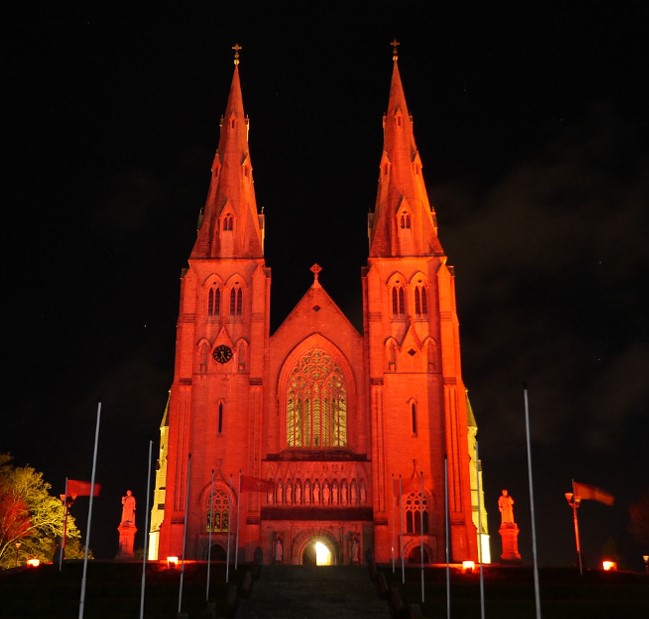
Baptisms, marriages and individual confession will not be held in the diocese of Clogher, it was announced on Saturday, becoming the first Irish diocese to institute such a ban.
Bishop Larry Duffy said he was “saddened to have to take this course of action, but in the prevailing circumstances”, he had no other option. Funeral masses were also banned.
The stricture stands in contrast to the measures ordered by the Italian State on Saturday which said that weddings and baptisms are permitted for tightly limited groups. On weddings, the note from the country’s Interior Ministry said, “Where the rite takes place just in the presence of the celebrants, the couple and their witnesses, and prescriptions regarding distance among participants are respected, it’s not to be considered among the prohibited cases.”
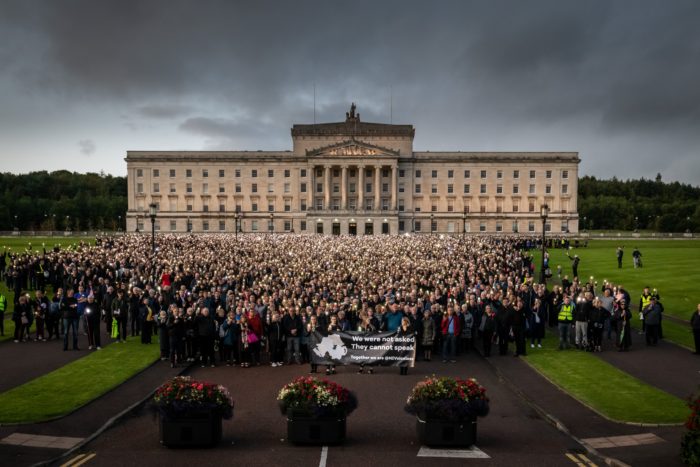
The initiation of a radical new abortion regime in Northern Ireland today has been condemned by the pro-life group Both Lives Matter.
In a statement, the group said the previous law recognised and protected both lives in every pregnancy, saving an estimated 100 thousand people from being aborted.
In its place will be unrestricted abortion in the first 12 weeks of pregnancy; abortion on undefined mental health grounds up until the twenty fourth week of pregnancy; abortion for ‘serious disability’ up to birth and only limited conscientious protections for some healthcare workers.
Marion Woods, services advocate for Both Lives Matter said the law has changed but their position hasn’t and both lives in pregnancy will always matter. “These are bad laws created through a bad process and in time, the Northern Ireland Assembly can and should restore lost protections and introduce new laws and policies fit for the 21st century. Rather than continue down this path which dehumanises us as women and our preborn children, we must strive to create something truly humane; a new society where every life matters and all life is enabled, and women aren’t told they need to choose between their life and wellbeing and their own child.”
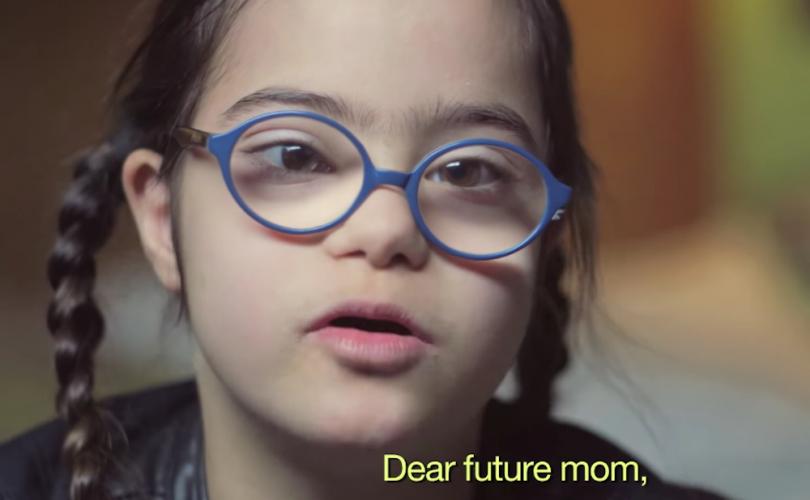
Health care cannot be rationed based upon the disabilities of patients, the US Department of Health and Human Services (HHS) has told hospitals and clinics.
“In this time of emergency, the laudable goal of providing care quickly and efficiently must be guided by the fundamental principles of fairness, equality, and compassion that animate our civil rights laws,” the HHS Office of Civil Rights (OCR) stated in a bulletin on Saturday.
“As such, persons with disabilities should not be denied medical care on the basis of stereotypes, assessments of quality of life, or judgments about a person’s relative ‘worth’ based on the presence or absence of disabilities,” the bulletin states.
On a conference call with reporters on Saturday, the HHS OCR director Roger Severino said that his office had received “several” complaints about state crisis standards of care being developed in response to the new coronavirus pandemic.
As there are now more than 100,000 confirmed cases of the new coronavirus (COVID-19) in the U.S., states are considering “triage” plans in the event that their hospitals and health care systems are overwhelmed by an expected surge in new coronavirus patients.
Such plans would detail how critical care, such as ICU beds and ventilators, would be rationed in such a crisis. However, advocates are sounding the alarm that the plans could be used to deny care to people with disabilities and the elderly, based upon their supposed likelihood of survival.
Texas included a ban on abortions except where a woman’s life or health are at risk. Pro-abortion groups have nonetheless taken a court case to overturn the order. In response, Texas Attorney General Ken Paxton said “It is unconscionable that abortion providers are fighting against the health of Texans and withholding desperately needed supplies and personal protective equipment in favor of a procedure that they refer to as a ‘choice’.”
“My office will tirelessly defend Governor Abbott’s Order to ensure that necessary supplies reach the medical professionals combating this national health crisis,” he said.
There are over 1,200 cases of coronavirus in Texas, and at least a dozen people have died.
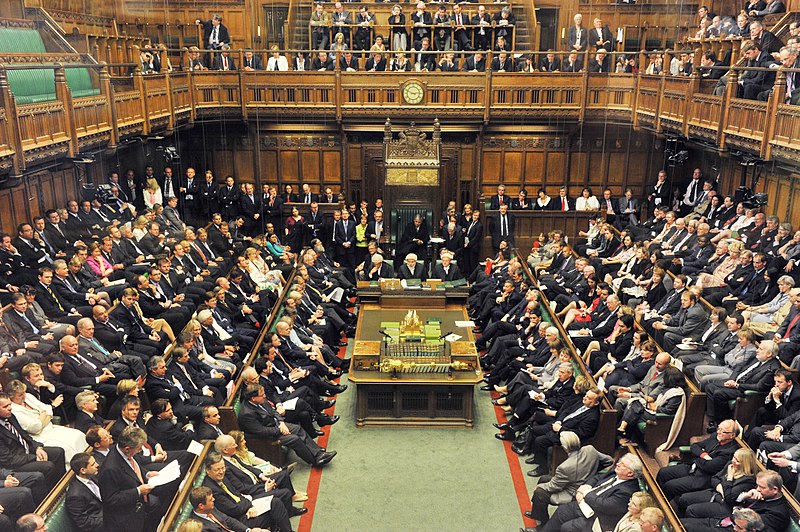
Abortion services will be available without restriction until the 12th week of pregnancy, a provision that does not exist in the rest of the UK, until 24 weeks if there is a risk to the woman’s ‘physical or mental health’, and up to birth if the unborn child is suffering a severe foetal impairment such as Down Syndrome, or if the child is thought likely to die, or if there is a risk of death or grave permanent injury to the mother. In addition, abortion will be decriminalised. In other parts of the UK, it is still a criminal offence in certain circumstances.
The Minister of State to the Northern Ireland Office (NIO), Robin Walker MP, said that of the submissions received in a consultation process 79 per cent expressed “a view registering their general opposition to any abortion provision in Northern Ireland beyond that which is currently permitted”.
The North’s first minister, Arlene Foster, said it was a “very sad day for Northern Ireland”.
“I fundamentally reject that Westminster has brought these forward today,” she said. “We have a devolved administration, it should have been a devolved administration that dealt with these issues . . . we will be looking at how we can deal with these issues going forward in the future.”
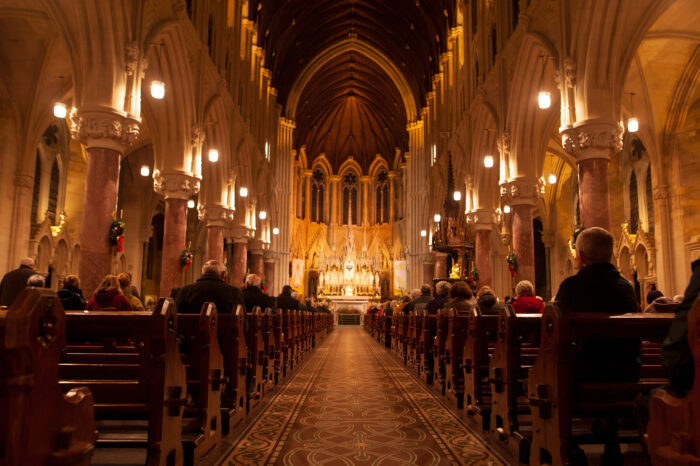
The Catholic Diocese of Down and Connor has announced there will be no funeral Masses held during the coronavirus crisis.
Diocesan spokesman Fr Eddie McGee said Down and Connor took the decision because it is a large urban diocese, covering Belfast, and that holding services in an area with a large, close-quartered population increased the risk of spreading the virus.
Fr McGee said that in Down and Connor wakes were still being held at many deceased people’s homes but generally with just close family attending. In such cases the funeral cortege goes directly to the cemetery from the home.
“Some funeral liturgy resources are provided online so families can offer prayers in the home in the absence of a priest, while in some cases the priest can offer prayers remotely through computer loudspeakers,” he explained.
He predicted that other dioceses would “at some stage” progress to “the same measures as Down and Connor”.
Fr McGee said priests are continuing to administer the last rites to the dying, but while following social distancing rules in so far as possible. This included, he said, saying prayers two meters away from the sick person and applying holy oils using cotton buds rather than a finger.

The risks to women will dramatically increase if regulations that require women to see a doctor before using the abortion pill are suspended from the current law, introduced last year.
That’s according to the Pro-Life Campaign who were responding to Minister for Health Simon Harris telling the Dáil last night that he will move to revise the existing ‘Model of Care’ under which a doctor must certify an abortion first.
Minister Harris made his remarks while rejecting amendments from Opposition TDs to the COVID-19 related Emergency Measures Bill, which were along the same lines to what the Minister himself proposed, permitting ‘home abortions’ without any physical consultation between the woman and prescribing doctor.
Responding to the Minister’s dramatic announcement, Pro Life Campaign spokesperson Eilís Mulroy said:
“It is wholly unacceptable the way Minister Harris slipped in his proposed changes to the Model of Care without any broad or prior consultation. An almost identical proposal to what he presented was roundly rejected earlier this week in Westminster parliament out of concern for the adverse effect it could have on the welfare and safety of women. It was pointed out in that wide-ranging debate that at a minimum before any abortion was signed off on, there should be at least one face to face consultation between the woman and her doctor to ensure there were no issues that could endanger the woman’s health or life.
“Without any reference to concerns like these, Minister Harris told the Dáil last night that for the duration of the COVID-19 crisis, he is satisfied that the examination of the woman prior to any abortion as set out in Section 12 of the abortion Act could be ‘carried out by other means, for example, by telemedicine or video conference.’”
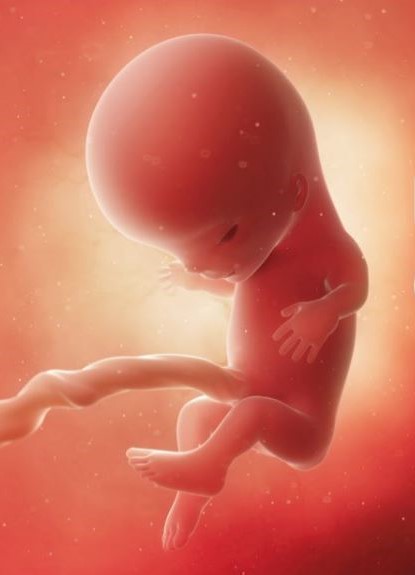
Imposing abortion amendments on the emergency measures bill is a reckless exploitation of a national crisis, according to the Pro-life campaign.
The amendments will seek to allow the online prescription of abortion pills and for these to be sent through the postal system. The amendments have been described by Eilís Mulroy, spokesperson for the Pro Life Campaign as a ‘blatant attempt to hijack a national crisis in the interests of advancing extreme extensions to the existing abortion legislation’.
“I think most people will be absolutely appalled at this calculated and dangerous set of proposals by former Deputy [Ruth] Coppinger and colleague Mick Barry.
“It is entirely obvious that anyone seeking to permit online prescription of abortion pills to women who may be well past the current 12 week limit has paid no attention to the potentially devastating harm this may cause the women and the certainly fatal harm it will cause to the unborn child.
“We strongly urge all TD’s to maintain their responsible and prudent approach to the emergency measures legislation and not to allow it to become the political football of medically reckless and ideologically aggressive amendments,” concluded Ms Mulroy.

A Nigerian girl who was kidnapped in January has made a daring escape from her Islamist captors. Her story, however, is a fortunate one compared to the numerous others who are kidnapped, raped and forcibly converted to Islam.
Sadiya Amos, aged 17, went missing from north central Kaduna in northern Nigeria in January.
Sadiya says she was abducted, kept in a locked room for over a month and forced to convert to Islam; some men guarded her room so she couldn’t escape. But one day, they all fell asleep leaving the door open; she quickly ran out and back to her parents.
The Hausa Christian Foundation (HACFO) has rescued a number of girls from similar circumstances over the past three years from across northern Nigeria. HACFO’s leader Joshua Danlami said while parents fight to free their daughters, the abductors sexually abuse the girls, spike their food and drink, control what they wear and where they sleep, and continually evoke evil spirits upon them to the point that these girls lose their minds and can’t think of going back to their homes.
“Usually, the moment a Christian girl is abducted, her abductors ensure that they marry her off within one or two weeks. Even before marriage, she will be sexually abused to try to make her parents give up on her when she becomes pregnant.
“There are two major objectives behind the incessant kidnapping of Christian girls and their forceful conversion to Islam: one -to inflict pain on the girl, her parents and the Christian community; and, two, to make the girl pregnant so that her child will then be born into Islam, contributing to claims that it’s the fastest growing religion in the world.”