
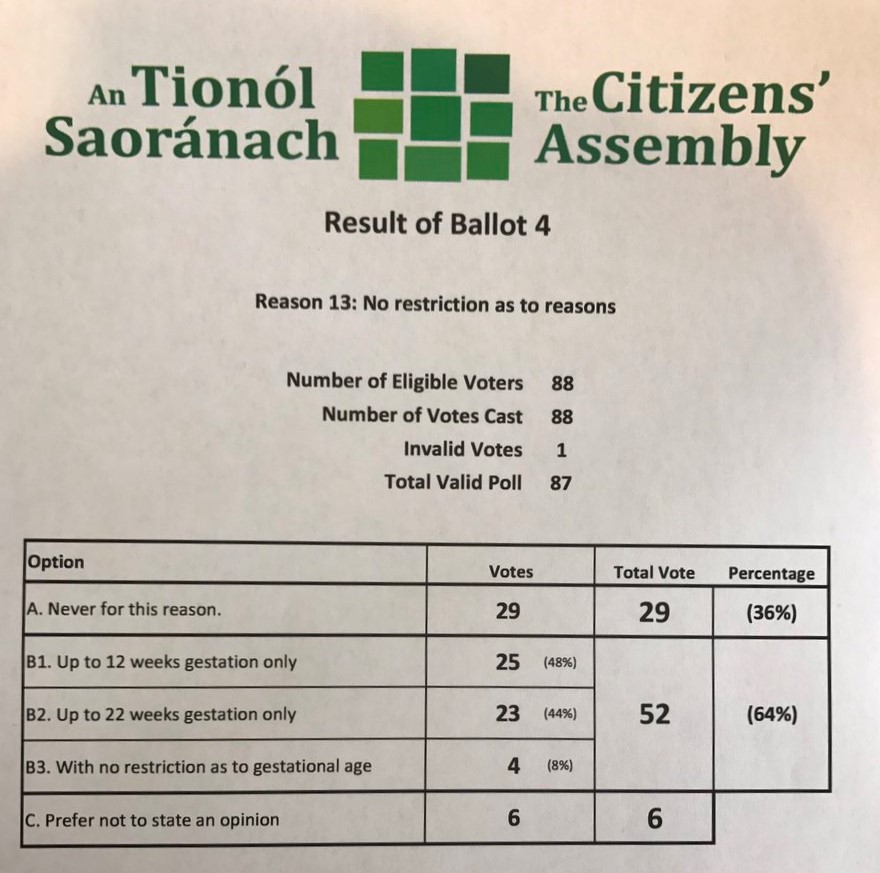
The Chairwoman of the Citizens’ Assembly will speak at the opening public session of the joint Oireachtas Committee on abortion today and will urge the assembled TDs and Senators to view with “respect and due consideration” the recommendations of the Assembly. She will also defend the process that led to the Assembly’s surprising, radically pro-abortion recommendations. “I am aware that the results caused surprise across some sections of society but I truly believe they were reached not by chance or accident but following a thorough and rational thought process each member undertook as they stepped up to the ballot box,” she will say.
The majority of the Assembly voted to remove article 40.3.3° from the Constitution. Sixty-four per cent of members recommended that the termination of pregnancy without restriction should be lawful. Furthermore, they also recommended a provision be inserted into the Constitution that explicitly authorises the Oireachtas to legislate for abortion, any rights of the unborn, and any rights of the pregnant woman.

While the researchers could only surmise what was driving these changes, they do not think the culprit is an ‘upsurge in virtue’; rather, it might simply be that teens are spending more time online instead. “It’s an important factor in how young people organise their time today, so I wouldn’t be surprised if future research found it to be a part of what’s driving change,” Dr Park said.

Speaking at a Joint Managerial Body (JMB) Education Conference in Dublin, the Church’s Dean of Waterford Maria Jansson said, while Irish society has become more multi-cultural due to the influx of immigrants, “I contend it most definitely is not post-Christian, nor is it secular. That over 90 per cent of the population claim religious affiliation gives legitimacy to the existence of faith schools, albeit working and responding to a changed and pluralist culture”.
She also defended faith-based education itself as offering students a spiritual perspective to understand the world and an ethical system that teaches the intrinsic value of each individual while establishing behavioural boundaries and attitudes that enable each student to grow in maturity and responsibility.

The European Parliament (EP) has been blasted by MEPs and activists for adopting a report that contains a radical pro-abortion agenda. The parliamentary report charges that “the denial of sexual and reproductive health and rights services, including safe and legal abortion, is a form of violence against women and girls”. It also says all member-states must “guarantee comprehensive sexuality education, ready access for women to family planning, and the full range of reproductive and sexual health services, including modern contraceptive methods and safe and legal abortion” and if they fail to do so, it is implied they could be complicit in “forced pregnancy”, which the report asserts is “defined as a crime against humanity in Article 7 of the Rome Statute”.
Independent MEP Steven Woolfe condemned this section of the report, saying “This clause could effectively make it a criminal offence for anyone who believes in the reduction of abortion.” Marie Smith, the director of the Parliamentary Network for Critical Issues, issues a scathing assessment, saying “This dreadful depiction of laws that seek to protect unborn children and their mothers from the violent act of abortion as an actual form of violence is astonishing, especially for a legislative body that purports to not have any “competence” on abortion laws and supposedly allows Member States to decide abortion laws for themselves.
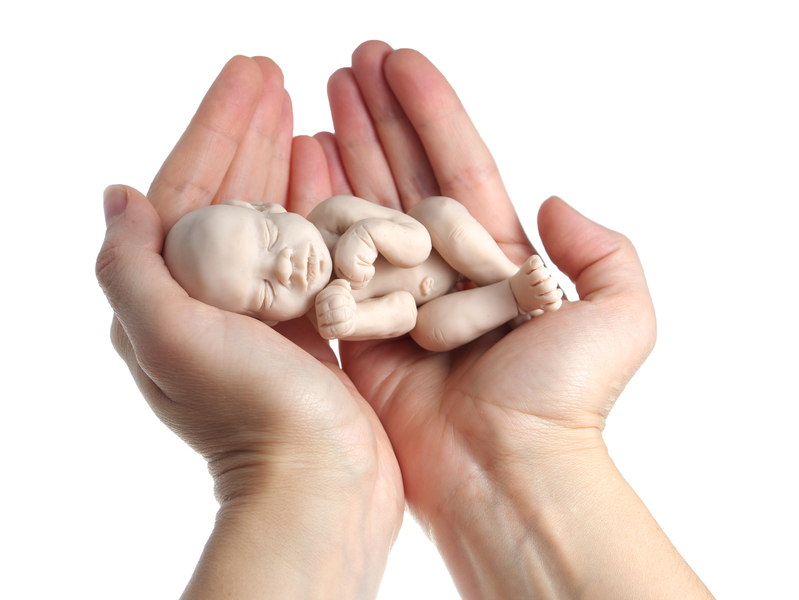
A former Master of the Coombe hospital has called for the repeal of the pro-life amendment and its replacement with a law that would permit abortion-on-demand in the first 12 weeks of pregnancy when about 85pc of abortions take place.
Writing in the Irish Times, Prof Chris Fitzpatrick said he would vote for the repeal of the 8th Amendment. “After that I would support the liberalisation of legislation to include (a) a serious threat to a woman’s health (b) fatal foetal abnormalities (c) pregnancies arising from rape and incest and (d) crisis pregnancies in the first trimester.”
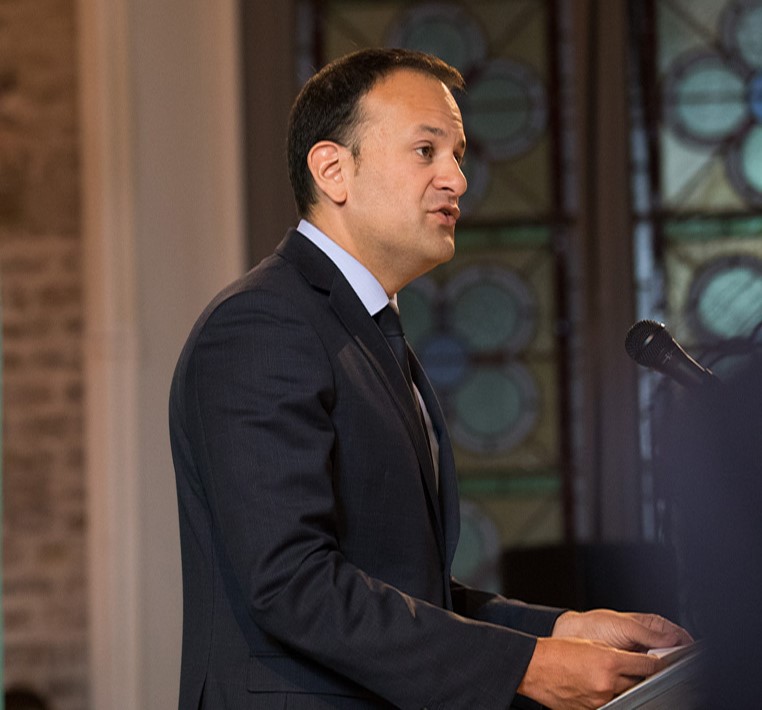
Taoiseach Leo Varadkar has said he does not believe the country would support the radical pro-abortion recommendations of the Citizens’ Assembly on the issue of abortion. Mr Varadkar was speaking at a Fine Gael think-in on Friday when he said: “I honestly don’t know if the public would go as far as what the Citizens’ Assembly have recommended. Public opinion polls have indicated that they wouldn’t, but that may change during the course of the debate, and having observed the Citizens’ Assembly and how that debate evolved, we have become aware of the availability of abortion pills and how they work. It is actually quite possible that people’s views may change as we have the debate.”
An Oireachtas committee is currently meeting to make concrete legislative proposals in the light of the Assembly’s recommendations. Fine Gael TDs will have a free vote on the committee and in the Dáil and Seanad on the proposals that arise from those deliberations. Mr Varadkar said members of Fine Gael would be allowed campaign on either side of the argument if a referendum arose.
Mr Varadkar also confirmed he is to bring a memo to Cabinet in the coming weeks to outline the timescale for a number of referendums.
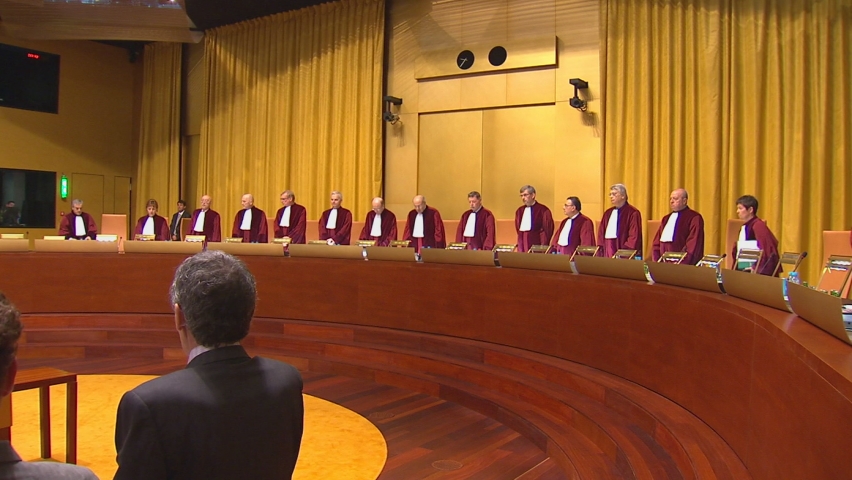
The European Court of Human Rights (ECHR) has confirmed the right of Churches to govern their internal affairs without interference by the State. In the case Nagy v. Hungary the Grand Chamber of the Court ruled that Church autonomy is a basic right deserving protection and upheld the right of churches to “ecclesiastical courts and the discipline of ministers.” Mr Karol Nagy, a Calvinist pastor, was disciplined by his Church after claiming that State subsidies had been paid unlawfully to a Calvinist boarding school. In 2009 Mr. Nagy filed an application with the ECHR complaining that the State courts refused to weigh in on the matter on his behalf.
“This Grand Chamber judgment has confirmed the principle of church autonomy by dismissing a claim by a former pastor that he was entitled to use the state courts against a church when he was unhappy with the decisions of the internal ecclesiastical courts. This decision is welcome as it reinforces the rights of religious believers in all 47 member states of the Council of Europe to manage their own affairs without unwarranted external interference.” Said Paul Coleman of Alliance Defending Freedom.

Divorce is back to pre-recession levels after several years when some couples delayed divorcing because of the economic crash and a decline in the value of the assets that could be divided between them.
Figures for divorce in the Circuit Court, where the vast majority of divorce proceedings are issued, show 4,214 cases were initiated in 2008. This slumped to a low point of 3,330 in 2011. But the figures have been back up around 2008 levels over the past two years, with 4,290 new sets of proceedings in 2015 and 4,162 last year.
According to the Law Society, many couples whose marriages failed had opted not to formalise their split for economic reasons, such as negative equity, mortgage problems, unemployment and emigration. “People simply couldn’t afford to get divorced,” said Keith Walsh, chairman of the society’s family law committee.
Furthermore, Mr Walsh said overwork, and not adultery, is the cause of most marriage splits in Ireland. “People are not physically present at home or they don’t engage,” Mr Walsh said. “It is not adultery. Adultery tends to happen when the marriage is over, when people have lost interest.”
Despite the rebound in divorce numbers, the rate in Ireland still remains the lowest in the EU. However, in Ireland many people separate without divorcing. The number of Irish people who have suffered a broken marriage has gone from 40,000 in 1986 to almost 300,000 last year.
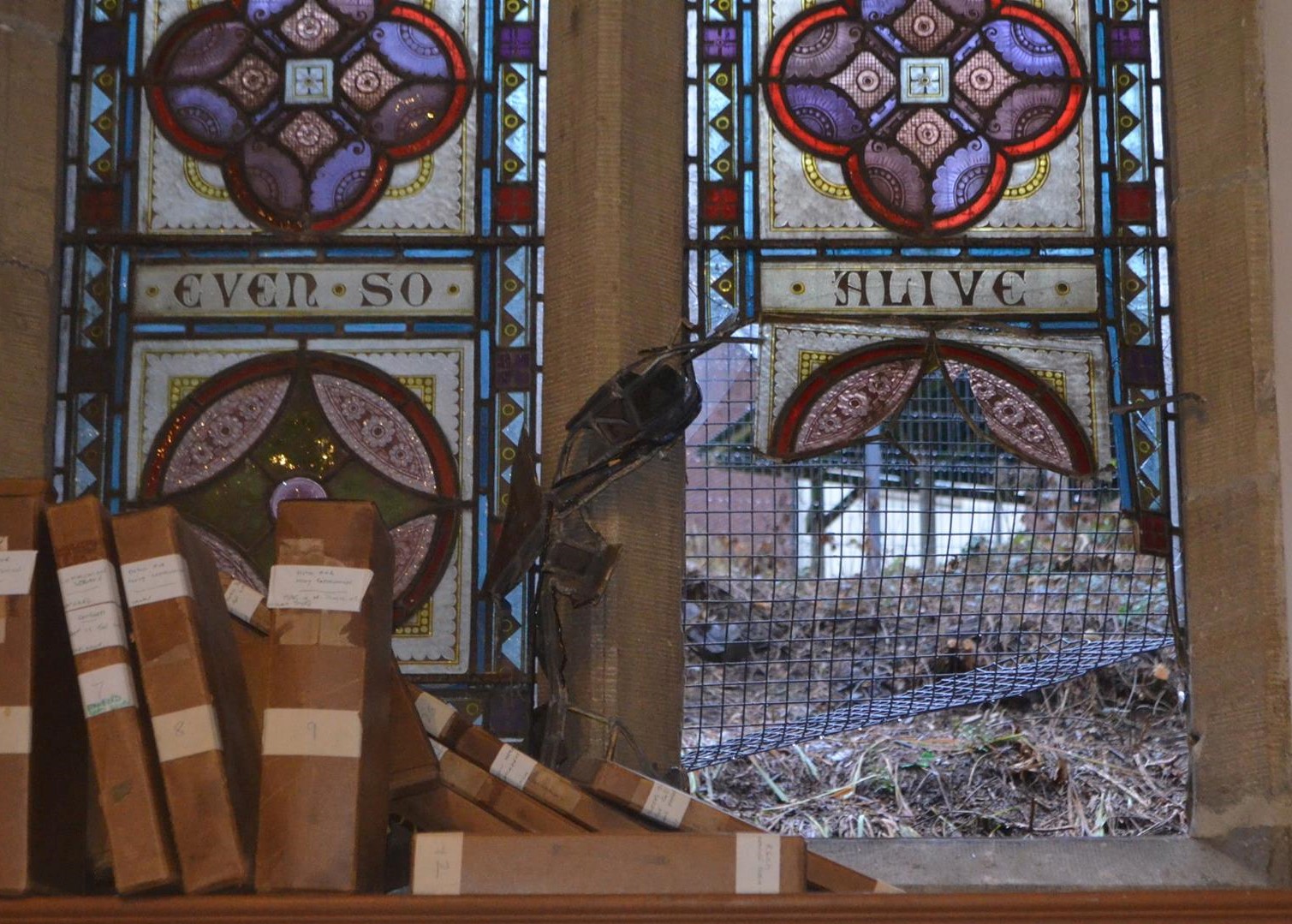
Vandals defecated and urinated in a Church of Ireland church in Derry after breaking in and causing extensive damage to the church’s organ. A decanter used in Holy Communion was stolen and it is believed faeces was smeared on the pages of a psalm book. The Church of Ireland Bishop of Derry and Raphoe, Rev Ken Good, described the incident as “sacrilege”. Police have yet to establish a motive for the attack.
It is believed the vandals broke in through one of the church’s stained-glass windows. The worst of the damage was inflicted on the church’s organ, said Robert Miller, the parish’s rector. “They climbed in behind the organ and used broken glass – probably from the bottles of altar wine which they had smashed – to cut parts of the mechanism which makes the organ work.”
Various public representatives weighed in with their own condemnations. Elisha McCallion, the Sinn Féin MP for Foyle, said the break-in and vandalism were “disgraceful”. DUP MLA Gary Middleton described it as a “disgusting attack on a place of worship”. SDLP councillor John Boyle said the incident was “repugnant and sickening”.
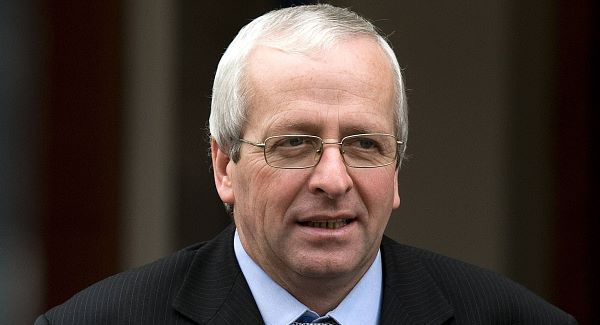
The Oireachtas committee reviewing the recommendations of the Citizens’ Assembly on abortion met for the first time in private session yesterday and considered its proposed witness list. Independent TD Mattie McGrath and Senator Rónán Mullen have proposed six witnesses including barrister William Binchy, solicitor Caroline Simons and Liz McDermott, a member of the support group One Day More. They are also proposing to hear from families, despite the committee agreeing it would ask only experts to appear before them. In a letter to committee members, Mr McGrath and Mr Mullen say Martin and Sinead McBreen can offer their perspective on “the real experience of families”.
“Martin and Sinead’s daughter Grace has Down syndrome. When she was 16 weeks [into her] pregnancy, Sinead was told that Grace (now three-years-old) would not survive until birth, and abortion was recommended.” If accepted, the committee would have to hear from a family on the pro-choice side of the debate and may delay its final report. The Independent members of the committee also propose to invite Dr Marty McCaffrey, professor of paediatrics in neonatal-perinatal medicine at University of North Carolina, and Prof Monique V Chireau from Duke University Medical Center in North Carolina. Advocacy groups on the anti-abortion or pro-choice side will not be invited to appear before the committee. Instead, the public hearings will focus on the evidence of experts and their first witness on September 20th will be chairwoman of the Citizens’ Assembly Ms Justice Mary Laffoy.