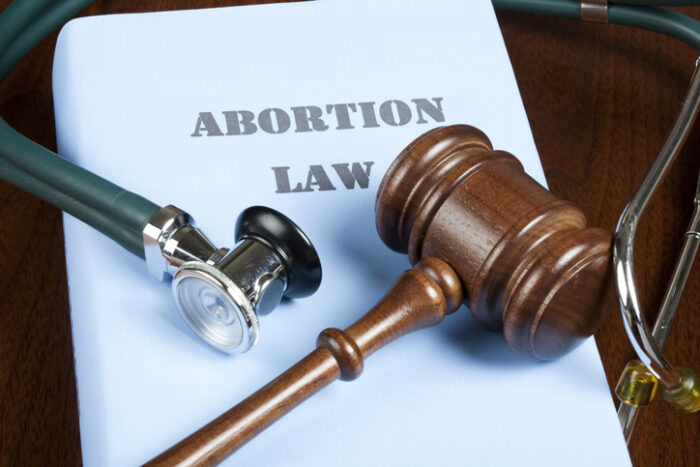
In a draft report, cited by The Irish Times, the Oireachtas Committee on Health is recommending that the Government move “without delay” to introduce all the legislative changes recommended by the Abortion Review.
In her review, barrister, Marie O’Shea, recommended the decriminalisation of abortion, the removal of the mandatory three-day waiting period, and the expansion of eugenic abortion when the pre-born child is suffering a serious life-limiting condition.
In response to the Committee’s report, the Pro-Life Campaign expressed dismay: “Considering the deeply flawed nature of the three-year review report, the government must be very cautious in how it responds to this”.
“A cavalier rush to overhaul Ireland’s existing abortion laws would be a huge mistake. The government should shelve this report and consider launching a new and thorough process to seriously examine the impact of Ireland’s abortion laws, like addressing how we reduce the spiralling abortion rate which we’ve seen since 2019 and implementing safeguards to prevent future instances like the horrific case of Baby Christopher, a healthy baby who was aborted following a misdiagnosis of a fatal foetal abnormality in Holles Street hospital,” said a spokesperson.

The Government plans to hold a referendum to delete the protection afforded mothers in the home from being forced out to work, with the date of March 8th – International Women’s Day – likely to be the polling day, reports the Irish Times.
The proposal will include a recognition of family carers and an aspiration that the State should “strive to support the provision of care” in the home, but will not at this point alter the recognition given to the family “based on marriage”.
The proposal was discussed at a Cabinet Committee meeting yesterday and is likely to be brought to next week’s Government meeting for approval.
It is understood that no change is likely to be proposed to the articles which deal with the rights of the family.
However, the new wording will include recognition by the State that the “provision of care by family members to each other by reason of the bonds that exist among them” gives a support to society “without which the common good cannot be achieved”.
The State, it is expected to say, “shall strive to support such provision”.
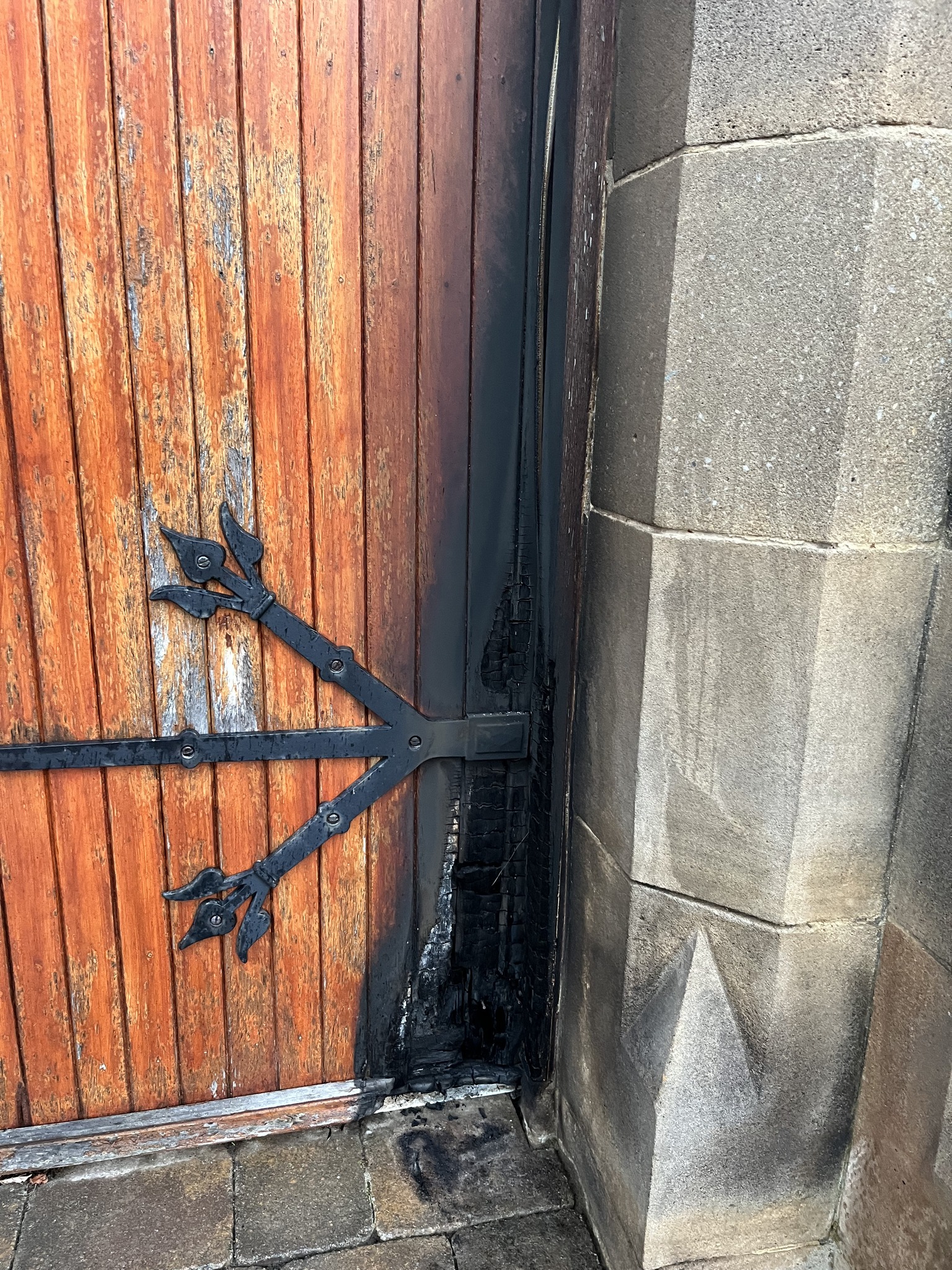
A priest has said it is a mystery why his Co Antrim church was targeted in an arson attack.
Police are appealing for information and witnesses following the report of criminal damage at the side door of Our Lady and St Patrick’s Catholic Church in the Castle Street area of Ballymoney.
Parish priest Fr Damian McCaughan discovered the fire on Sunday night and put it out.
He said he was alerted when the fire alarm went off shortly before 10pm.
Fr McCaughan said a wooden log covered in a propellant had been laid against the door.
“I gave the log a kick and then I got a bucket of water and threw it over the door to stop it burning,” he said.
Europe has witnessed a 44% jump in anti-Christian hate crimes across more than two dozen countries over the past year, according to a monitoring group.
The Vienna-based Observatory on Intolerance and Discrimination against Christians in Europe (OIDAC Europe) on Thursday released its annual report detailing the spike in anti-Christian incidents, which it said is “connected to a rise in extremist motivation and a higher acceptance of the targeting of churches.”
The group’s surveys of “intolerance and discrimination” against Christians reported “physical attacks and threats against individual Christians or Christian communities, desecration and vandalism of Christian sites” and “violations of freedom of religion, expression, association, and conscience,” among other incidents.

The Catholic Church in Scotland has criticised the Scottish government’s new guidance on sex education, arguing that the latest proposals threaten the right of Catholic schools to protect their religious ethos.
Following the release of a draft government document called “Guidance on Relationships, Sexual Health, and Parenthood (RSHP) Education,” Scotland’s bishops issued a forthright statement in response, highlighting that previous religious protections had been scrubbed out.
“The Bishops’ Conference of Scotland is both disappointed and confused at the decision by the Scottish government to delete all reference to Catholic schools in its ‘Guidance on the Delivery of Relationships, Sexual Health, and Parenthood (RSHP) Education in Scottish Schools’ document,” the bishops said.
“We strongly request the reinsertion of the paragraphs relating to denominational education from the previous iteration of the guidance, which would reflect both the legal protection for schools with a religious character and the previously supportive position of the Scottish government for Catholic schools.”
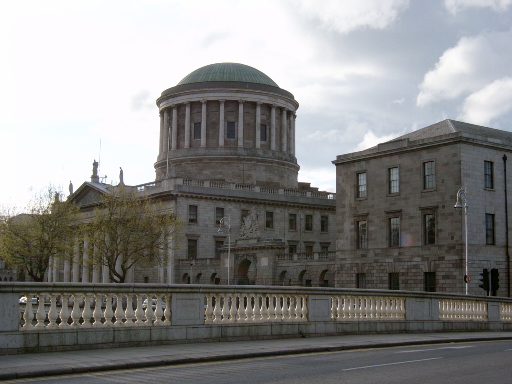
The constitutionality of the abortion exclusion zone bill which passed at final stage in the Dáil on Wednesday evening will very likely be challenged in court after it becomes law, according to the pro-Life Campaign. Even silent pro-life vigils in the vicinity of an abortion facility will be banned.
The so-called “Safe Access Zones” Bill would establish a buffer zone within 100 metres of abortion facilities or hospitals that perform abortions.
The bill passed the Dáil with 117 votes in favour to just ten TDs against.
The main political parties imposed the party whip on the issue.
It now proceeds to the Seanad where a final vote will happen before it passes into law.
In a statement, the Pro Life Campaign said it continues to vigorously oppose the proposal, “given the way it specifically targets a particular group of citizens (namely pro-lifers) and criminalises them for exercising the right to peacefully protest and assemble”.
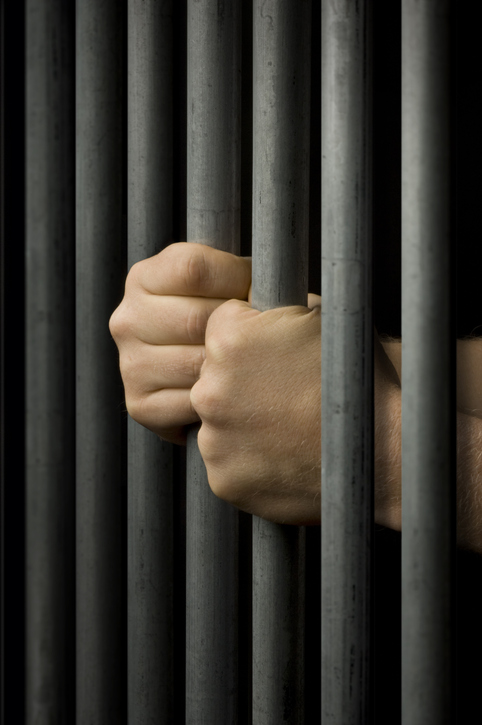
Bishop Alan McGuckian has called for the release of Hong Kong pro-democracy activist, former media owner and Catholic Jimmy Lai, who has been imprisoned for nearly three years.
The bishop of Raphoe signed a petition, along with nine other bishops from eight countries.
Mr Lai was arrested in August 2020 under a controversial law imposed by Beijing to quash what the Chinese Communist Party considered subversion and sedition in region of Hong Kong.
In September, he marked his 1,000th day in prison awaiting trial on further charges.
The prelates wrote that “Mr Lai’s persecution for supporting pro-democracy causes through his newspaper and in other forums has gone on long enough”.
“There is no place for such cruelty and oppression in a territory that claims to uphold the rule of law and respect the right to freedom of expression,” they said.
The Hong Kong government rejected the petition, calling it “misleading and slanderous”, and said it “interferes” with juridical proceedings in Hong Kong.
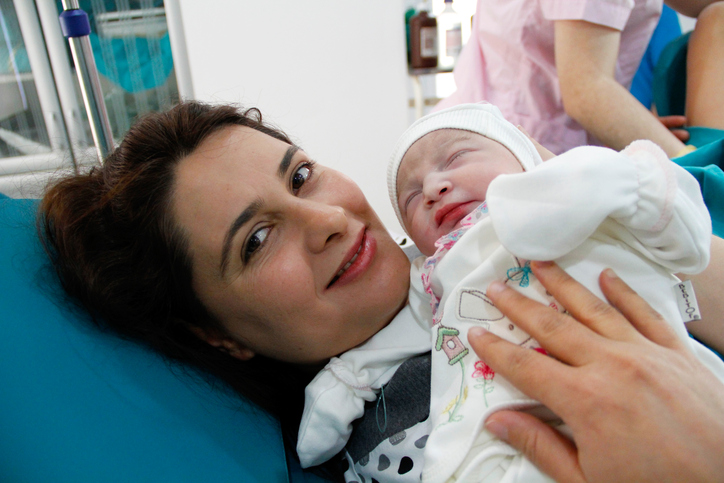
Annual baptisms in the Church of England have plummeted from 615,000 in 1920 to 80,000 last year, according to newly published figures.
The scale of the decline is illustrated further by the percentage of babies that are christened. In 1927, it baptised 72 per cent of all newborn children whereas in 2019 the Church baptised just 8 per cent.
The numbers seeking baptism were interrupted by the Covid-19 pandemic, dropping to a record low of 17k in 2020, before recovering to 80k in 2022.
The latter figure includes a higher percentage of older babies, indicating candidates who were ‘delayed’ by the pandemic restrictions.
However, despite the “significant bounce-back in baptism numbers” last year, the total figures for 2022 remained below pre-pandemic levels and the church said there are still “in the region of 70,000 people not yet baptised who would have been baptised had there not been a pandemic”.
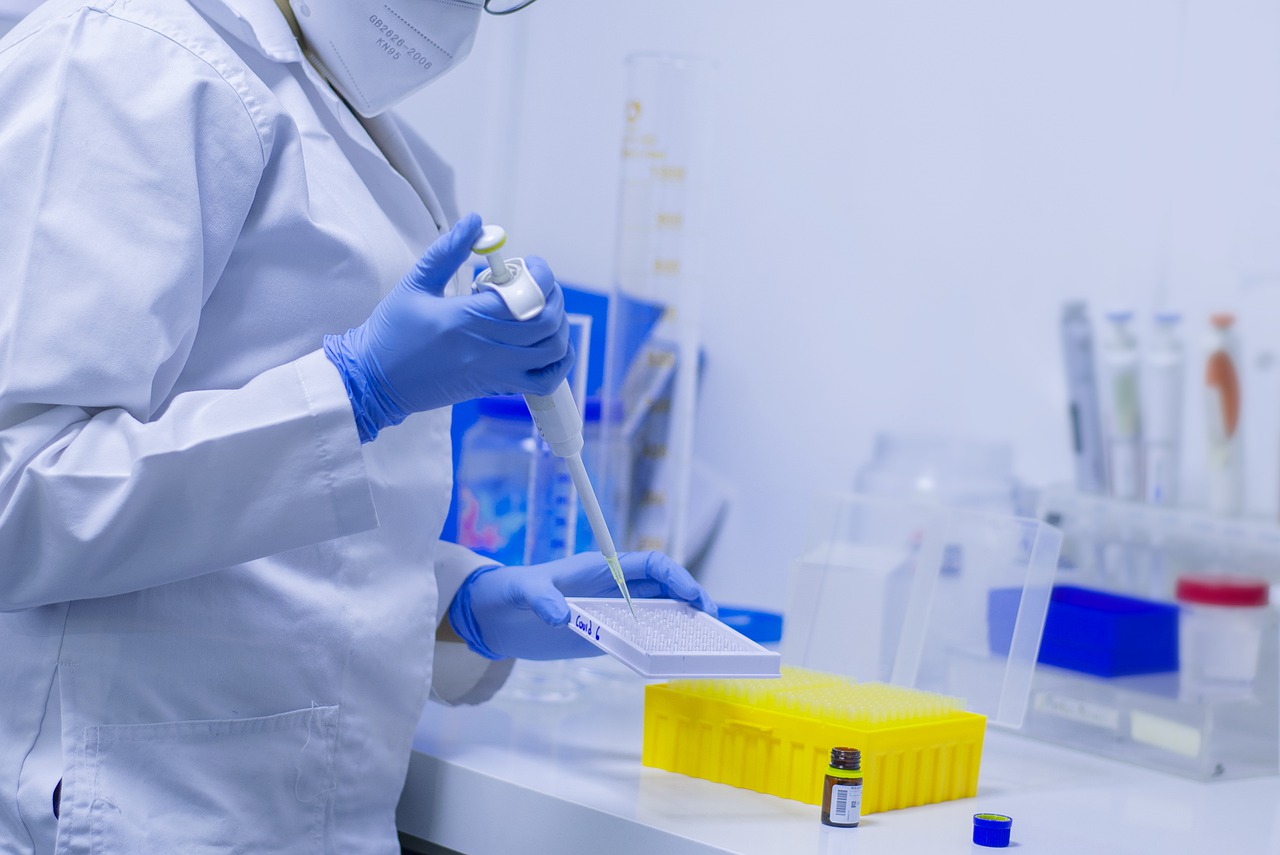
Nonetheless, despite the overwhelming opposition, the taxpayer-funded Human Fertilisation and Embryology Authority (HFEA) has ignored the results of its own consultation and proceeded to lobby the Government for the change.
As part of the consultation, the HFEA (page 26) outlined its desire to “future proof” the Human, Fertilisation and Embryology Act to allow it be more easily modified to permit changes, such as increasing or removing the 14-day limit, via secondary legislation rather than changes to primary legislation.
Changes via secondary legislation would be subject to reduced scrutiny would be reduced, in contrast to primary legislation, where ethical considerations can be rigorously discussed in Parliament and MPs held accountable.
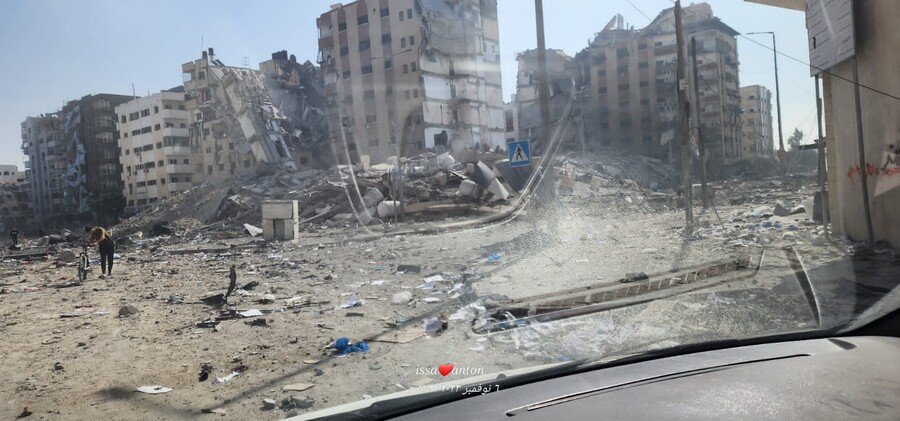
The consequences for the small Christian community in Gaza of the current war in the Holy Land, have been terrible, according to the Catholic charity Aid to the Church in Need (ACN).
A project partner which is responsible for the Gaza Strip said at least 53 Christian families’ houses have been completely destroyed, and most of the buildings belonging to Christian institutions have been damaged by airstrikes.
Particularly disheartening, it says, was the loss of the Catholic school of the Holy Rosary Sisters. This institution symbolised the Christian presence in Gaza and the Latin Catholic Church’s work in education.
The school is located in the Tal Al Hawa neighbourhood, one of the three areas of Gaza where most of the Christian population lives and which has been badly affected by airstrikes over the past two weeks.