By Jim Stack MSc PhD The new report on abortions in Ireland is very short on information, but does allow us to compare the abortion rate of different counties. The figure for the total number of terminations in Ireland last year was, of course, 6666. The measure of abortion rates used in this article is...
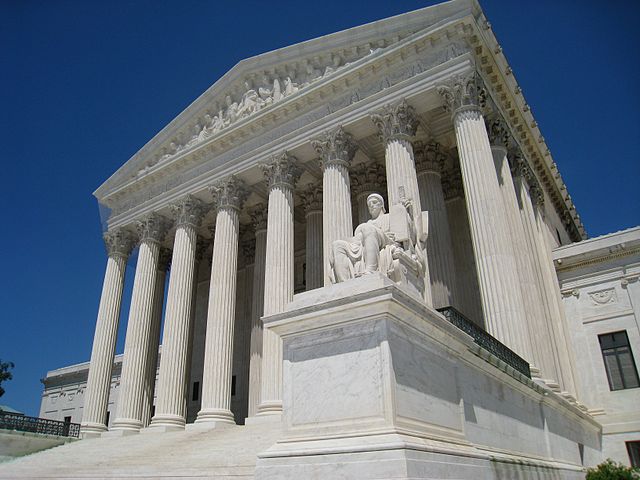
Does a religious school have the right to employ only staff who will uphold the school’s ethos? Should a religious employer be forced to pay for contraception and the ‘morning-after pill’? In two separate rulings last week considering these matters, the US Supreme Court has ruled in favour of religious freedom. The first case concerned...
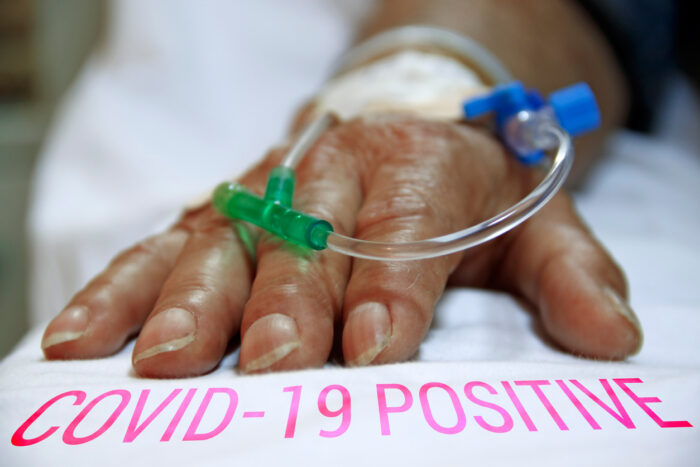
Something went very wrong with Ireland’s Covid-19 policy for nursing homes. Five months from the beginning of the Coronavirus crisis, the failure of the health authorities to properly protect the care homes has become evident. It is now clearer than ever that the needs of nursing homes and their residents were placed behind those of...
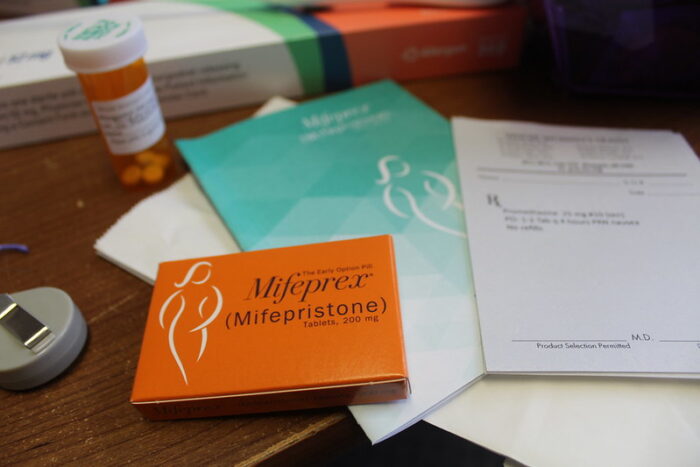
By Jim Stack MSc PhD The first annual report on the operation of the 2018 abortion legislation was published on 30th June 2020, covering the twelve months January – December 2019. A total of 6,666 abortions are reported. Under the legislation, a standard reporting form for each abortion is supposed to be completed and forwarded...

The report on abortion presented this week by the Department of Health may have informed us that 6,666 terminations were carried out in Ireland last year (plus 375 in Britain), but aside from that, it is abysmally and purposely poor in terms of information given. It does not include typical data to allow us to...

We now know how many women had an abortion in Ireland last year; 6666. If you add in the 375 women who went to England for an abortion in 2019, despite our new law, it adds up to 7,041, a horrible figure. The official figures were published today. If we allow for (a high estimate) that...

Marriage continues to change and decline in Ireland as the latest figures from the Central Statistics Office show. Fewer marriages are taking place, fewer are taking place in churches, more are taking place between people who were married before and are now divorced, and couples are older when they marry. Same-sex marriage is now permitted....

By David Quinn Lately I’ve been reading a book called ‘Science and the Good’ which is about the failure to discover a scientific basis for morality. To cut a long story short, dispense with religion and the idea of God, then it is very hard, if not impossible, to declare that anything at all...

The newly agreed Programme for Government includes a commitment to impose ‘exclusion zones’ which would stop even silent pro-life vigils outside hospitals and GP surgeries where abortions take place or are facilitated. This is an extreme measure and, as a national law, would be unique in Europe.The Programme includes other measures of concern (see below). For example, it promises yet another...
Abortion has been legal in Ireland since January of last year so we would expect a dramatic decline in the number of women travelling from here to Britain in order to obtain an abortion. This has indeed happened. Official figures, just released, show that 375 Irish residents had an abortion in England and Wales in...