
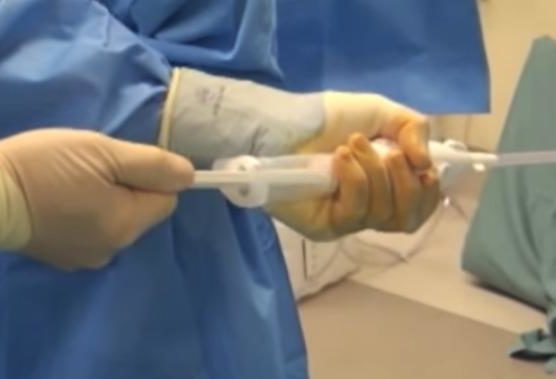
The number of maternity units providing abortions will rise from ten to 14 out of a total of 19 by the end of the year, Stephen Donnelly, the Minister for Health, has said.
Ahead of the findings of a review of the Health (Regulation of Termination of Pregnancy) Act 2018, a spokesman for Donnelly said that after engagement with Department of Health officials, one further hospital had joined the ten that already perform terminations. Three more had indicated they would do so by the end of the year.
Donnelly has asked the remaining five hospitals — Cavan, Wexford, South Tipperary, Letterkenny and Portlaoise — to outline their plans to offer abortions.
Launching the review of the law in December, Donnelly said he did not believe the government had achieved the geographical coverage and ‘ease of access’ to abortion that was required. More than 13,000 abortions have taken place in Ireland in 2019 and 2020 alone according to official figures.
Private fertility clinics are charging up to €450 for blood tests that some couples can get from their GP for a fraction of the cost.
It comes as two leading Irish fertility doctors warned IVF clinics have become “commercialised,” and are charging couples for expensive “add-on” treatments which claim to improve a couple’s chances of getting pregnant but are not supported by evidence.
A fertility consultant told the Irish Independent couples are spending hundreds of euro on treatments that he doesn’t believe will work. Meanwhile a former staff member said she had to leave a separate clinic after being made to feel she was “selling” IVF.

A proposal to make surrogacy a universal crime was deposited at the Italian Courts (Cassazione) on Monday.
In collaboration with the party LEGA and its secretary, Matteo Salvini, CitizenGO Italy was one of the first signatories of the proposal.
In a social media posting, a spokesperson said they will now begin a “citizen awareness campaign to get to the parliamentary debate”.
“After months of work, this event is the beginning of a path that will help us to eradicate the aberrant practice of surrogacy. After Spain, we want Italy too to enforce the right of women not to be commodified and the right of every child not to be sold as a common object”, the spokesperson added.
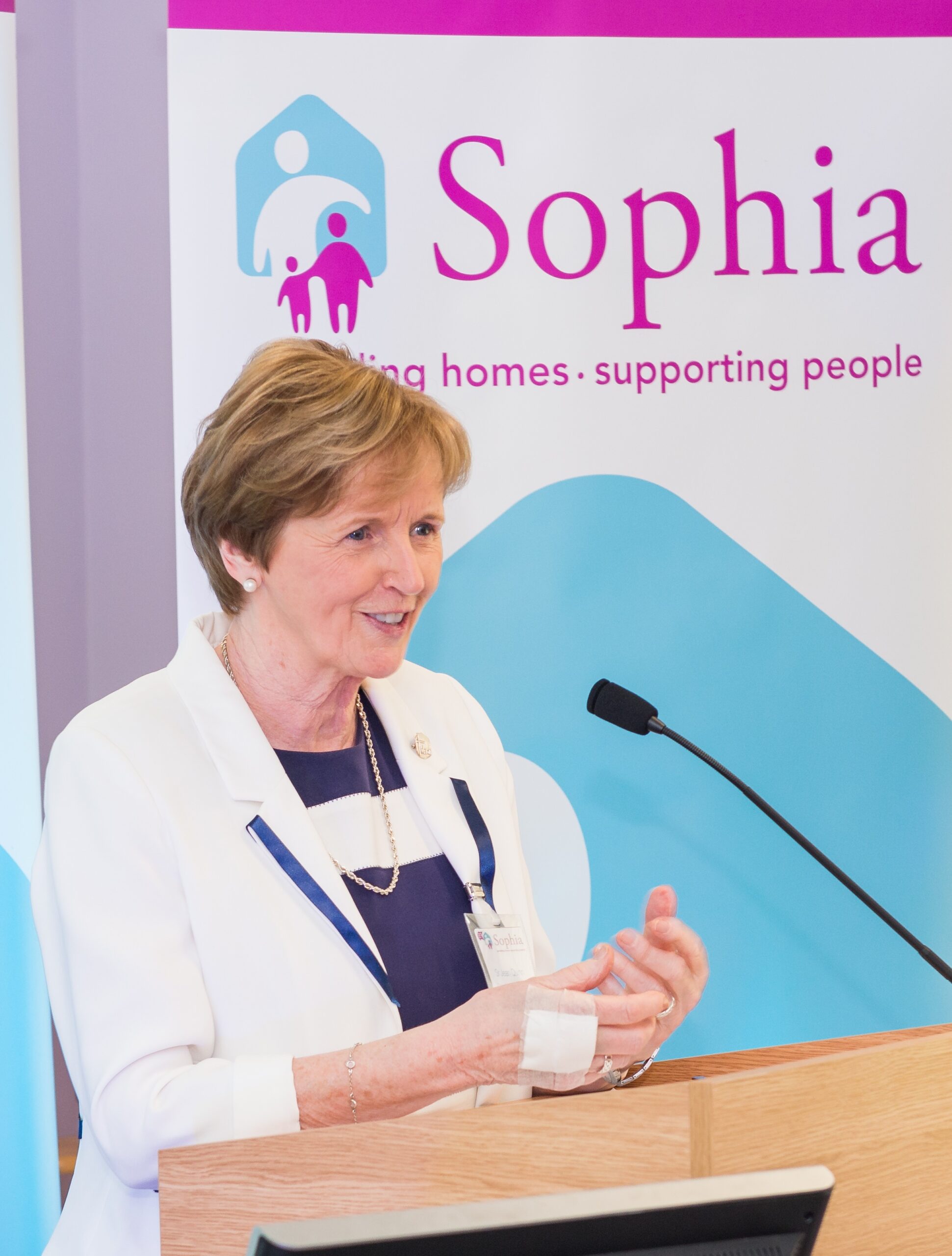
A national provider of housing and homeless services has paid tribute to the role religious congregations have played in helping to house the homeless and refugees from Ukraine.
Sophia founder Sr Jean Quinn said it had supported hundreds of people, including families and “this could not have been achieved without the vision and courage of the religious congregations”.
The religious congregations had also “been to forefront in the response to the Ukrainian refugee crisis by making the property they have available to house families fleeing the terror of war”, she said.
Since its foundation in 1997, ‘Sophia’ has acted as a conduit for religious congregations in addressing homelessness by making their lands and property available for homes.
Sophia’s 24-hours-a-day service in Dublin was recognised in 2019 as an example of European Best Practice in the European-funded project, Dignity and Well-Being. In Dublin it also has a project on Seán McDermott St.
Across Ireland Sophia owns or manages 365 homes and supports 1,034 people in their own homes. It focuses exclusively on helping people to leave homelessness by having a home of their own. It does not have hostels, shelters or family hubs etc, as it believes the solution to homelessness is not about providing a bed for the night but that people should have a home.
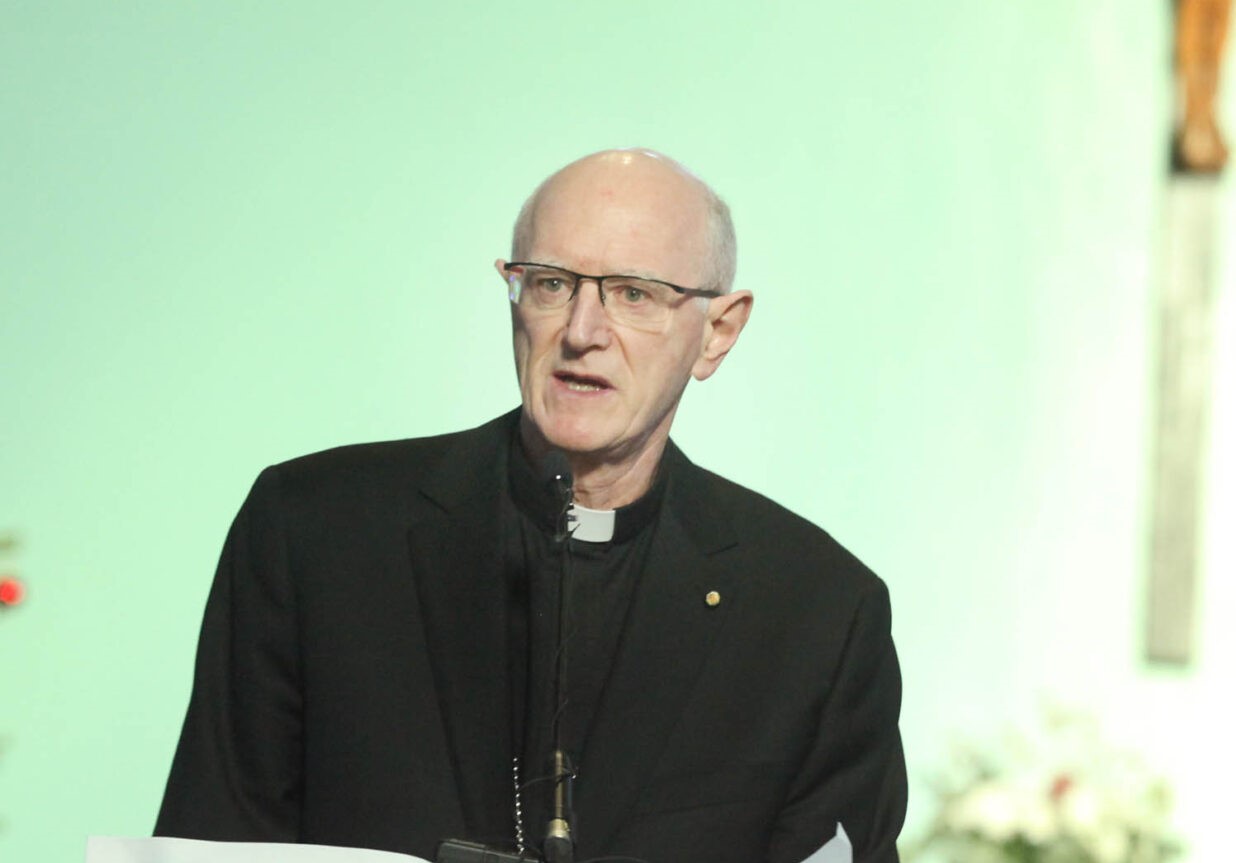
Dublin’s Catholic Archdiocese has offered its former seminary at Clonliffe College in Drumcondra for the accommodation of Ukrainian refugees.
It is estimated the facility could hold up to 620 people. A spokesman told The Irish Times that preparatory work would be necessary which could take some weeks.
Separately, parishes across the country have raised more than €3.25 million in collections in aid of Ukraine. Most of it was raised in a single weekend in late March.
Speaking on Morning Ireland on Friday, Archbishop Eamon Martin of Armagh said former retreat centres and other religious buildings would also be made available to provide accommodation, with “30 to 40” religious congregations offering rooms.
In some cases the buildings “may need a bit of work” but that people had been offering their services. It also might not be appropriate for shared accommodation to be offered in parochial houses, but in some circumstances priests had moved out to share with other clergy to make accommodation available.

Significant restrictions on drinking during Holy Week in Northern Ireland have been lifted.
Changes to the licensing laws meant pubs and bars could open as normal this Easter after decades of limitations.
Previously on Good Friday, alcohol was only able to be served between 5pm and 11pm in Northern Ireland.
Licensed premises also had to stop serving at midnight on Easter Thursday and Holy Saturday.
The ban on Good Friday pub openings in the Republic lifted in 2018.
Those curbs were lifted by the Licensing and Registration of Clubs Act passed in the Stormont Assembly last year.
While some churches have expressed concern at the move, it has been broadly welcomed by pubs and clubs.
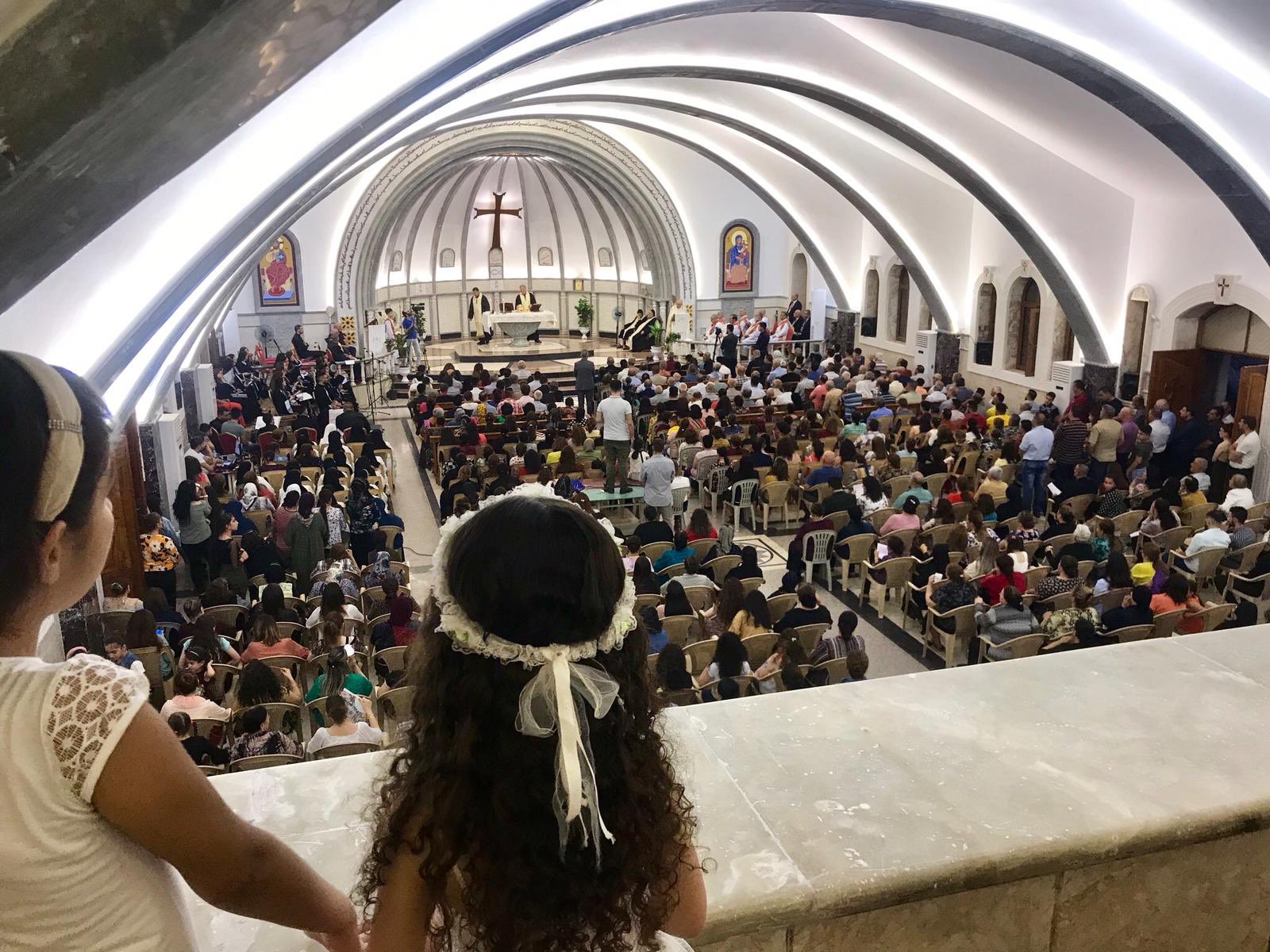
After almost a decade of death and destruction, and one year after the historic visit of Pope Francis to Iraq, more than 25,000 Assyrian Christians in Qaraqosh, on the Nineveh Plains of Northern Iraq, gathered to celebrate Holy Week. Nineveh is mentioned in the Old Testament and has one of the oldest Christian communities in the world.
The majority-Christian Assyrian town is less than 20 miles southeast of Mosul, the city that in 2014 was the de facto capital of the Islamic State (ISIS) in the region.
Two decades ago, the towns of the Nineveh Plains were the home of approximately 1.5 million Christians in northern Iraq. After the second U.S. invasion in 2004 and the ISIS uprising in 2014, only about 300,000 Christians remained.
But on Palm Sunday, April 10, the town became the Christian epicenter of Iraq during a procession and a Mass presided by His Beatitude Ignatius Ephrem Joseph III Yonan and Patriarch of Antioch and all the East for the Syriac Catholic Church.
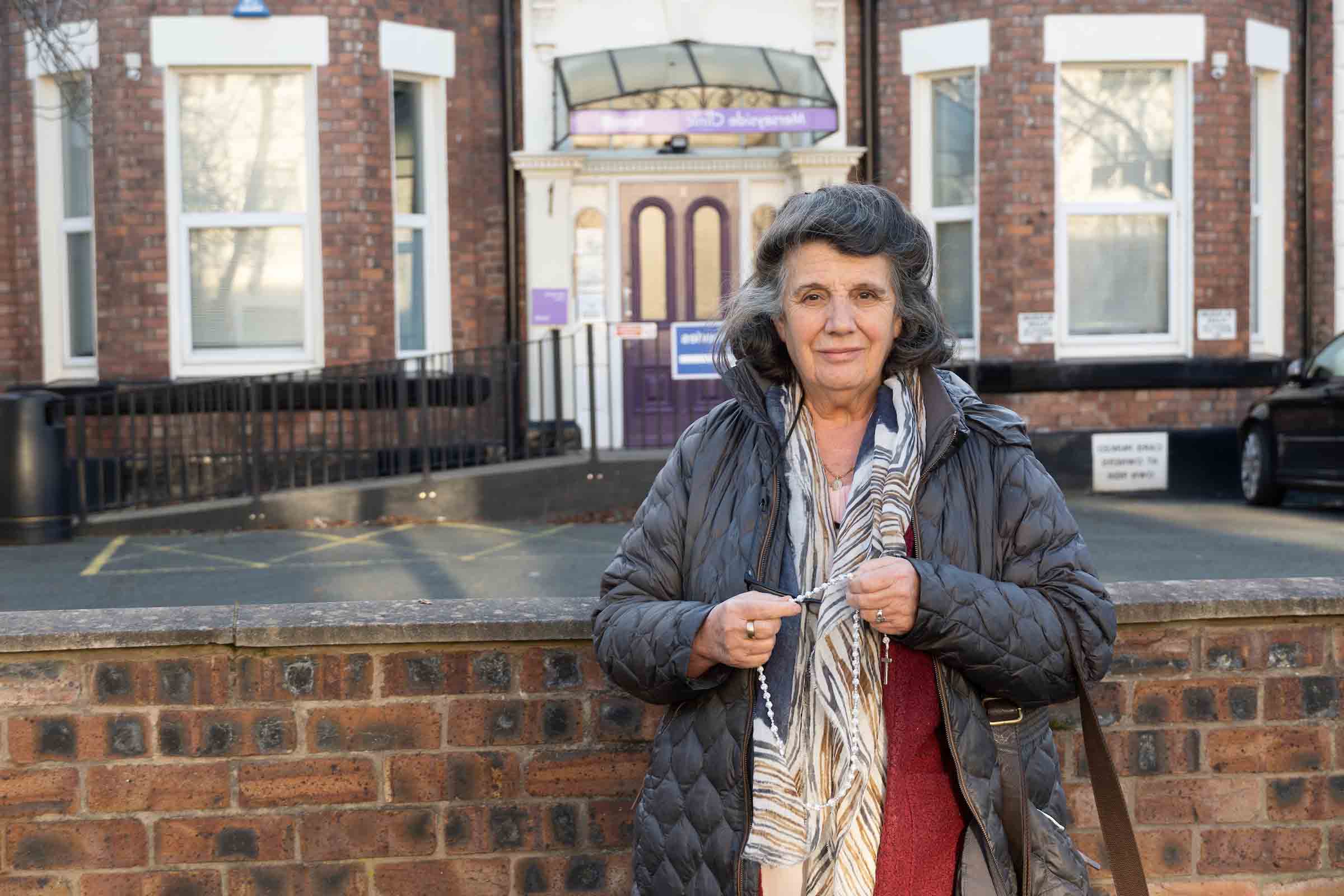
Severe court delays have prevented an elderly member of the UK public from being exonerated of charges she incurred while praying outdoors, in the vicinity of an abortion clinic, during a coronavirus lockdown.
Rosa Lalor received a penalty when on a prayer walk in 2021.
She pled “not guilty” but the case has not moved forward since then.
Rosa had walked and prayed almost every day during the 2021 lockdown as part of the daily exercise permitted by the regulations at the time. She walked near an abortion facility, as she prayed about the issue that was on her mind. She was masked, socially-distanced, alone. She prayed silently, wearing headphones.
When approached by a police officer on 24 February 2021, Lalor was questioned as to why she was outdoors. Lalor answered that she was “walking and praying”. The officer responded that Lalor wasn’t praying in a house of worship, and that she did not have a “reasonable excuse” to be outdoors at that time. The officer claimed that Lalor was there to “protest”. She was arrested, detained in a police car, charged and fined £200 under temporary coronavirus measures.
“The right to express faith in a public space, including silent prayer – is a fundamental right protected in both domestic and international law. Whether under coronavirus regulations or any other law, it is the duty of police to uphold, rather than erode, the rights and freedoms of women like Rosa. Such arrests subject otherwise law-abiding individuals to distressing and drawn-out criminal proceedings, leading to a chilling effect on freedom of expression and religion generally,” said Jeremiah Igunnubole, Legal Counsel for ADF UK, which is supporting Rosa’s case.
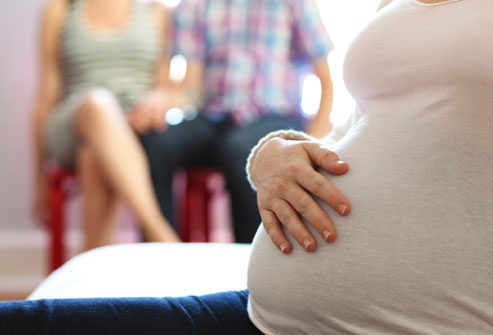
A Massachusetts couple has aborted a baby at 6 months and is suing their IVF clinic after discovering that the baby was not related to them. Similar mix-ups of embryos have occurred to Irish couples using commercial surrogacy services abroad, an Oireachtas Committee heard last week.
The unnamed couple in the US already had three children but wanted four. They consulted the Manhattan-based New York Fertility Clinic, went through the standard procedures and the woman became pregnant. However, at about 3 months, a test revealed that the developing embryo was not theirs. Doctors at the clinic said that they thought that the test was wrong, so the couple consulted an independent embryologist who confirmed after amniocentesis that the embryo was unrelated.
The couple then decided to abort the baby because they didn’t want a potential custody battle. Abortions are allowed in New York and Massachusetts up to 24 weeks, but they managed to have the abortion a few days before it would have become illegal.
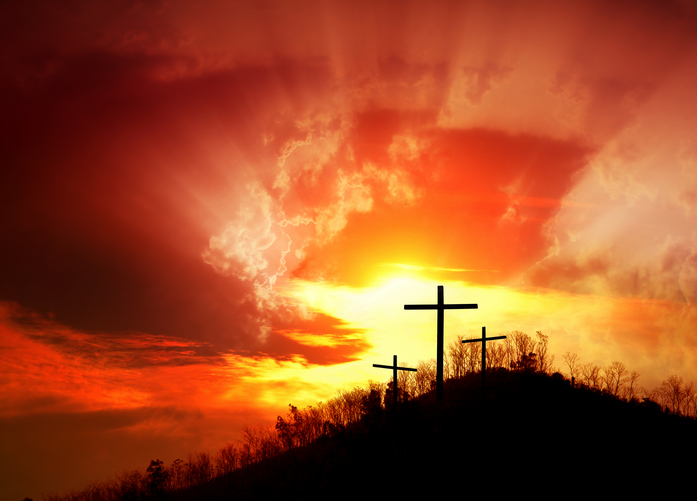
For the first time in three years the two Archbishops in Dublin will lead a ‘Walk of Witness’ through Dublin city centre on Good Friday it has been confirmed. The event has been described as a way to express solidarity with Ukrainian refugees and all those who have been “dispossessed and marginalised”.
Since 2019 it has not been possible for the ‘Walk’ to take place with Catholic Archbishop Dermot Farrell and Church of Ireland Archbishop Michael Jackson both attending an empty St Mary’s Pro–Cathedral on Good Friday last year.
The Walk of Witness begins in Christ Church Cathedral at 7pm next Friday with a short time of prayer and reflection. Then the Archbishops, carrying a cross, will lead participants down Dame Street to College Green and through Westmoreland St and O’Connell Street before turning down Talbot Street towards St Mary’s Pro–Cathedral where there will be a short service.