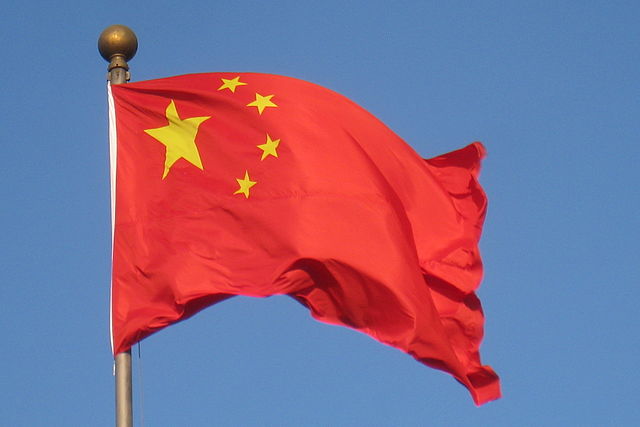
Censors in China have reportedly told a group of Christians that including the word “Christ” in an internet post breaks new government rules.
Internet firm WeChat, which is estimated to be used by more than eight-out-of-ten people in China, instructed the Early Rain Covenant Church to remove the word.
Andrew Boyd, from the pressure group Release International, has condemned the censorship. He says it shows how severely Christians will be affected by new legislation introduced by the Chinese government.
“WeChat, in responding to that, has pulled down a church’s reference to the word ‘Christ’.
“It considers it to be on a par with pornography, drug dealing and inciting rebellion in China”
The Early Rain Covenant Church had wanted to promote a reading list of Christian books.
Andrew Boyd says one of the books was ‘The Imitation of Christ’ by Thomas à Kempis, which was first published in Medieval Latin in the fifteenth century. But the WeChat censors objected to the word ‘Christ’.
“That’s now considered to be seditious, it appears, in China. That is the most extraordinary form of censorship and it just shows what is actually going on today in China.”
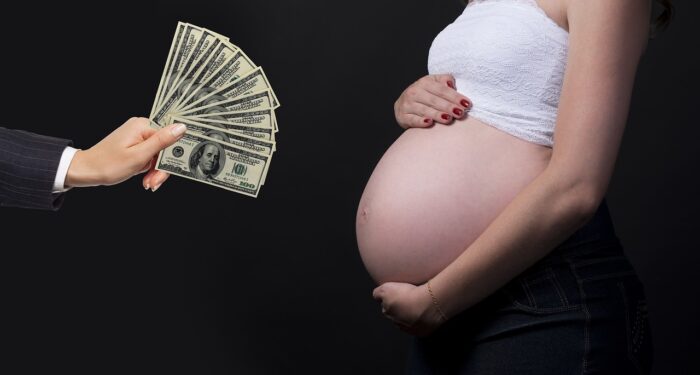
Spain’s High Court has ruled that commercial surrogacy constitutes “unacceptable exploitation” of both the child and the biological mother, according to El Pais. A special Oireachtas committee is currently considering how Ireland can facilitate commercial surrogacy overseas.
The case involved a Spanish woman who made a contract with a woman in the Mexican state of Tabasco in 2015 to bear a child with the help of a surrogacy agency.
The court declared that adoption was the better option for protecting “the best interests of the child”.
The judges said that surrogacy treated the baby and the surrogacy “as mere objects, not as persons endowed with the dignity of their condition as human beings and the fundamental rights inherent to that dignity,”
The court was disturbed by the wording of the surrogacy contract. The biological mother had to agree to pass the child immediately after delivery to the commissioning mother, to maintain a consistently nutritious diet, to have frequent ultrasounds, to refrain from sexual intercourse, not to get tattoos, body piercing or cosmetic surgery, not do to do vigorous exercise, and to waive her right to medical confidentiality.
The contract also left in the hands of the commissioning mother the final decision on the life of the surrogate mother if she were to have a life-threatening illness or injury, including brain death.
A parish priest who has turned over his parochial house to a Ukrainian family fleeing the war says being a Christian is “not just praying for something, it is about doing it”.
Fr Brian Griffin, of Castletown parish in Co Laois, opened the doors of the village’s historic Bianconi House – an old coaching inn – to two women and their four children seeking refuge in Ireland after escaping Poltava, near Kharkiv and Dnipro.
Dozens of church properties, private buildings and local authority premises across Ireland are being converted for use as emergency accommodation for Ukrainian refugees.
In the Catholic diocese of Kerry alone, seven presbyteries or parish houses are being offered as accommodation. A large youth centre in the centre of Killarney is already hosting refugees, while the John Mitchels GAA Sports Complex in Tralee has been placed on standby.
A number of amendments designed to curb the worst excesses of a bill setting up exclusion zones around facilities offering abortions were all defeated in the Seanad last week.
Independent Senator Sharon Keogan offered one change that would allow discussion of abortion in nearby facilities such as a coffee shop without thereby incurring a possible criminal prosecution. Her proposal was seconded by Independent NUI Senator Ronan Mullen.
The amendment failed.
Another proposal would have removed prayer and counselling from the list of prohibited actions the Bill proscribes. This too was rejected.
After the seven moderating amendments were rejected, Senator Keogan re-iterated her dismay at the extreme scope of the legislation as it is written. She told the Seanad her only issue was “to protect the right to assembly, the right to protest and our right to prayer in public places”.
She added: “As long as there is breath in me I will defend these rights”.
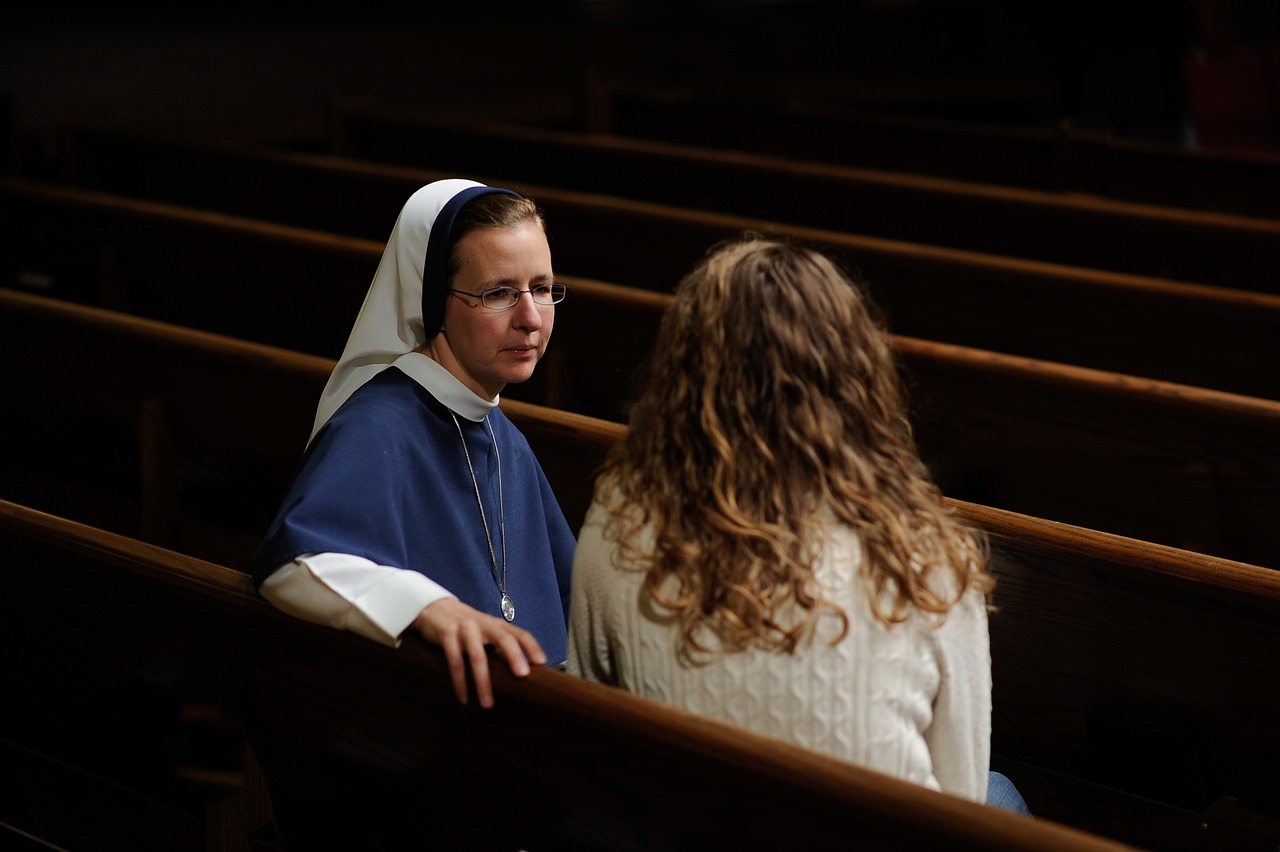
Thirty-six Catholic religious congregations in the State have offered 450 rooms in convents, retreat centres, former student accommodation, and houses for Ukrainian refugees.
The Association of Leaders of Missionaries and Religious of Ireland, which represents more than 120 religious congregations, is in talks with the Department of Children and the Irish Refugee Council about its offers.
“We also have had offers to teach English and many religious-run schools have already welcomed Ukrainian children,” said David Rose, secretary general of Amri.
Some congregations in the State are also fundraising or sending aid directly to communities on the Ukrainian border, he said: “We are all praying for peace.”
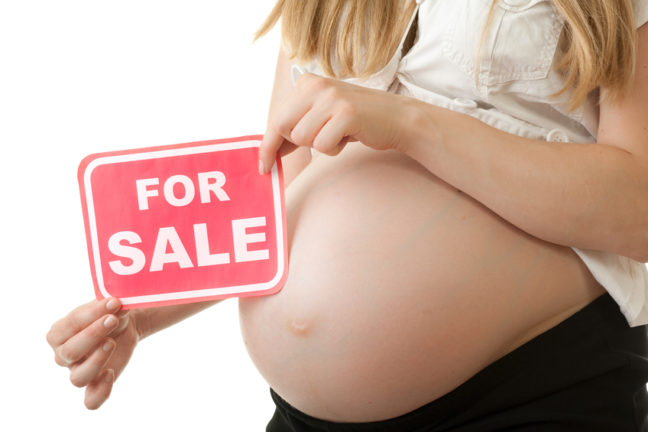
Commercial surrogacy in other countries has resulted in “exploitation” and children being given to parents with whom they had no genetic link, the Department of Justice has warned.
The practice is banned in most countries across the world. Ukraine, Belarus, Russia and a small number of American states allow it. Hundreds of couples from Ireland have flown to countries like Ukraine in order to have children borne for them by Ukrainian women.
Andrew Munro of the Department of Justice told an Oireachtas committee that there are concerns about commercial surrogacy.
“We have seen some very difficult examples in the past where, to be fair, intending parents were trying to do the right thing … a lot of people got exploited by bad actors, where the egg that was purportedly supplied by a purported donor was not the egg. The child given to the intending parents had no genetic link,” Mr Munro said.
He added that there had been cases where the surrogate mother was “spirited away over a border immediately after birth,” or a birth certificate provided by local authorities “named one of the intending fathers as a father despite having no genetic material.”
“And you can see how the surrogate mother and the child and the intending parents were exploited because of weak public administration in a country,” Mr Munro said.

Parental divorce had a larger impact than parental death on youth educational attainment, according to a new study published by Demographic Research.
Based on data drawn from 17 countries, the study shows that the negative effect of parental divorce on educational attainment appears to be stronger for the children of higher-educated parents. Commenting on the study, Dr Rakib Ehsan said that experiencing divorce may have a stronger impact on these children, as they have more to lose in terms of both financial and non-financial resources.
Meanwhile, lower-educated parents traditionally have relatively low “parental resources” to begin with, meaning the “drop-off” in resources resulting from divorce is less steep — the so-called “floor effect“.
In an article at Unherd, he concludes: “For decades that mainstream has consistently undervalued the negative impacts of divorce. The Demographic Research study confirms that parental divorce can be an incredibly traumatic experience for children. While it is admittedly sensitive territory, there now needs to be a frank national conversation on the risks of marital breakdown and the degree of public respect for marriage as a social institution with moral obligations.”
https://unherd.com/thepost/study-divorce-affects-children-more-than-death/
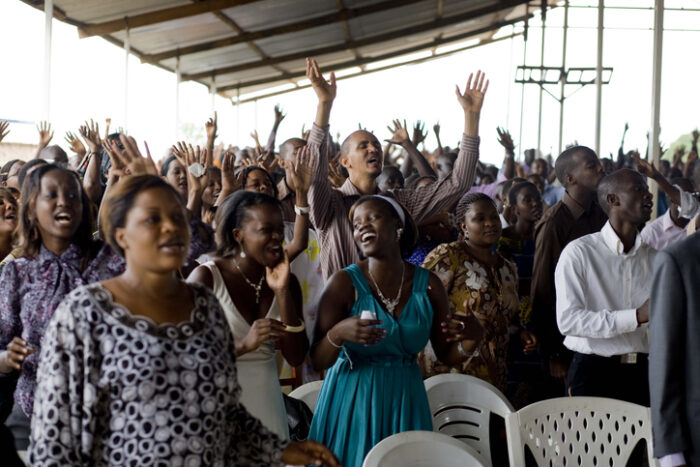
The Sahel region of Africa where Christians are being targeted by Islamist terror groups has become “the new epicentre of terrorism“, according to the latest Global Terrorism Index.
Release International, which supports persecuted Christians around the world, has identified that Sahel is an emerging hotspot in their recent Persecution Trends report.
Partners of Release have reported that Christians are being executed by armed gangs, who target their villages and stop cars and buses on the road.
A Release International partner whose identity needs to remain hidden, said: “Christians are killed on the spot.
“If you’re kidnapped and you’re a believer, there is no possibility you will survive.
“When the jihadists attack villages, they know where the Christians live and they search them out. They are looking for believers”.
In Burkina Faso, the terror groups destroy shops, schools and official buildings, but the focus of their destruction are often churches.
Chief executive of Release International, Paul Robinson said the conflict in the Sahel is “the forgotten jihad”.
“The religiously motivated violence that has been growing in Nigeria is now being replicated in a much wider region. It is time for the world to sit up and take notice.”
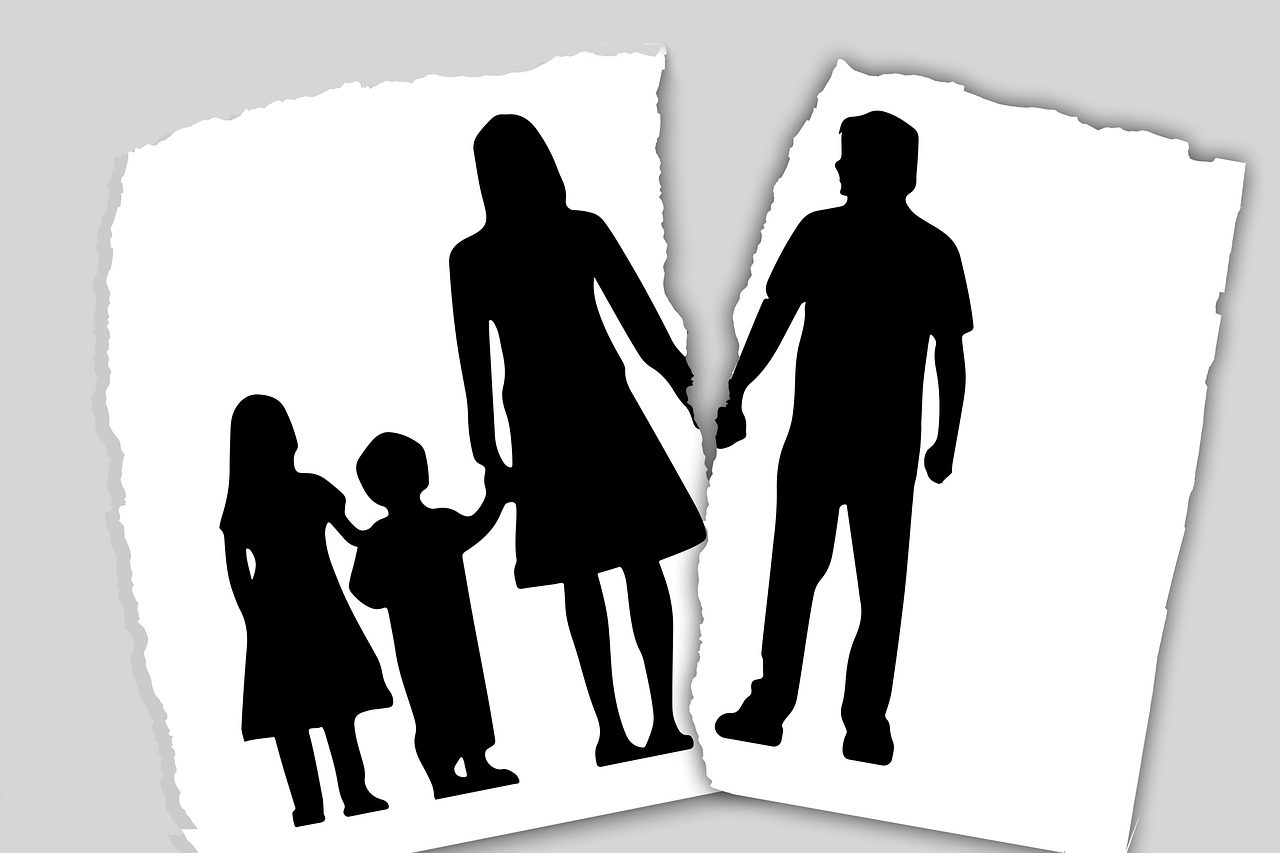
The new no-fault ‘quickie’ divorce law in England and Wales is a “huge mistake” which will lead to an increase in broken families, a pro-marriage group has warned.
Colin Hart, Chairman of Coalition for Marriage (C4M), said: “We are extremely disappointed that the Government has ignored all the data and strong arguments against speeding up the process, under the delusion that no-fault divorce will somehow prevent hurt feelings and bad break ups. They will not.”
The Divorce, Dissolution and Separation Act 2020 came into effect on 6 April. Under the new law, couples can divorce in six months without having to give a reason and a spouse cannot contest the decision meaning they can be divorced quickly against their will.
Previously, anyone wanting to divorce their spouse had to prove their marriage had irretrievably broken down through either adultery, unreasonable behaviour, desertion, or separation for two years with their spouse’s consent, or five years without.
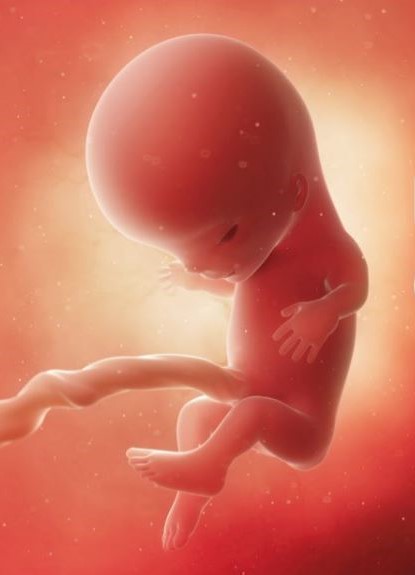
Five of those babies that appear to be of late-term gestation are now in the possession of Washington, D.C. Metro Police, which retrieved the remains Friday from members of Progressive Anti-Abortion Uprising (PAAU).
Along with other pro-life groups, PAAU has called on the D.C. Medical Examiner to autopsy the babies’ remains to determine their manner of death in order to assess whether they died after being born, in possible violation of federal laws.
Terrisa Bukovinac, PAAU’s founder, described the processing of opening the box and examining its contents as a tearful, “completely soul-crushing experience.” She said the box was full of small turquoise-colored plastic containers, each with a small, first-trimester fetus in it, 110 in total.
There was also an inner plastic bag with five larger plastic containers. In the largest one, the aborted baby, whom the activists named Christopher X, was “whole” and appeared to be large enough to be born alive, in the women’s view.
“We often carry around a fetal model that is 22 weeks … this baby was huge,” Bukovinac recalled.