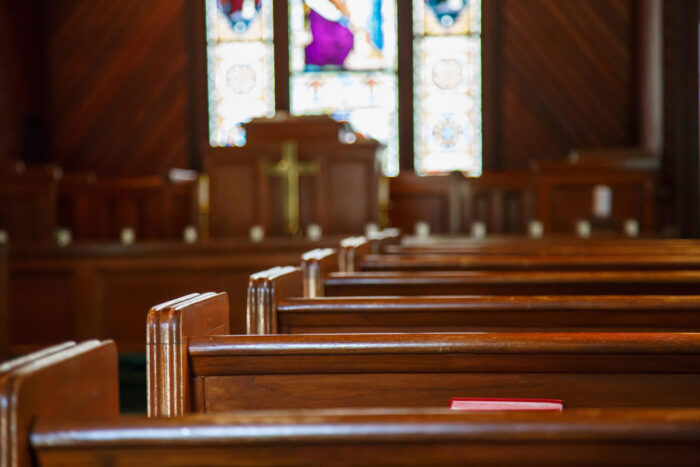
The Government were advised by NPHET to allow public worship occur for only two weeks over the Christmas period. Instead, public worship began again today under an adjusted level 3.
In a letter to the Minister for Health on November 26th, NPHET wrote: “While recognising the inherent right associated with indoor gatherings, potential congregation outside of services and the potential heightened vulnerability of those attending, the NPHET advises that religious services should be permitted for the two week period between the 21st of December and 3rd January, with strict protective measures in place”.
The Government’s advisory body added that the guidance should be reviewed “to ensure services are managed in as safe a manner as possible, with particular attention given to the avoidance of congregation before and after events and choir/carol singing”.
The Government ultimately rejected the advice and allowed religious worship to operate according to level 2 restrictions.
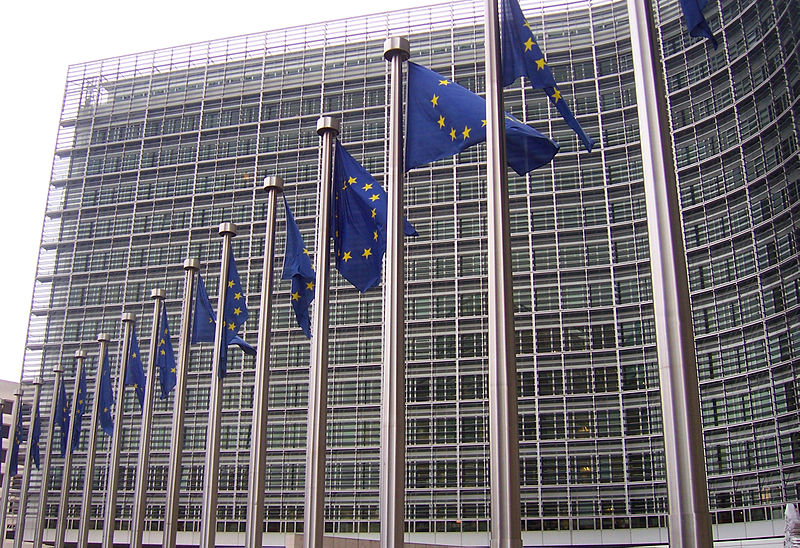
The EU has left the position of Special Envoy for freedom of religion in limbo despite Government restrictions on religious expression reaching their highest levels ever.
A senior Counsel for the legal advocacy firm, ADF International, said religious persecution is on the rise with many denied their right to freely live out their faith.
“For some this means social segregation while for others this can mean arbitrary imprisonment, torture, and even death. For example, during the COVID-19 crisis, religious minorities in some regions have been denied basic aid and food simply because of their faith”.
Adina Portaru said “We are encouraged by the decision to reappoint the Special Envoy for the promotion of freedom of religion or belief outside the EU, but it sends the message that religious freedom is not a priority while it remains unfilled. The victims on the ground are in dire need of a decisive response from the EU. With its Special Envoy, the EU can lead in the international response, and that leadership is needed now more than ever”.
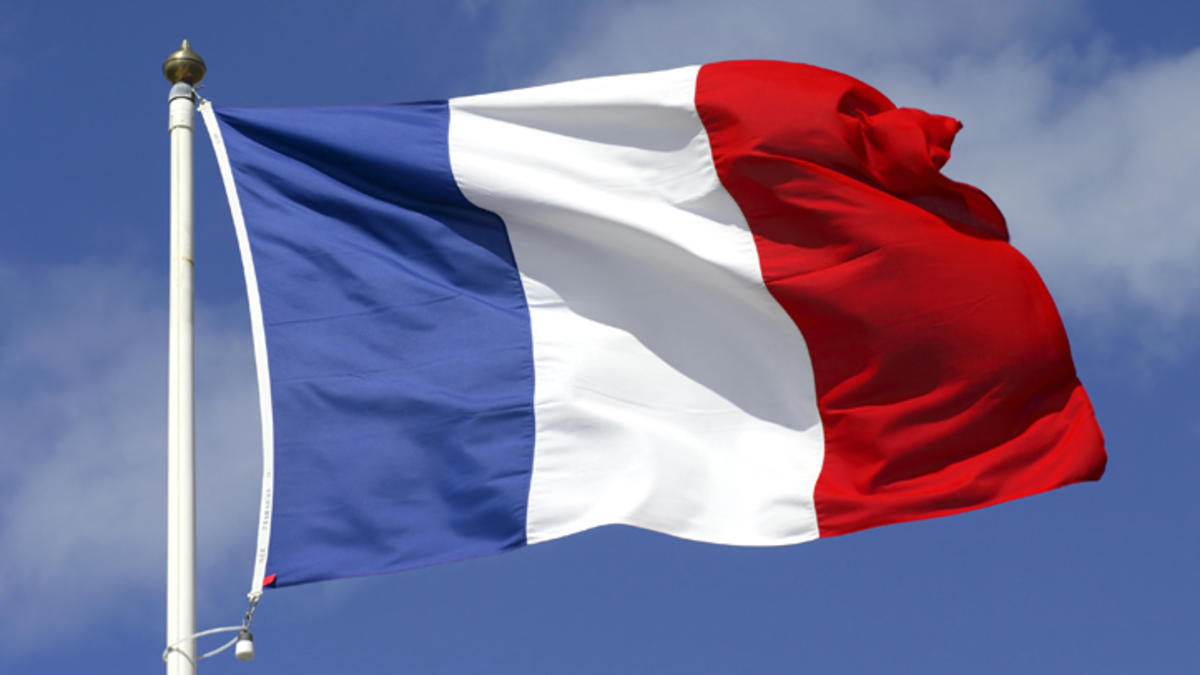
The French Council of State ruled last Sunday that a proposed 30-person limit on Masses and other forms of public worship is a “disproportionate” government measure and must be modified by Wednesday.
The country’s Catholic bishops welcomed the court’s decision saying in a statement that “reason has been recognised.”
The bishops’ conference had submitted the urgent legal appeal with the administrative court two days prior, declaring that they had “a duty to ensure freedom of worship in our country.”
With its ruling, France’s highest administrative court gave Prime Minister Jean Castex three days to propose an alternative protocol to prevent the spread of the coronavirus at places of worship.
The Prime Minister met with a delegation of French bishops Sunday night to discuss a new gauge for the resumption of public Masses after France’s strict second lockdown.
The bishops had originally proposed a protocol of reopening public liturgies at a third of each church’s capacity, with increased social distancing.
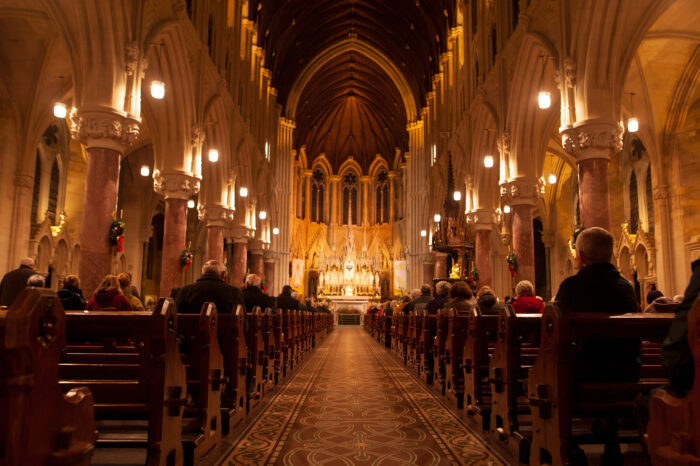
Dublin’s two Archbishops have welcomed the lifting of Government pandemic restrictions that will see public worship resume in the Republic from tomorrow, with the same restriction as under level 2.
However, in Armagh, Catholic Primate Archbishop Eamon Martin noted that in Northern Ireland, public worship has once more been suspended for two weeks even while, “south of the border, congregations can return to Mass and the Sacraments.” Public worship in the South ended again on October 7, but in certain counties such as Dublin and Donegal the previous month.
Church of Ireland Archbishop of Dublin Michael Jackson said the reopening of churches for public worship on Tuesday, “while modest in comparison with what we have been accustomed to doing, will gladden the hearts of members of my own diocese particularly at this time of year.”
Gathering, he said, was “important in how people of faith function. This relates both to our self–understanding and to the positive contributions we make to civil society.”
The Irish Church Together group, which represents the more evangelical Catholic, Protestant, Pentecostal and New churches in Ireland, thanked Taoiseach Micheál Martin for the return to public worship. “Thank you for your detailed consideration of the case we made for public worship to be allowed at Level 3.”
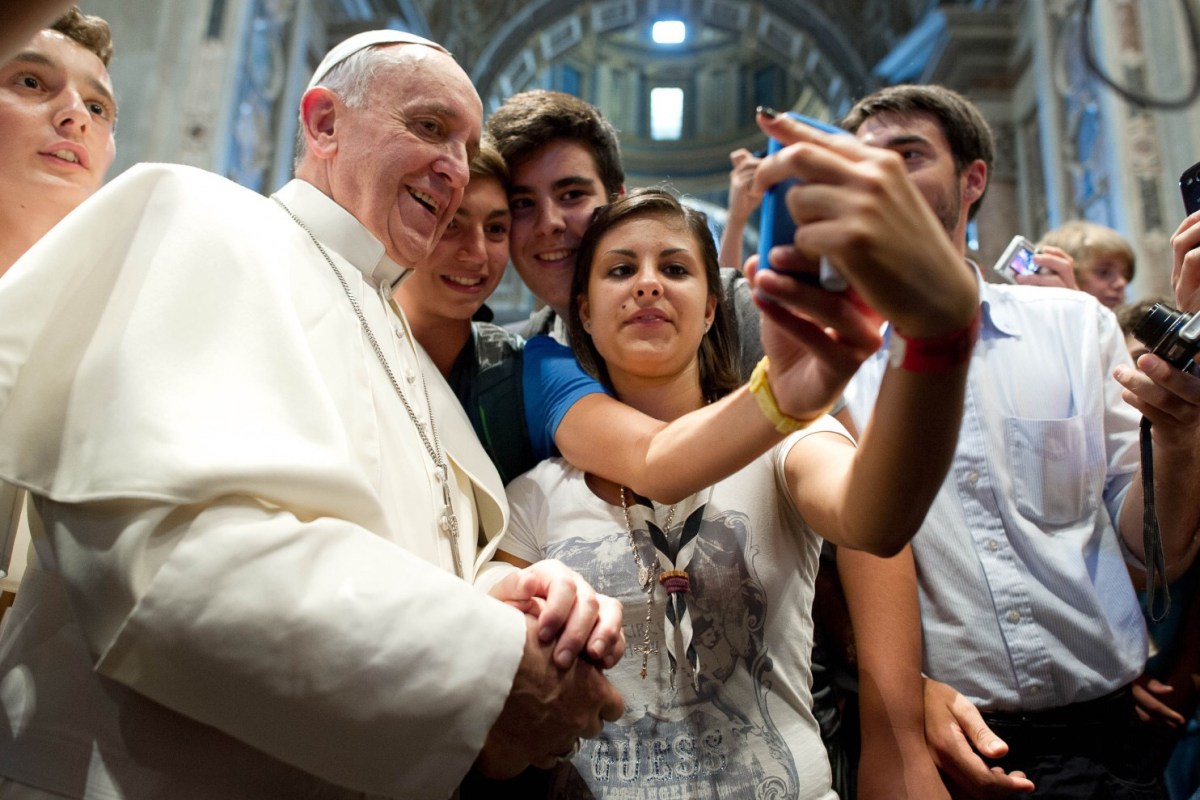
Pope Francis has written a note to women in his homeland who requested his help in opposing a bill to liberalise the country’s abortion law.
Eight women signed a letter to Pope Francis expressing fear that the abortion bill targets poor women and asking him “to help us by making our voice heard.”
The Argentine daily La Nacion published the full letter, together with the pope’s response, which was sent through the national deputy for the City of Buenos Aires, Victoria Morales Gorleri.
In the handwritten note, Pope Francis said that abortion “is not a primarily religious issue but one of human ethics, prior to any religious confession.”
“Is it fair to eliminate a human life to solve a problem? Is it fair to hire a hitman to solve a problem?” he said.
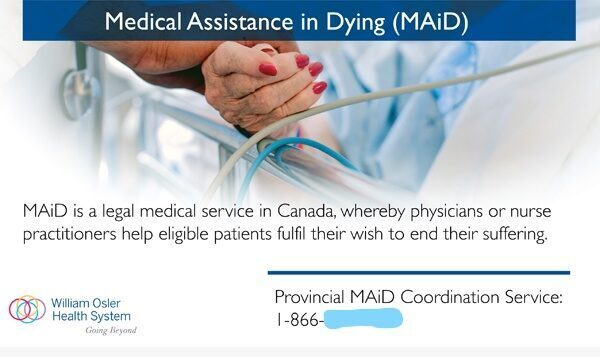
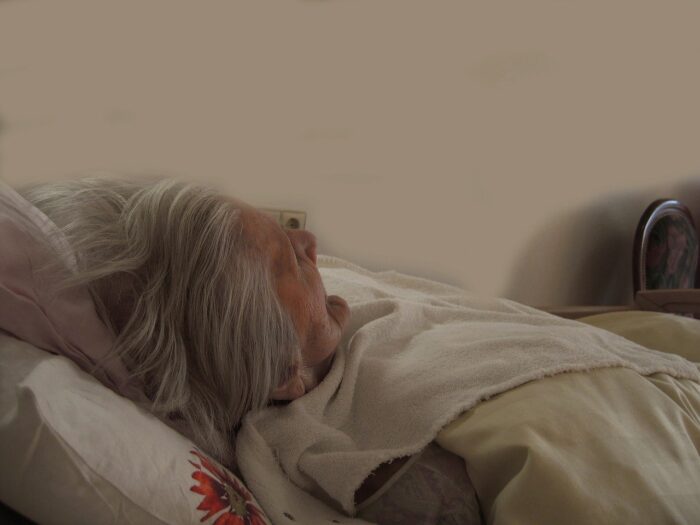
The family of a 90 year old Canadian woman says she chose a ‘medically-assisted death’ (MAID) rather than face another lockdown during which people could not visit her in her nursing home.
In Canada, you do not need to have a fatal or terminal condition to apply for assisted suicide.
Some in the field of assisted suicide report a growing number of elderly people inquiring about it, and that lockdowns are accelerating the timelines among seniors already considering assisted suicide.