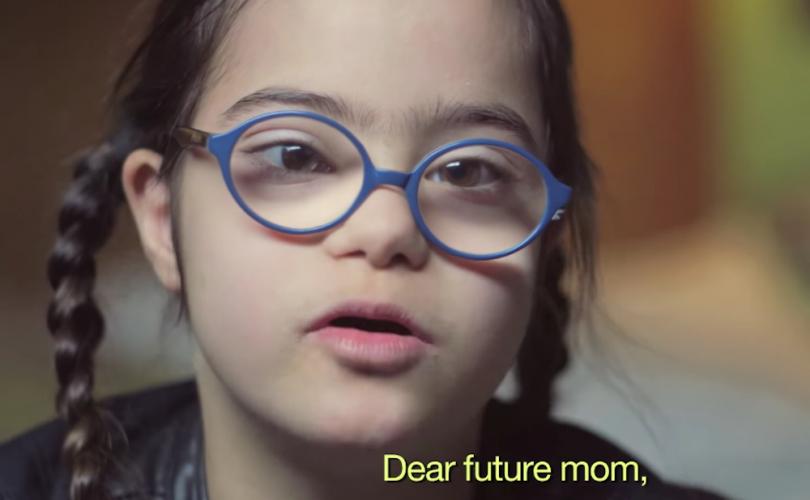
An Irish advocacy group for people with Down syndrome is urging the producers of the UK soap Emmerdale to cancel a storyline featuring a couple ending their pregnancy after being told their unborn child has the chromosomal condition.
Down Syndrome Ireland says the storyline will be challenging and distressing for many people with the condition and for their families.
They add that the difficult emotions and choices that arise when considering abortion could have been explored without mentioning the child’s diagnosis.
“We would like to remind TV producers that people with Down syndrome watch TV programmes, listen to the news and read media articles,” the group said.
“This storyline will be challenging and distressing for many people with Down syndrome and their families, as well as for expectant parents”.
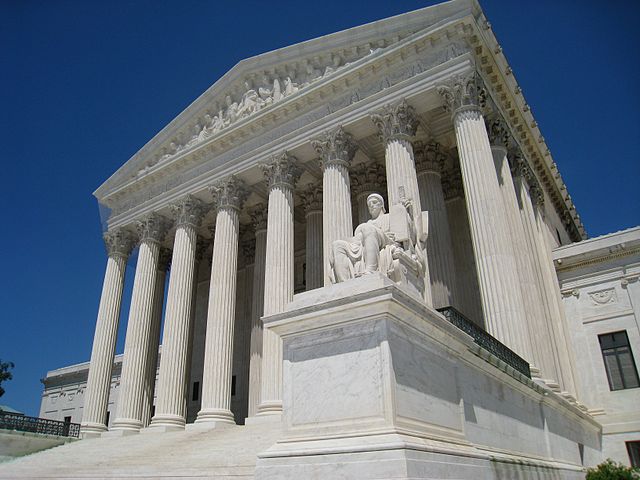
The most stringent coronavirus restrictions on public worship in New York are a violation of religious freedom, the US Supreme Court said Wednesday night.
The state had forbade the attendance of more than 10 people at religious services in areas designated “red zones”, and 25 people in “orange zones.”
Justice Neil Gorsuch said: “It is time — past time — to make plain that, while the pandemic poses many grave challenges, there is no world in which the Constitution tolerates color-coded executive edicts that reopen liquor stores and bike shops but shutter churches, synagogues and mosques”.
While the numeric limits are suspended, the less onerous limit of keeping houses of worship at 50% capacity remains in place.
Welcoming the ruling, the Bishop of Brooklyn, whose diocese was a plaintiff in the suit, said that religious worship should be considered an essential service during the coronavirus pandemic.
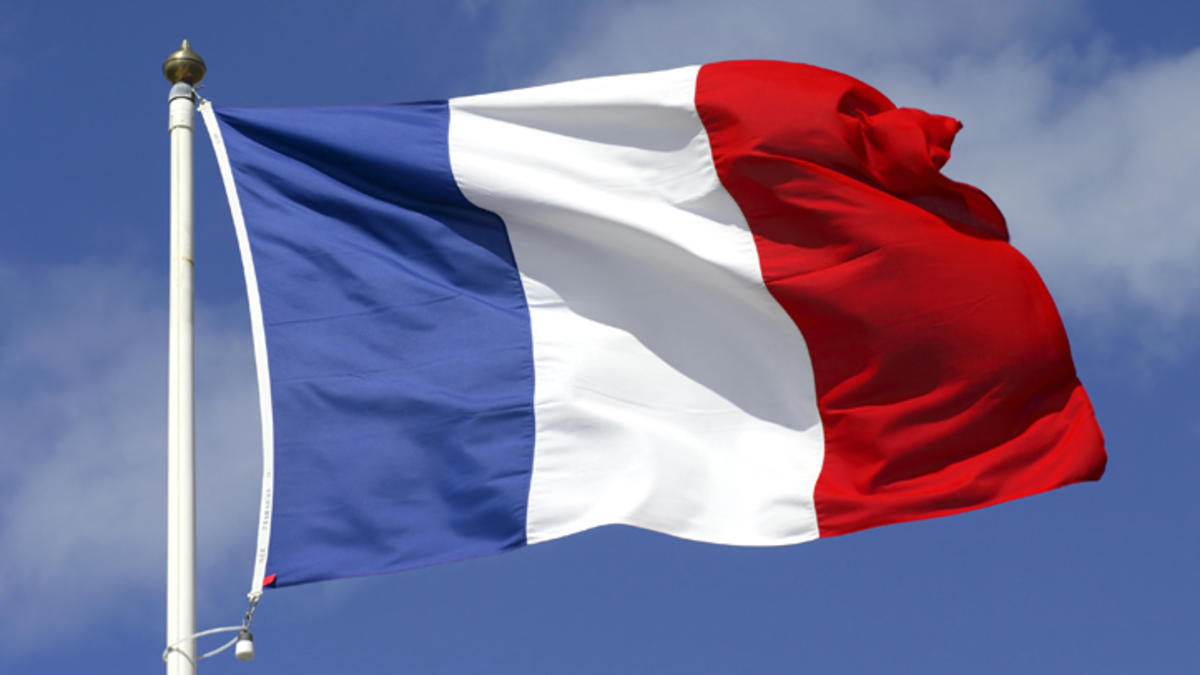
The French bishops are “both disappointed and surprised” at President Emmanuel Macron’s announcement that public worship would be limited to 30 people per church.
“This announcement is not at all in line with the discussions that have taken place in recent weeks with the ministers concerned,” a statement said.
“Indeed, this unrealistic and inapplicable measure is completely disrespectful of the reality of the religious practice of Catholics.”
The French bishops had originally proposed a protocol of reopening public liturgies at a third of each church’s capacity, with increased social distancing.
Following Macron’s announcement, some bishops took to social media to express their incredulity.
Bishop François Touvet of Châlons wrote on Twitter: “30 people in my cathedral is ridiculous and absurd. It is 96 m long and 25 m wide (40m transept) by 30 m high. Total = 2500 m²: with 4 m² per person, we can fit 600 people! You have to learn to count!”

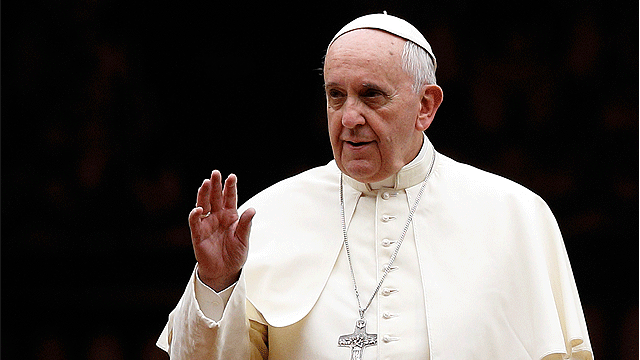
Pope Francis has sparked the ire of Chinese authorities after he included the Muslim minority Uighurs among examples of groups persecuted for their faith for the first time. It is estimated that China has 1 million Uighur men held in concentration camps.
In a new book ‘Let Us Dream’, Francis writes: “I think often of persecuted peoples: the Rohingya, the poor Uighurs, the Yazidi — what ISIS did to them was truly cruel — or Christians in Egypt and Pakistan killed by bombs that went off while they prayed in church”.
Francis has declined to call out China for its crackdown on religious minorities, including Catholics, much to the dismay of many church leaders and human rights groups. The Vatican last month renewed its controversial agreement with Beijing on nominating Catholic bishops, and Francis has been careful to not say or do anything to offend the Chinese government on the subject.
China and the Vatican have had no formal relations since the Communist Party cut ties and arrested Catholic clerics soon after seizing power in 1949 but recently renewed an agreement that gives Beijing a say over the appointment of bishops.
Foreign ministry spokesperson Zhao Lijian said Francis’ remarks had “no factual basis at all.”
“People of all ethnic groups enjoy the full rights of survival, development, and freedom of religious belief,” Zhao said at a daily briefing.
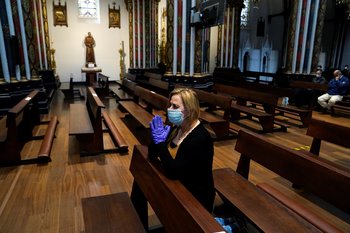
Churches in Northern Ireland are to be allowed to stay open for individual prayer during the two-week coronavirus lockdown.
The editor of the Irish Catholic, Michael Kelly said the concession is welcome, but the ban on public worship should not be happening and the Executive “should never have caused such distress and anxiety by creating doubt about whether churches could remain open for private prayer or not.”
Stormont ministers met on Tuesday morning and agreed the clarification to the regulations.
It followed calls by Church leaders across the North for the change.
The Executive had initially agreed that places of worship should close for all but weddings, civil partnerships and funerals from Friday until 11 December.
They will also be allowed to carry out drive-in services.
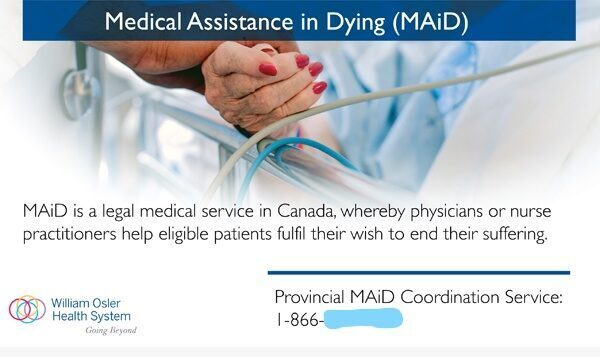
A bill on palliative care in Ontario, Canada, has been called a good first step, but Catholic Church leaders and medical experts insist more is needed.
While hospitals administering assisted suicide (MAiD, Medical Assistance in Dying) are fully funded, hospices have to raise 50 per cent of their operating funds in bake sales and fundraising drives, said Canadian Hospice and Palliative Care Association executive director Sharon Baxter.
Their demands include full funding, concrete plans for minimum standards of care and political will to see that all Ontarians have a realistic chance to choose palliative care well before they’re staring death in the face.
“The bill is good. It’s a good start,” said Toronto’s archbishop, Cardinal Thomas Collins.
But, without funding commitments and a pipeline in place to ensure qualified palliative-care specialists among physicians, social workers and nurses, a framework alone won’t actually deliver more palliative care, Collins said.
He also decried the lack of protections in law for conscientious objectors.
“I am really concerned that people — nurses, doctors, medical students as they’re going through their medical training — are very often put under considerable pressure,” the cardinal said.