
Labour Alan Kelly has pleaded with Taoiseach Leo Varadkar to increase the number of people allowed to attend funerals from 10 to 30.
“We have to do something,” Mr Kelly said because people were suffering.
Mr Kelly said the rules were too rigid and should be relaxed to allow more people attend because many families were larger than the numbers allowed to attend.
He pointed out that everybody knew the social distancing rules and these could still be observed while allowing more to attend ceremonies.
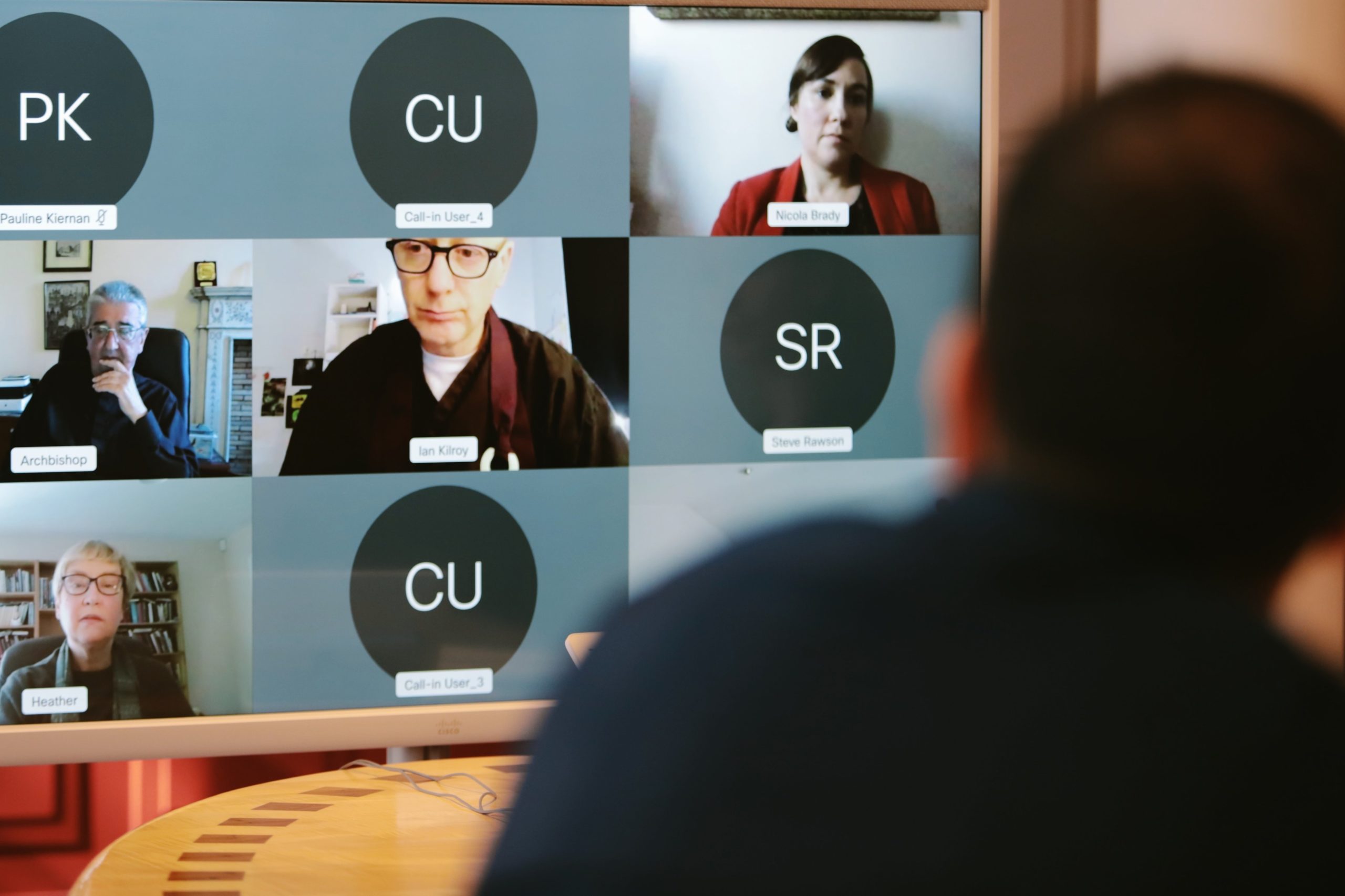
Mr Varadkar said the Government had begun discussions with church leaders about changing the rules for the number of people attending funerals.
He acknowledged that it was a really difficult issue for people and said he had spoken to people who had to make the decision about who could attend and excluding the 11th and more people.
The size of a church building would have an impact on who could attend, he said and that a greater number of mourners could be accommodated in larger places or worship.
The churches had also asked about allowing baptisms and small weddings and these were part of the discussions, he added.
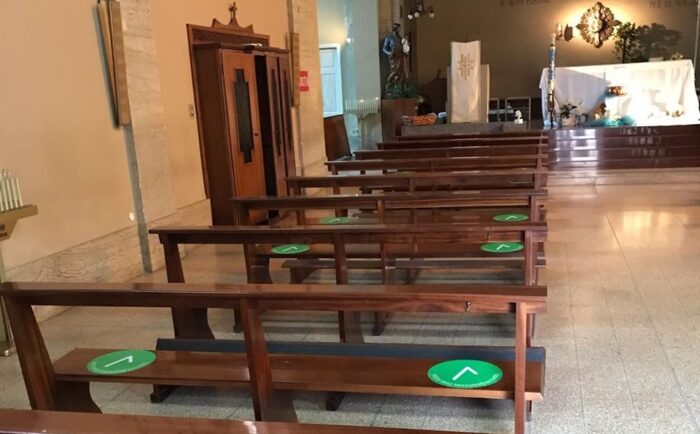
The parishioners of one Dublin church have been quietly attending daily mass, contrary to lockdown guidelines, as the church has not locked its doors to the public while mass is being celebrated.
The Church of the Guardian Angels in Blackrock, Co Dublin, is one of many churches in Dublin that have open for private prayer in accord with both Government and Dublin diocesan guidelines.
However, extra.ie reported that people have been showing up at 10am, as the priests of the parish celebrate mass, and have remained to pray and take communion. They reported that 39 people were present during mass on Wednesday.
A spokesperson for the church said that there is usually only 10 people in attendance and it was the first day so many people had been in the church.
Former PP, Fr Tony Gaughan said the church being open helps people during these times and said that the church is sticking to government guidelines on social distancing.
“People are anxious to get back to normal. I see no problem once people are spaced out when you have a huge area rather than a small little church”.
“Funerals are very sad at the moment. Once the people are spaced out I don’t have any problem with them being there”.
“The Blessed Sacrament is exposed every morning from after the 10 o’clock mass and they’re coming in in ones and twos throughout the day. It’s nice for them. The parish priest has the whole place washed each evening.”
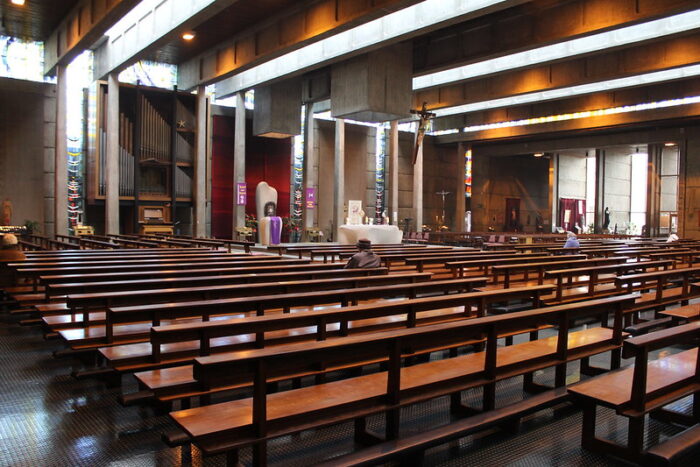
Minority faith groups have joined calls for places of worship to be allowed reopen for public services sooner than the Government’s July 20th timetable, a date that would make the country one of the last in Europe to do so.
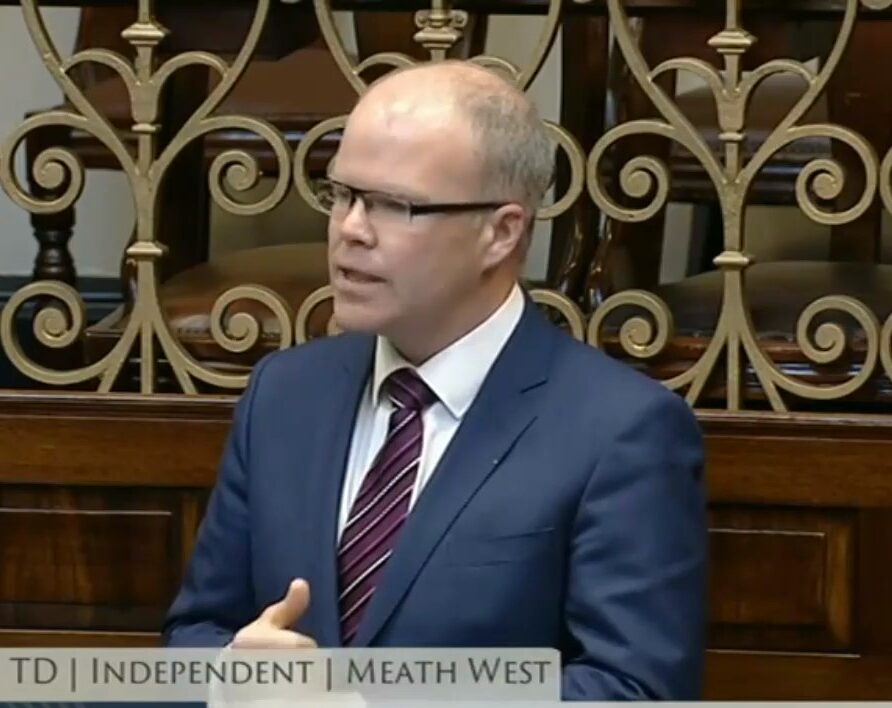
Aontú leader Deputy Peadar Tóibín met with members of minority faiths yesterday morning. He said many immigrants who come to this country take great solace in joining their local church, mosque or synagogue where they find community and friendship.
Deputy Tóibín said if the Taoiseach can gather with friends in the Phoneix Park, there is no logic in deferring the phased re-opening of places of worship until July. “The Churches that I have spoken to have outlined their ideas and draft plans to me which will allow them socially distance for the duration of their services. This includes religious ceremonies in car parks or even in cars if raining with the service transmitted over radio”.
“We think it is very important that our immigrant community are protected at this time and allowed to gather in a physically distant manner to prevent them from succumbing to isolation, homesickness and loneliness”.
He also called for an easing of the rules around funerals in large graveyards.
“Supporting friends and families as they bring their loved ones on their final journey is an essential part of life throughout Ireland”.
“We are calling again on the government to facilitate funerals and religious practice to take place in a socially distant manner. I am calling on An Taoiseach to listen to the concerns of faith groups and hear them out in the detailed ideas and plans they have drafted for how they could reopen their places of worship while still adhering to public health measures”, concluded the deputy.
Churches in California can begin holding services again at a limited capacity, the state announced on Monday.
In a u-turn from a previous plan, the California health department ruled that churches in the state can begin reopening along with in-store retail shopping.
Under the new 21-day policy, houses of worship can hold religious services at up to 25% capacity with a maximum of 100 attendees.
Churches have to implement virus prevention plans, recommend face coverings, set social distancing guidance, and “consider eliminating singing and group recitations.” Any singing or recitations “should be conducted outside,” the department said.
The Thomas More Society had filed a lawsuit against the state on behalf of a Pentecostal church in San Diego, saying that the state had violated First Amendment freedoms by forcing churches to remain closed while allowing some businesses to reopen during the pandemic. The church had asked the U.S. Supreme Court to intervene in its case.
Federal guidance for the resumption of in-person religious services was published on Friday by the U.S. Centers for Disease Control (CDC), after President Trump called on state governors to allow churches to reopen “right now.”
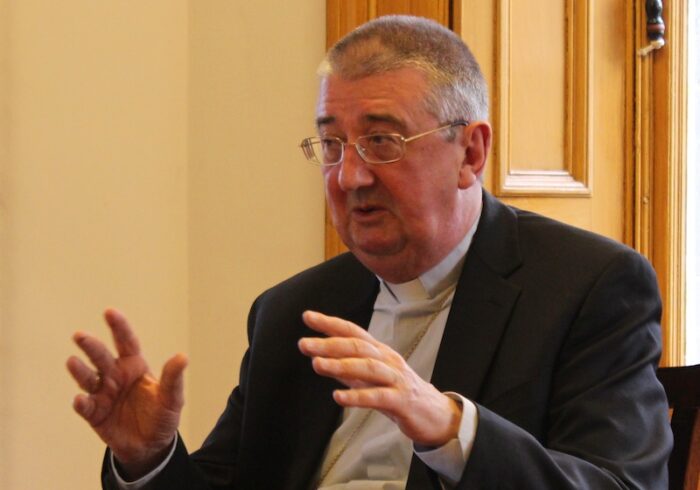
Ireland’s Catholic bishops are speeding up preparations to re-open churches for public Masses in case this is allowed to happen sooner than the July 20th date set in the current Government roadmap.
Archbishop of Dublin Diarmuid Martin said on Monday that the Government would be constantly evaluating progress in reopening society and “it is important that we as Church are ready to respond to any change in the current proposed timescale”.
He said all over Ireland, parishes have been working on plans to open their Churches as soon as it is safe to do so.
“The Irish Bishops pooled suggestions from each diocese and drew up a first Draft Framework document. The Standing Committee of the Conference examined this Framework today and has now moved towards producing a shorter and sharper document, with checklists to enable parishes to monitor where they are on the path forward. That should be available in the next days,” he added.
The Archbishop of Armagh, Eamon Martin also released a statement asking that all “work closely with your priests so that your parish stands ready to respond quickly when the public health authorities tell us it is safe to begin gathering together again for Mass inside our churches”.
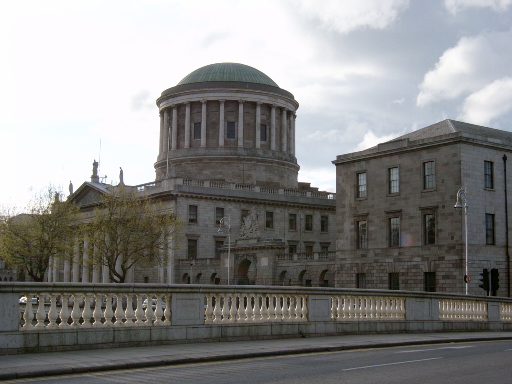
A mother is seeking High Court orders which would effectively result in the death of her daughter, 28, who has been in a vegetative state for almost 10 years.
High Court president Mr Justice Peter Kelly said on Tuesday, if the mother proceeded, that it raised “fundamental” medical, legal and ethical issues in wardship proceedings concerning the daughter.
The mother, and the daughter’s stepfather, had told the HSE they believed the treatment being provided to her daughter at a specialist unit should end.
Because the treatment includes nutrition and hydration, provided by peg tube, that would bring about the early death of the daughter, the judge said.
The mother and stepfather sought to be appointed as the committee to represent the woman’s interests in the wardship proceedings. The Judge said this would create a “very unusual” situation because the committee’s role is to seek what is in the best interests of the ward, whereas they would be seeking to bring about her early death. He opted instead to appoint Patricia Hickey, general solicitor for wards of court.
The judge said the mother may proceed with an application to end her daughter’s current treatment but added that it was not clear the stepfather has any rights in relation to such an application.
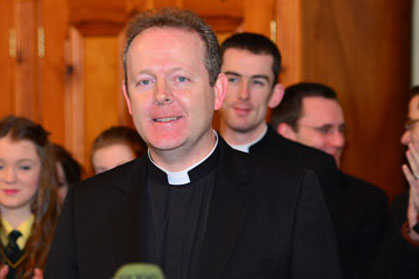
The Archbishop of Armagh supported the Religious Sisters of Charity’s request to surrender ownership of St Vincent’s Healthcare Group to enable the building of the national maternity hospital (NMH), but he would publicly oppose abortions being performed there.
Eamon Martin said in a letter in December to Jude Thaddeus Okolo, the papal nuncio, that work in a maternity hospital should, by definition, be “pro-life”.
“The archbishop [said] there is a serious need for a proper NMH in order to be able to provide high-quality maternity healthcare for mothers and their babies in contemporary Ireland,” said Martin’s spokesman in a statement responding to questions from The Sunday Times.
“He said the carrying out of abortions or morally illicit medical procedures at the NMH would be repugnant” to Catholic teaching and “regardless of the eventual outcome of the proposed transfer, the church will remain clear in its public statements that there is no place in a maternity hospital for abortion”.
Additionally, Martin told Okolo that an accusation made by some people “that the sisters were engaged in formal or proximate co-operation with abortion” was unsustainable as their intention to transfer their ownership predated “the regrettable removal of the eighth amendment [which] sadly had given way to a much more liberal abortion regime in this country”.
It is estimated that 10,000 extra abortions have taken place since the procedure was legalised over a year ago.
That’s according to the leader of Aontú, Peader Tóibín, extrapolating from figures provided by the Southern Taskgroup on Abortion and Reproductive Topics (START).
Speaking on the 2nd anniversary of the deletion of the Right to Life from the Constitution, Aontú Leader Peadar Tóibín TD said in every country where abortion is legalised, the rates of abortion increase radically and the evidence so far indicates that this has happened in Ireland too. “If the abortion providers’ representative group are correct, then 10,450 extra lives have been lost in the 14 months that have passed since the abortion service was created. This is a significant loss of life, multiples of what’s been lost to Covid”.
He said the vast majority of women opt for abortions for “socio-economic reasons”, with many feeling they have “no choice” because of the economic situation they are in.
Nonetheless, “We have seen absolutely no evidence in the 2 years since the referendum that the government have focused on supporting mothers financially to ensure that they actually have a choice when it comes to the birth of their children”.
The Aontú leader also revealed that during the course of government formation talks which Aontú withdrew from last week, the topic of the rights of unborn children was met with little enthusiasm by Fine Gael and Fianna Fáil.
“It was abundantly clear to us that neither political party had any appetite for any change in the law to make it even marginally more humane. And indeed, we received no assurances that either Fianna Fáil or Fine Gael would prevent further deregulation of the human Right to Life when the law comes up for review next year”.
The board of St Vincent’s Healthcare Group (SVHG) has said no “vested interest” will veto procedures at the new national maternity hospital (NMH), that is to be built on the grounds of St Vincent’s, Elm Park.
This means all medical procedures permitted in Irish law, including elective abortions, will be provided for.
St Vincent’s was founded by the Sisters of Charity in 1834.
It is not clear whether the values underpinning St Vincents—human dignity, compassion, justice, quality and advocacy—or the Christian values that inspired the work of Sr Mary Aikenhead, will have any bearing on what procedures are carried out.
The SVHG healthcare group comprises St Vincent’s University Hospital and St Vincent’s Private Hospital at Elm Park in Dublin, as well as St Michael’s hospital, Dún Laoghaire. All are owned by the Sisters of Charity, who have had no role at the hospital group since 2017 when their representatives resigned from its board.
Earlier this month it was announced that the Vatican had approved a decision by the Sisters “to transfer the entire issued share capital of St Vincent’s Healthcare Group to St Vincent’s Holdings for the nominal sum of €1”.
Dr Peter Boylan, life governor and former master at the National Maternity Hospital, asked whether the Sisters will transfer their property, assets and services into a Vatican-approved entity known as a public juridic person of pontifical right. This, he said, would oblige them to submit an annual ‘stewardship accountability report’ to the Vatican. “It is hard to see how such a report could include the numbers of elective sterilisations, abortions and artificial fertilisation procedures carried out in the hospital in the year, and continue to be approved by the Vatican,” he added.
In the US state of Minnesota, Catholic and Lutheran leaders have told the Governor they are reopening their churches for services ahead of his published schedule.
Governor Tim Walz had announced that shopping malls, beauty salons, tattoo parlours, & casinos could open, but churches must restrict services to ten people.
The Catholic bishops and Lutheran Synod, however, now say they will recommence worship services on Tuesday while instituting rigorous social distancing and hygiene protocols.
Their first Sunday services will then be held on Pentecost Sunday, May 31st.
In Ireland, public worship including Mass will not return until July 20th.